.jpg&width=800)





Red Net-winged Beetle
Dictyoptera simplicipes
The Red Net-winged Beetle is a bright red insect with beautiful black net-like wings. They are often found resting on leaves and flowers, making them a lovely sight in nature.
Habitat: Forests
The Red Net-winged Beetle has a distinct, flattened body with bright orange-red wing covers that feature a raised, net-like pattern. Its head, antennae, and legs are typically black, creating a striking contrast that warns predators.
Category
InsectsRarity
Common
Danger
1/5 · Very low
Snaps
Be the first to snap!
Adult beetles can sometimes be found visiting sap flows on trees, not just flowers.
Some species of Net-winged Beetles can glow in the dark as larvae, like tiny forest lanterns!
The bright red color you see on their wings actually comes from special pigment chemicals, not just simple dye.
Their 'net-wings' are not just pretty; they help make their wing covers strong and rigid for flight.
Red Net-winged Beetles have special bitter chemicals in their body that make them taste bad, helping them avoid being eaten by predators.
The Red Net-winged Beetle has bright red wing covers that act as a visual warning, helping them stay safe from hungry birds.
Red Net-winged Beetles can easily sip nectar from flowers with their specialized mouthparts, which helps them gain energy.
Adults enjoy nectar and pollen, while their larvae are tiny hunters, eating small insects.
Age differences: Larvae are predatory, feeding on small insects and other larvae found under tree bark.
Misumena vatia
These spiders ambush adult beetles on flowers.
Rudbeckia hirta
Adult beetles visit these flowers for nectar and pollen.
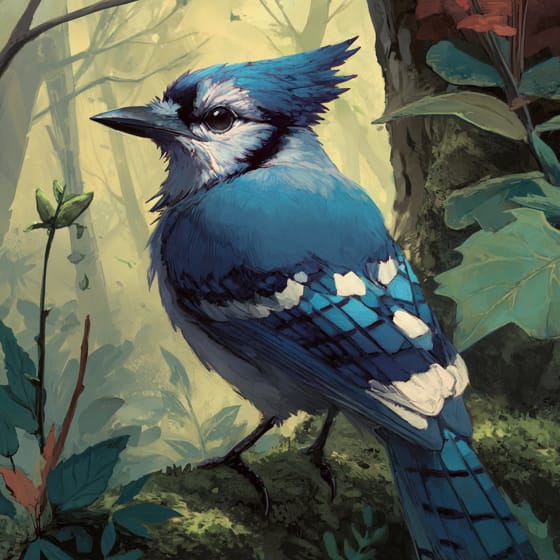
Cyanocitta cristata
Birds might try to eat them but usually regret it!
Colorful describes organisms or objects displaying a wide range of bright and distinct colors.
This trait characterizes organisms whose diet consists entirely or primarily of plant material.
Describes plants that are particularly attractive and beneficial to a wide range of pollinating organisms.
Forest habitats are terrestrial environments dominated by dense tree cover, supporting a high diversity of plant and animal life.

Diurnal animals are primarily active during daylight hours, typically resting or sleeping at night.

Describes organisms that transfer pollen, enabling the fertilization and reproduction of plants.
No aliases listed yet.
Danger
1/5 · Very low
It's best to observe beetles from a distance and not touch them.
The easiest way to identify Red Net-winged Beetle is to use the Snappit nature identifier app.
18-30 mm
8-15 mm
40-90 days
7 km/h
Adults enjoy nectar and pollen, while their larvae are tiny hunters, eating small insects.
Forests
Foraging
Zoom in to split clusters and explore where this object has been snapped.
Recent snaps will appear here as new observations are added.
Take the discovery with you
Snap it with Snappit to identify it, learn what makes it special, and add the discovery to your collection.








.jpg&width=800)


