

Red Shiner
cyprinella lutrensis
The Red Shiner (Cyprinella lutrensis) is a small, highly adaptable freshwater fish native to the central United States, particularly the Mississippi River basin and Gulf Coast drainages. Known for its stunning transformation during the breeding season, males develop brilliant, iridescent colors that rival those of tropical aquarium fish. Because of this striking appearance and their hardy nature, they have historically been popular in the aquarium trade and widely used as bait by anglers. Unfortunately, this exact hardiness has made the Red Shiner a problematic invasive species outside of its natural range. Due to bait bucket releases, they have established populations in numerous western watersheds. In these introduced habitats, they often outcompete native species, hybridize with closely related fish, and thrive in degraded waters where more sensitive natives perish. Despite this ecological controversy, they remain a fascinating study in adaptability and aquatic resilience.
Habitat: Found primarily in the shallow, slower-moving pools of creeks and small rivers, often thriving in highly turbid or degraded waters with sand or silt substrates.
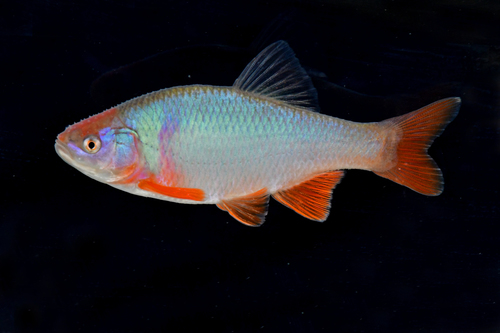
The Red Shiner is a deep-bodied, laterally compressed minnow typically measuring 4 to 9 centimeters in length. Non-breeding males and females are primarily silvery-olive with a faint lateral band and plain fins. However, during the breeding season, males undergo a dramatic visual shift: their sides take on an iridescent blue or violet hue, the scales develop dark, diamond-shaped outlines, and all fins except the dorsal fin turn a vibrant, blood-red or orange color. They feature a terminal, slightly oblique mouth and lack barbels, which helps distinguish them from some other minnow species.
Category
FishRarity
Common
Danger
1/5 · Very low
Snaps
1
Because they are heavily used as bait by anglers, accidental 'bait bucket releases' have caused massive ecological disruption by introducing them to rivers far outside their natural range.
During the breeding season, males develop such brilliant blue bodies and blood-red fins that they have earned the colloquial nickname 'rainbow dace'.
Red Shiners are fractional spawners, meaning females produce multiple, smaller batches of eggs over a long breeding season rather than dropping them all at once.
They communicate and assert dominance during breeding using a combination of visual displays, rapid fin movements, and distinct acoustic sounds generated in the water.
They deposit their sticky eggs into tight crevices of rocks, submerged logs, or roots to protect them from swift currents and predators.
Capable of surviving in highly turbid, low-oxygen, and polluted waters that are typically lethal to more sensitive native fish species.
They are known to opportunistically deposit their eggs in the active nests of sunfish, taking advantage of the larger fish's aggressive nest-guarding behavior.
They feed opportunistically on a wide mix of aquatic invertebrates, terrestrial insects that fall into the water, and plant matter.
Age differences: Larvae feed almost exclusively on microscopic zooplankton and rotifers, shifting to larger macroinvertebrates and algae as they grow.
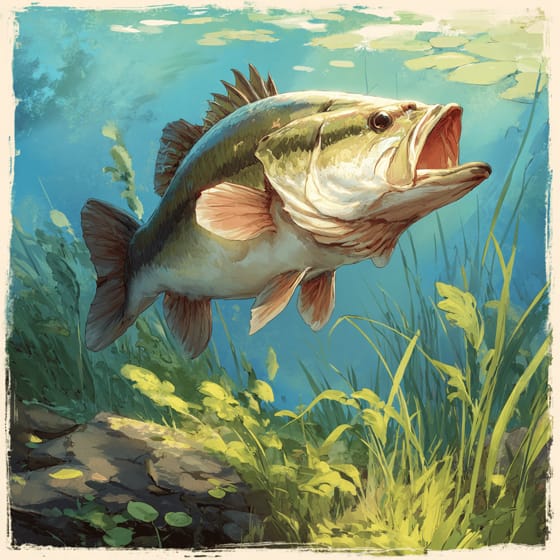
Micropterus salmoides
Frequently preyed upon by larger predatory game fish.
Gila orcuttii
Outcompetes this native cyprinid for food and breeding grounds in introduced California habitats.
Bothriocephalus acheilognathi
Acts as an intermediate host and vector for introduced parasites, spreading them to new watersheds.
No trait badges are assigned for this object yet.
No aliases listed yet.
Collections for this object will appear here as more themes are added.
Danger
1/5 · Very low
No special safety notes yet.
The easiest way to identify Red Shiner is to use the Snappit nature identifier app.
4-9 cm
0.001-0.005 kg
2-3 years
They feed opportunistically on a wide mix of aquatic invertebrates, terrestrial insects that fall into the water, and plant matter.
Found primarily in the shallow, slower-moving pools of creeks and small rivers, often thriving in highly turbid or degraded waters with sand or silt substrates.
Foraging
400-1200
Zoom in to split clusters and explore where this object has been snapped.
Take the discovery with you
Snap it with Snappit to identify it, learn what makes it special, and add the discovery to your collection.