





Red-tailed Bumble Bee
Bombus lapidarius
The Red-tailed Bumble Bee is a fuzzy little insect that loves to buzz around flowers. They help plants grow by spreading pollen, making them very important for nature!
Habitat: Grasslands
The Red-tailed Bumble Bee has a striking jet-black body, famously contrasted by its vibrant, fiery orange-red tail. Queens and workers are entirely black with this distinctive tail, while males often sport yellow hairs on their face and sometimes the front of their thorax, making them easily identifiable.
Category
InsectsRarity
Common
Danger
1/5 · Very low
Snaps
Be the first to snap!
Bumble bees visit hundreds of flowers daily, gathering nectar and pollen for their young.
Queens sleep underground all winter, emerging in spring to start new colonies!
Their bright red tail warns predators to stay away, a natural 'do not disturb' sign!
Tiny 'pollen baskets' on their legs help them carry food to the nest!
Red-tailed Bumble Bees can 'buzz pollinate' (sonication), which helps release pollen from certain flowers like tomatoes.
Red-tailed Bumble Bees have an amazing internal compass that helps them find their way back to the nest.
Red-tailed Bumble Bees can shiver their flight muscles to warm up, allowing them to forage in cooler temperatures.
They drink sweet flower nectar for energy and gather protein-rich pollen for their young.

Trifolium pratense
An important food source, especially for queens.
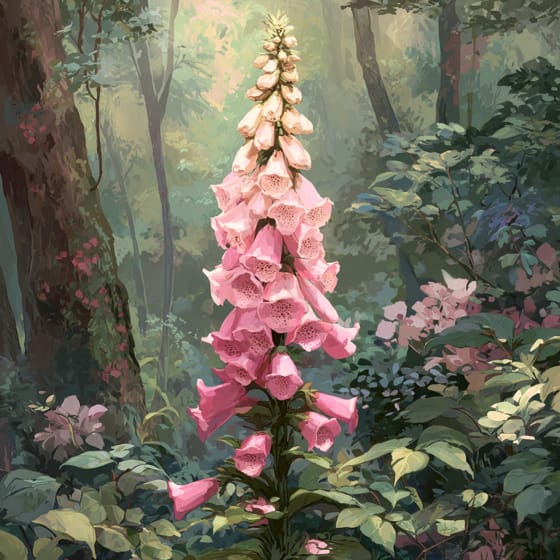
Digitalis purpurea
They are well-suited to pollinate deep, tubular flowers.
Bombus vestalis
A 'cuckoo' bee that lays eggs in their nest.
Pica pica
Birds sometimes prey on foraging bees.
Furry describes animals possessing a dense covering of soft hair or fur.
Social animals live in organized groups, cooperating for survival benefits such as foraging, defense, and raising offspring.
Grassland habitats are terrestrial biomes dominated by grasses and herbaceous plants, supporting a variety of grazing animals.
This trait characterizes organisms whose diet consists entirely or primarily of plant material.

Describes plants that are particularly attractive and beneficial to a wide range of pollinating organisms.

Diurnal animals are primarily active during daylight hours, typically resting or sleeping at night.

Describes a species whose presence and role have a disproportionately large effect on its environment.

Describes organisms that transfer pollen, enabling the fertilization and reproduction of plants.
Danger
1/5 · Very low
Be gentle and stay calm if you see a bee. They usually won't bother you if you don't bother them.
The easiest way to identify Red-tailed Bumble Bee is to use the Snappit nature identifier app.
25-45 mm
12-22 mm
20-365 days
20 km/h
They drink sweet flower nectar for energy and gather protein-rich pollen for their young.
Grasslands
Foraging
Zoom in to split clusters and explore where this object has been snapped.
Recent snaps will appear here as new observations are added.
Take the discovery with you
Snap it with Snappit to identify it, learn what makes it special, and add the discovery to your collection.





.jpg&width=800)



