





Belted Kingfisher
Megaceryle alcyon
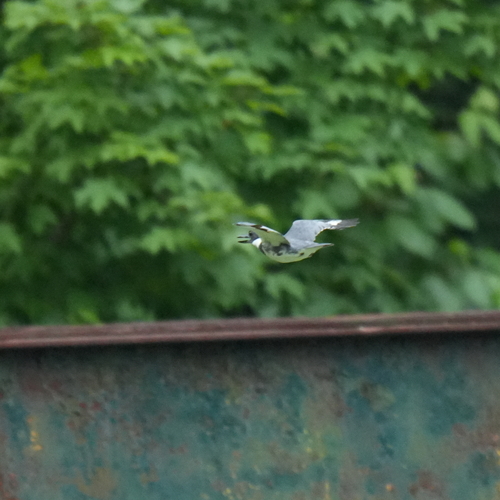
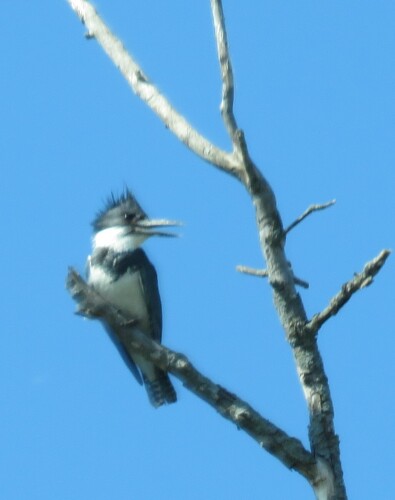
The Belted Kingfisher is a magnificent bird with a striking blue and white coloration. It loves to dive from perches into water to catch fish for its meals.
Habitat: Coastal areas
The Belted Kingfisher has a shaggy crest and striking blue-gray plumage on its back and head. Its white belly features a broad, rusty band in females and a single blue-gray band in males, making them easy to differentiate. They possess a long, sturdy, dagger-like bill.
Category
BirdsRarity
Common
Danger
1/5 · Very low
Snaps
40
Kingfisher chicks are born naked and blind inside their dark, underground tunnels.
Their strong, spiky crest feathers can be raised and lowered, showing how they feel!
These birds fly with a distinctive undulating, wavy pattern across the water!
They often whack larger fish against a branch multiple times before swallowing them whole!
Belted Kingfishers can plunge headfirst from heights into water, using their strong, pointed beak to snatch fish.
These birds dig long nesting tunnels, sometimes over six feet deep, into earthen banks using their bill and feet.
The Belted Kingfisher can hover in mid-air above water, allowing it to precisely target fish before a rapid dive.
Mainly eats fish, but also enjoys insects and small aquatic creatures.
Age differences: Young chicks are fed regurgitated, partially digested fish by their parents.
Gasterosteus aculeatus
A common small fish preyed upon in freshwater habitats.
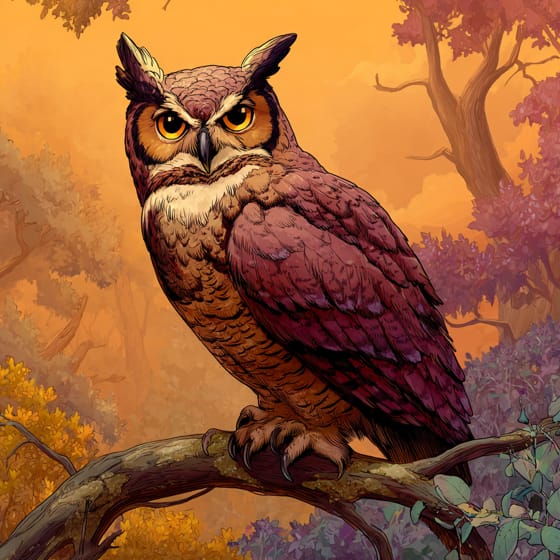
Bubo virginianus
Predators of adult kingfishers or their young, especially at night.
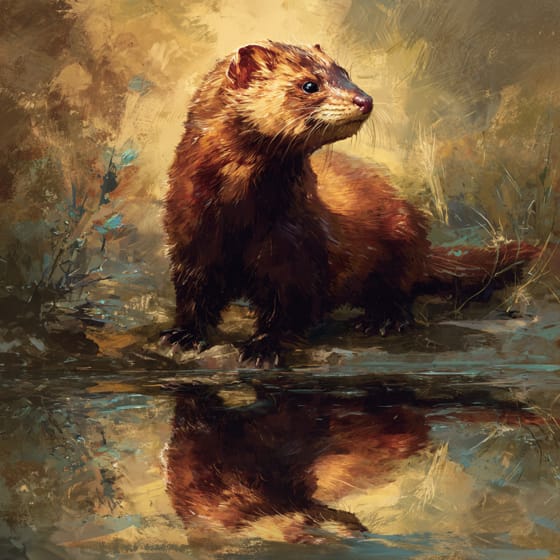
Neovison vison
Mammalian predator that may raid kingfisher nests in burrows.
Wildlife encompasses all undomesticated animal and plant life existing in their natural habitats.
Feathered describes animals, primarily birds, possessing a covering of feathers.
Aerial creatures spend a significant portion of their lives airborne, utilizing flight for various activities such as hunting, migration, or nesting.
Piscivorous organisms are animals that primarily subsist on a diet of fish.

This trait describes organisms that manipulate external objects to achieve a specific goal.

Coastal habitats are dynamic environments located along the interface between land and sea, influenced by tides, waves, and saltwater.

Diurnal animals are primarily active during daylight hours, typically resting or sleeping at night.
Danger
1/5 · Very low
Enjoy watching Belted Kingfishers from a safe distance to avoid disturbing them.
The easiest way to identify Belted Kingfisher is to use the Snappit nature identifier app.
28-35 cm
48-58 cm
0.14-0.17 kg
3-8 years
45 km/h
Mainly eats fish, but also enjoys insects and small aquatic creatures.
Coastal areas
Zoom in to split clusters and explore where this object has been snapped.
Jun 6, 2026
Reeves-Reed ArboretumPhoto attribution
(c) foxsu, some rights reserved (CC BY)
License: CC BY 4.0 ↗
Image may be shown cropped inside the card frame.
Jun 4, 2026
Brady's Bluff Prairie State Natural AreaPhoto attribution
(c) Marilynn Miller, some rights reserved (CC BY)
License: CC BY 4.0 ↗
Image may be shown cropped inside the card frame.
Feb 7, 2026
Potter Park ZooPhoto attribution
(c) Alan Prather, some rights reserved (CC BY)
License: CC BY 4.0 ↗
Image may be shown cropped inside the card frame.

Alaska, US
You might spot Brown Bear, Common Merganser, and Sockeye Salmon.
View guide →

District of Columbia, US
You might spot Duck, Eastern Gray Squirrel, and House Sparrow.
View guide →

Alabama, US
You might spot Cave Salamander and Pink Lady's Slipper.
View guide →
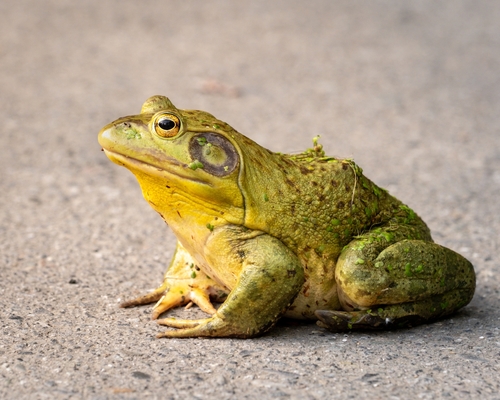
Virginia, US
You might spot American Bullfrog, Snapping Turtle, and Great Blue Heron.
View guide →

Louisiana, US
You might spot Trumpeter Swan, Lesser Scaup, and Canada Goose.
View guide →
Virginia, US
You might spot American Bullfrog, Snapping Turtle, and Great Blue Heron.
View guide →
Take the discovery with you
Snap it with Snappit to identify it, learn what makes it special, and add the discovery to your collection.





.jpg&width=800)









