





Reed
Reedocalymene unicornis
Reeds are tall, slender plants that grow near water. They have long, green stems and fluffy seed heads that sway in the wind.
Habitat: Wetlands
The Reed is a tall, slender plant with stiff green stems that often turn golden in autumn. It has long, narrow leaves and distinctive feathery, purplish-brown flower heads. It stands out with its dense, towering growth along waterways.
Category
PlantsRarity
Common
Danger
1/5 · Very low
Snaps
Be the first to snap!
A single reed plant can spread its roots to cover an area larger than a car.
Reeds are one of the fastest-growing plants in many wetland ecosystems.
Reeds can grow over 15 feet tall, taller than an adult giraffe!
Some ancient cultures used reeds to build entire boats and even houses.
Reed can absorb pollutants from water through its roots, helping to clean natural environments.
Reed has extensive underground rhizomes that form a strong net, preventing soil erosion along shores.
Reed forms dense stands, providing vital hiding spots and nesting sites for many wetland animals.
Acrocephalus scirpaceus
Builds nests hidden within dense reed beds.
Anas platyrhynchos
Uses reeds for nesting and protection from predators.
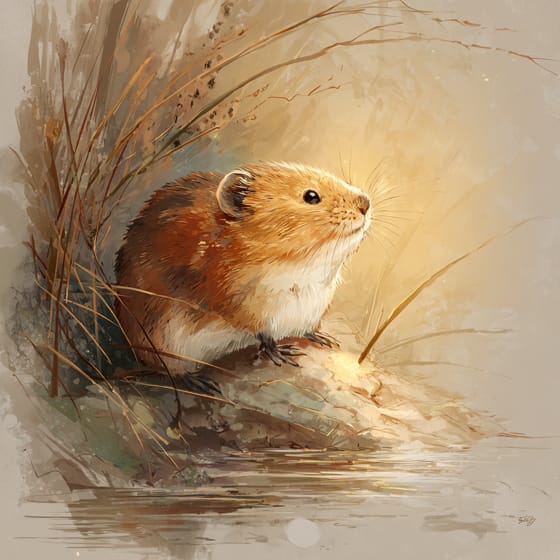
Arvicola amphibius
Lives among reeds, feeding on stems and leaves.
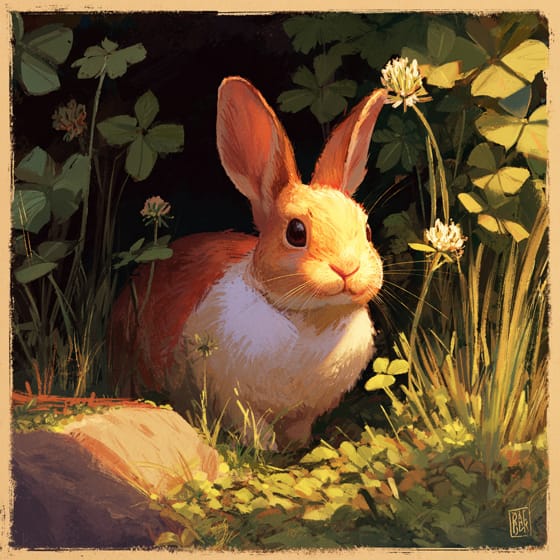
Oryctolagus cuniculus
Young reed shoots can be a food source.
Deciduous plants periodically shed all their leaves, typically during autumn or dry seasons.
Cluster flowers are inflorescences where individual flowers are arranged closely together on a common stem.
Grass-like plants are herbaceous plants that visually resemble true grasses, typically having long, narrow leaves.
Shade tolerant plants are adapted to grow and thrive in areas with low light levels, requiring less direct sunlight.

Medicinal plants possess chemical compounds that can be used for therapeutic purposes to treat illnesses or maintain health.

This trait signifies organisms belonging to a very old evolutionary group with ancestors dating back millions of years.

This habitat trait identifies species found in wetlands, which are areas of land saturated with water, either permanently or seasonally, including marshes, swamps, and bogs.
Danger
1/5 · Very low
Enjoy looking at reeds from a safe distance and avoid stepping on them to protect their habitat.
The easiest way to identify Reed is to use the Snappit nature identifier app.
100-400 cm
50-200 cm
0.2-0.5 cm
Late summer to fall
Yes
None
Perennial
Zoom in to split clusters and explore where this object has been snapped.
Recent snaps will appear here as new observations are added.
Take the discovery with you
Snap it with Snappit to identify it, learn what makes it special, and add the discovery to your collection.







.jpg&width=800)



_001.jpg&width=800)



