





red sand-verbena
Abronia maritima
The red sand-verbena is a bright and cheerful flower that grows in sandy coastal areas. Its lovely pink and purple blooms attract butterflies and bees, making it a favorite among nature lovers.
Habitat: Coastal areas
The red sand-verbena has thick, fleshy green leaves arranged on creeping stems that spread across the sand. Its vibrant reddish-purple flowers are tiny but grow in dense, globe-shaped clusters, making a striking splash of color against coastal dunes.
Category
PlantsRarity
Common
Danger
1/5 · Very low
Snaps
2
It creates a "living mat" that helps protect fragile sand dunes from erosion.
Its roots were once eaten by Native American peoples living along the coast!
The bright flowers smell sweet, attracting nocturnal moths for pollination too!
The plant's sticky seeds can hitch a ride on animals or even wind!
Red sand-verbena has a deep taproot that helps it anchor firmly in loose sand and find water far below the surface.
Red sand-verbena can store water in its thick, succulent leaves, allowing it to survive in dry, sunny coastal environments.
Red sand-verbena can tolerate salty sea spray and sandy soil, letting it thrive where many other plants cannot.
Apis mellifera
Visits fragrant flowers for nectar.

Bombus vosnesenskii
Gathers pollen and nectar from blooms.
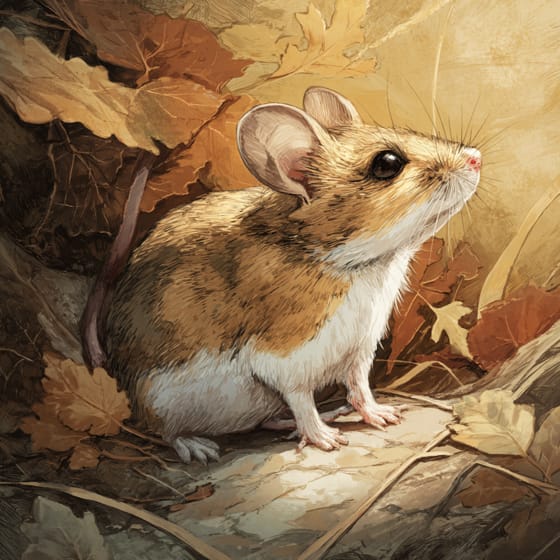
Peromyscus maniculatus
Forages for fallen seeds on the ground.
Flowering plants are any plants that produce flowers as part of their reproductive cycle.
A shrub is a woody plant smaller than a tree, typically with multiple stems branching from or near the ground.
Summer blooming plants produce their flowers during the summer season, often providing vibrant color when many other plants have finished.
Drought-tolerant plants can survive and flourish in conditions with limited water availability.

Colorful describes organisms or objects displaying a wide range of bright and distinct colors.

Describes plants that are particularly attractive and beneficial to a wide range of pollinating organisms.

Coastal habitats are dynamic environments located along the interface between land and sea, influenced by tides, waves, and saltwater.
No aliases listed yet.
Danger
1/5 · Very low
Always look but don't pick flowers, so everyone can enjoy them!
The easiest way to identify red sand-verbena is to use the Snappit nature identifier app.
10-30 cm
30-100 cm
3-5 cm
Spring to Fall, year-round in mild climates
Yes
None
Perennial
Zoom in to split clusters and explore where this object has been snapped.
Take the discovery with you
Snap it with Snappit to identify it, learn what makes it special, and add the discovery to your collection.









.jpg&width=800)



_001.jpg&width=800)




