





Rock Pipit
Anthus petrosus
The Rock Pipit is a small bird that loves to hop around on rocky shores and beaches. They have a lovely song and are often seen looking for tasty insects and seeds to eat.
Habitat: Coastal areas
The Rock Pipit has dull grey-brown upperparts and a streaky breast and flanks, with a pale belly. Its plumage helps it blend seamlessly with the rocky shores, distinguishing it from the brighter, less streaky pipits. It often flicks its tail.
Category
BirdsRarity
Common
Danger
1/5 · Very low
Snaps
Be the first to snap!
Baby Rock Pipits leave the nest just 13 days after hatching, growing up super fast by the sea!
Sometimes, they cleverly follow fishing boats to snap up tiny scraps thrown overboard!
Their distinctive "chip-chip-chip" call is often the first sound you hear echoing along rocky coastlines.
They're one of the few birds that sing while performing a display flight, often high above crashing waves!
Rock Pipits can swiftly forage among slippery rocks and seaweed because their strong legs and agile movements help them find food near crashing waves.
Rock Pipits has special nesting sites, often tucked into cliff crevices, that helps protect their eggs and chicks from harsh coastal weather.
Rock Pipits has streaky brown plumage that helps them blend perfectly with rocks and sand, making them very hard for predators to spot.
These coastal birds munch on tasty insects and tiny creatures found near the sea and in tidal zones!
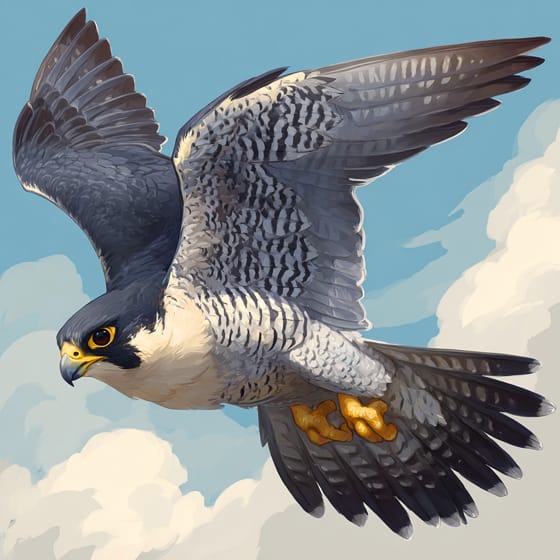
Falco peregrinus
Rock Pipits are a prey item for this coastal raptor.
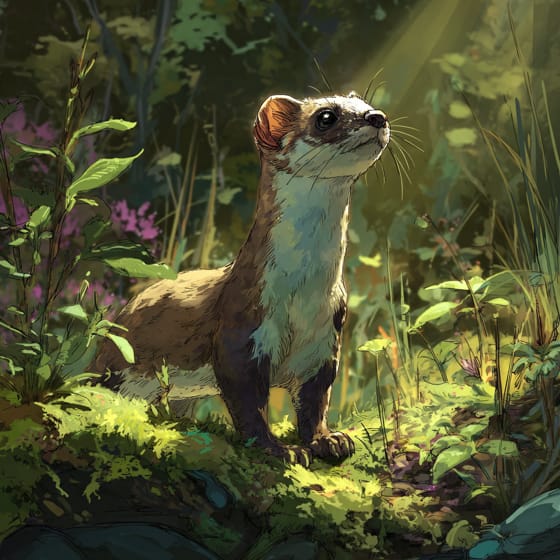
Mustela erminea
Stoats can prey on eggs, chicks, and adult pipits near nests.
Ligia oceanica
Rock Pipits actively hunt these crustaceans on rocky shores.
Amara aenea
Various insect species, including beetles, are a key food source.
Feathered describes animals, primarily birds, possessing a covering of feathers.
Social animals live in organized groups, cooperating for survival benefits such as foraging, defense, and raising offspring.
Singing animals produce complex vocalizations, often for purposes of attracting mates, defending territory, or communicating within their species.
Camouflaged describes organisms that possess coloring or patterns that allow them to blend into their environment.

This trait identifies organisms whose diet primarily consists of insects and other small invertebrates.

Coastal habitats are dynamic environments located along the interface between land and sea, influenced by tides, waves, and saltwater.

Diurnal animals are primarily active during daylight hours, typically resting or sleeping at night.
No aliases listed yet.
Danger
1/5 · Very low
Always watch birds from a distance and don't try to touch them.
The easiest way to identify Rock Pipit is to use the Snappit nature identifier app.
16.5-18 cm
23-28 cm
0.02-0.03 kg
2-8 years
50 km/h
These coastal birds munch on tasty insects and tiny creatures found near the sea and in tidal zones!
Coastal areas
Zoom in to split clusters and explore where this object has been snapped.
Recent snaps will appear here as new observations are added.
Take the discovery with you
Snap it with Snappit to identify it, learn what makes it special, and add the discovery to your collection.




.jpg&width=800)









