


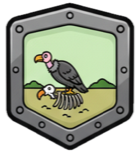


King Vulture
Sarcoramphus papa
The King Vulture is a colorful bird known for its bright feathers and large size. It helps keep nature clean by eating dead animals, making it an important part of the ecosystem.
Habitat: Forests
The King Vulture has a striking appearance with a largely creamy-white body and contrasting black flight feathers. Its bald head boasts vibrant skin in shades of orange, yellow, red, and blue, crowned with a distinctive orange wattle above its powerful beak, making it easily distinguishable.
Category
BirdsRarity
Common
Danger
2/5 · Low
Snaps
Be the first to snap!
Baby king vultures are born with dark feathers and a fuzzy, dull gray head.
King Vultures can soar so high they sometimes fly above the clouds!
Their name comes from a legend that they are the kings and queens of other vultures!
They often help smaller vultures by using their strong beaks to open large, tough carcasses.
King Vultures can spot small carcasses from incredible heights because of their keen eyesight, helping them find food efficiently.
King Vultures have a strong, hooked beak that helps them tear open the tough hides of large animals to reach their meal.
King Vultures can ride warm air currents for hours without flapping their wings, saving energy while searching vast areas for food.
These vultures are nature's clean-up crew, primarily eating the carrion (dead animals) they find.
Cathartes aura
for opening large carcasses with tough hides.
Tapirus terrestris
carrion of dead tapirs when available.
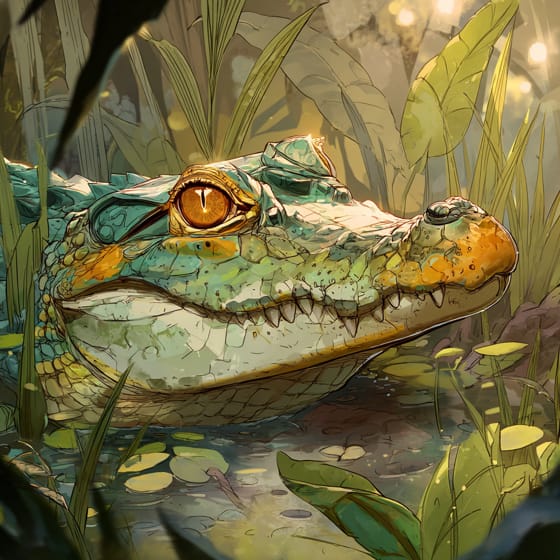
Caiman crocodilus
carrion of dead caimans found in its range.

Pecari tajacu
carrion of dead peccaries from natural causes.
Feathered describes animals, primarily birds, possessing a covering of feathers.
Social animals live in organized groups, cooperating for survival benefits such as foraging, defense, and raising offspring.
Scavengers consume dead organic matter, helping to decompose carcasses and other waste in the ecosystem.
Colorful describes organisms or objects displaying a wide range of bright and distinct colors.

Describes organisms that break down dead organic material, recycling nutrients back into the ecosystem.

Forest habitats are terrestrial environments dominated by dense tree cover, supporting a high diversity of plant and animal life.

This trait identifies organisms whose diet consists entirely or primarily of animal tissue.

Diurnal animals are primarily active during daylight hours, typically resting or sleeping at night.

Describes a species whose presence and role have a disproportionately large effect on its environment.

Threatened status denotes a species likely to become endangered in the foreseeable future without effective conservation interventions.
No aliases listed yet.
Danger
2/5 · Low
Always watch birds from a distance and never try to touch them.
The easiest way to identify King Vulture is to use the Snappit nature identifier app.
71-80 cm
170-200 cm
2.7-4.5 kg
20-30 years
50 km/h
These vultures are nature's clean-up crew, primarily eating the carrion (dead animals) they find.
Forests
Zoom in to split clusters and explore where this object has been snapped.
Recent snaps will appear here as new observations are added.
Take the discovery with you
Snap it with Snappit to identify it, learn what makes it special, and add the discovery to your collection.




.jpg&width=800)






