





coffeeberry
Frangula californica
Coffeeberry is a lovely shrub that grows in California. It has shiny green leaves and produces small, dark berries that birds love to eat!
Habitat: Coastal areas
The coffeeberry is an evergreen shrub with glossy, dark green leaves and often reddish stems. Its small, greenish-white flowers develop into berries that strikingly change color from green to red, then finally to black.
Category
PlantsRarity
Common
Danger
1/5 · Very low
Snaps
4
Coffeeberry berries look like coffee beans but are from a totally different plant!
Coffeeberry shrubs are super tough and can live for many decades in harsh conditions!
Its ripe black berries are a favorite food for many kinds of birds, helping them survive!
Native Americans used coffeeberry bark and leaves for traditional medicines and dyes.
Coffeeberry can survive dry spells because its tough, leathery leaves lose less water, helping it thrive in arid places.
This plant has evergreen leaves that stay green all year, letting it make food from sunlight even in winter.
Coffeeberry berries change color from red to black to show birds they are ripe and ready to eat, attracting helpers to spread seeds.
Its tiny, nectar-rich flowers attract many different insects, helping them pollinate other plants too!

Toxostoma redivivum
Feeds on ripe coffeeberry fruit.
Apis mellifera
Visits tiny flowers for nectar and pollen.
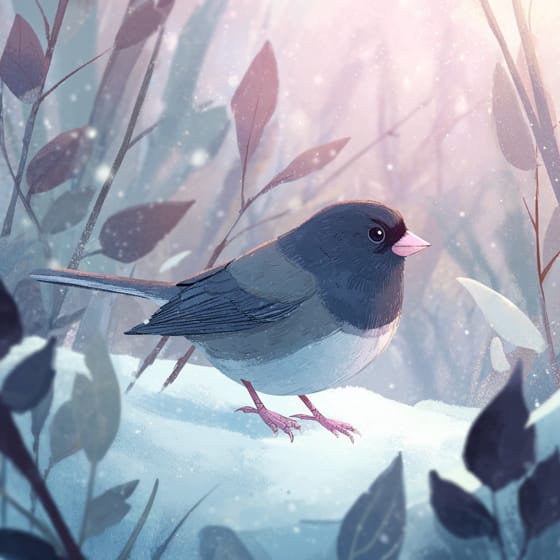
Junco hyemalis
Finds cover in its dense branches.
Ornamental plants are cultivated primarily for their aesthetic appeal, enhancing landscapes and gardens with their attractive foliage, flowers, or form.
A shrub is a woody plant smaller than a tree, typically with multiple stems branching from or near the ground.
Evergreen plants retain their foliage throughout the year, never shedding all their leaves at once.
Fruit-bearing plants produce fruits, which are the mature ovaries of flowering plants containing seeds.

Edible plants are those parts of a plant that are considered safe for human consumption.

Coastal habitats are dynamic environments located along the interface between land and sea, influenced by tides, waves, and saltwater.
No aliases listed yet.
Danger
1/5 · Very low
Always look but don't touch the berries unless a grown-up says it's okay!
The easiest way to identify coffeeberry is to use the Snappit nature identifier app.
100-500 cm
100-300 cm
0.5-1 cm
Spring to early summer
No
Mild
Perennial
Zoom in to split clusters and explore where this object has been snapped.

California, US
You might spot Great Blue Heron, Western Gull, and Coyote.
View guide →

California, US
You might spot Western Fence Lizard and California Poppy.
View guide →

California, US
You might spot Hoary Rock-Rose, Brittleleaf Manzanita, and Chaparral Pea.
View guide →

California, US
You might spot Sonoma Sage, White Globe Lily, and Mute Swan.
View guide →

California, US
You might spot Black Bear, Western Fence Lizard, and Woodland Pinedrops.
View guide →

California, US
You might spot Sea Lion, Northern Elephant Seal, and Harbor Seal.
View guide →
Take the discovery with you
Snap it with Snappit to identify it, learn what makes it special, and add the discovery to your collection.









.jpg&width=800)



_001.jpg&width=800)


