.jpg&width=800)





Root-maggot Flies
Anthomyiidae
Root-maggot flies are small insects that live in the soil. They help break down plants and are important for healthy gardens and farms.
Habitat: Gardens and farms
The Root-maggot Flies are typically small, dull gray or brownish insects, often resembling miniature houseflies. They have clear wings and prominent compound eyes, with some species displaying bristly bodies and legs that distinguish them.
Category
InsectsRarity
Common
Danger
1/5 · Very low
Snaps
Be the first to snap!
A single female fly can lay hundreds of tiny eggs in her short adult life!
Not all maggots eat roots; some prefer munching on decaying plants or fungi!
Some root-maggot fly larvae can wipe out entire fields of vegetables!
These flies are a tasty snack for many birds, spiders, and parasitic wasps!
Root-maggot Flies can find specific host plants by sensing unique chemical smells that helps them lay eggs accurately.
Root-maggot Flies' larvae can tunnel through soil to munch on plant roots because of their strong mouthparts.
Root-maggot Flies has a quick life cycle that helps them multiply quickly when conditions are right.
Adult flies sip nectar; larvae feast on plant roots or decaying organic matter.
Age differences: Larvae consume plant roots or decaying matter; adults feed on nectar.

Brassica oleracea
Larvae tunnel into and feed on the roots of this plant.
Allium cepa
Maggots burrow into onion bulbs and roots, causing damage.
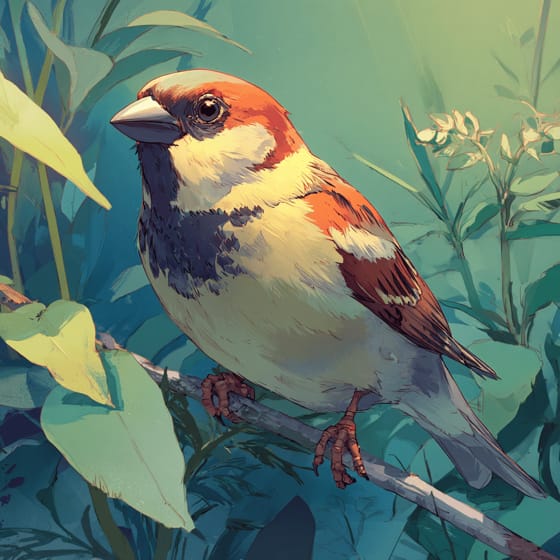
Passer domesticus
Adult flies are a food source for these common birds.
Pardosa amentata
Spiders prey on adult root-maggot flies in gardens.
Solitary animals live alone for most of their lives, only interacting with others for mating or parental care.
This trait characterizes organisms whose diet consists entirely or primarily of plant material.
Describes organisms that break down dead organic material, recycling nutrients back into the ecosystem.
Diurnal animals are primarily active during daylight hours, typically resting or sleeping at night.

Describes a species whose presence and role have a disproportionately large effect on its environment.

Pertaining to species that are significantly smaller than typical or average for their kind.

Describes organisms that transfer pollen, enabling the fertilization and reproduction of plants.
No aliases listed yet.
Danger
1/5 · Very low
These flies are not harmful, but it's best to leave them alone to do their important work.
The easiest way to identify Root-maggot Flies is to use the Snappit nature identifier app.
6-18 mm
3-9 mm
10-20 days
Adult flies sip nectar; larvae feast on plant roots or decaying organic matter.
Gardens and farms
Foraging
6
Zoom in to split clusters and explore where this object has been snapped.
Recent snaps will appear here as new observations are added.
Take the discovery with you
Snap it with Snappit to identify it, learn what makes it special, and add the discovery to your collection.








.jpg&width=800)



