





Rosy Atascosa Moth
Atascosa glareosella
The Rosy Atascosa Moth is a beautiful little insect with soft, rosy-colored wings. It flutters around at night, bringing a touch of magic to the dark with its gentle presence.
Habitat: Grasslands
The Rosy Atascosa Moth is small and delicate, featuring forewings with a striking blend of rose-pink and rusty-brown patches. Its hindwings are typically a lighter, more uniform brown, making it visually distinct from many drabber moths found in its habitat.
Category
InsectsRarity
Common
Danger
1/5 · Very low
Snaps
Be the first to snap!
It begins life as a caterpillar, munching leaves before its amazing change!
Its scientific name, Atascosa, is inspired by a river in Texas!
Like a tiny straw, its proboscis unrolls to sip sweet flower nectar!
This moth can detect the faintest scents to find flowers and other moths!
Rosy Atascosa Moth has patterned wings that help them blend into bark or dry leaves, hiding from hungry predators.
Rosy Atascosa Moth can fly at night using advanced vision to find flowers and mates in the darkness.
Rosy Atascosa Moth sips nectar, inadvertently transferring pollen between flowers, which helps plants grow new seeds.
Adult moths sip nectar from flowers, while caterpillars munch on specific plant leaves.
Age differences: Larvae (caterpillars) eat leaves; adults drink flower nectar.
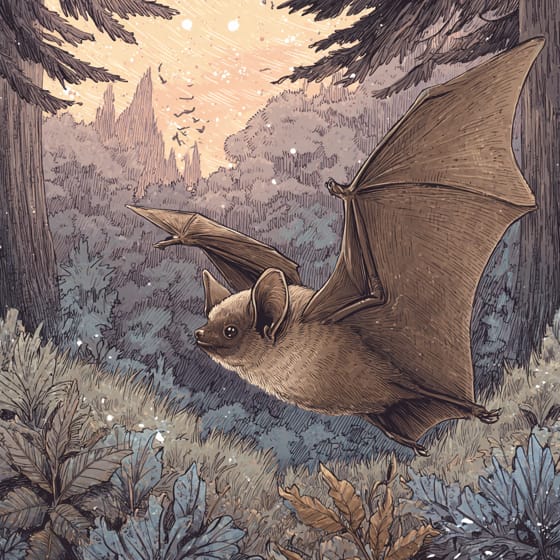
Myotis lucifugus
Bats actively hunt nocturnal moths using echolocation at night.
Baileya multiradiata
Its caterpillars feed on the leaves of this common desert plant.
Baileya multiradiata
Adult moths transfer pollen while visiting these flowers for nectar.
Solitary animals live alone for most of their lives, only interacting with others for mating or parental care.
Colorful describes organisms or objects displaying a wide range of bright and distinct colors.
Grassland habitats are terrestrial biomes dominated by grasses and herbaceous plants, supporting a variety of grazing animals.
This trait characterizes organisms whose diet consists entirely or primarily of plant material.

Nocturnal animals are primarily active during the nighttime hours, typically resting or sleeping during the day.

Describes organisms that transfer pollen, enabling the fertilization and reproduction of plants.
No aliases listed yet.
Danger
1/5 · Very low
Moths are usually harmless, but it's best to watch them from a distance.
The easiest way to identify Rosy Atascosa Moth is to use the Snappit nature identifier app.
10-20 mm
5-10 mm
7-21 days
Adult moths sip nectar from flowers, while caterpillars munch on specific plant leaves.
Grasslands
Foraging
6
Zoom in to split clusters and explore where this object has been snapped.
Recent snaps will appear here as new observations are added.
Take the discovery with you
Snap it with Snappit to identify it, learn what makes it special, and add the discovery to your collection.







.jpg&width=800)



