





Prairie Skink
Plestiodon septentrionalis
The Prairie Skink is a small, colorful lizard that loves to bask in the sun. With its shiny scales and long tail, it can be found darting through grass and hiding under rocks.
Habitat: Grasslands
The Prairie Skink is a slender lizard with a shiny, smooth body. Adults are typically tan to olive-brown with dark stripes running down their sides. Young skinks stand out with bright blue tails, which fade as they grow older.
Category
ReptilesRarity
Common
Danger
1/5 · Very low
Snaps
4
Baby prairie skinks are born with dazzling blue tails, which are a flashy warning to predators.
Mama skinks often guard their eggs, cleaning them and even eating spoiled ones!
Prairie Skinks prefer sunny spots and often hide under rocks or logs to stay safe.
These amazing lizards hibernate underground during winter to survive the cold temperatures.
Prairie Skinks can drop their wriggling blue tail if a predator grabs it, because this distraction helps them escape to safety.
Prairie Skinks have dark stripes that help them blend into tall grasses and shadows, making it hard for predators to spot them.
Prairie Skinks can bask in the sun to warm their bodies for energy, which helps them move quickly to hunt or flee danger.
Prairie Skinks mostly munch on insects and other tiny creatures they find in their habitat.

Gryllus pennsylvanicus
A common and nutritious insect that Prairie Skinks hunt.
Thamnophis sirtalis
A frequent snake predator that hunts skinks in their habitat.
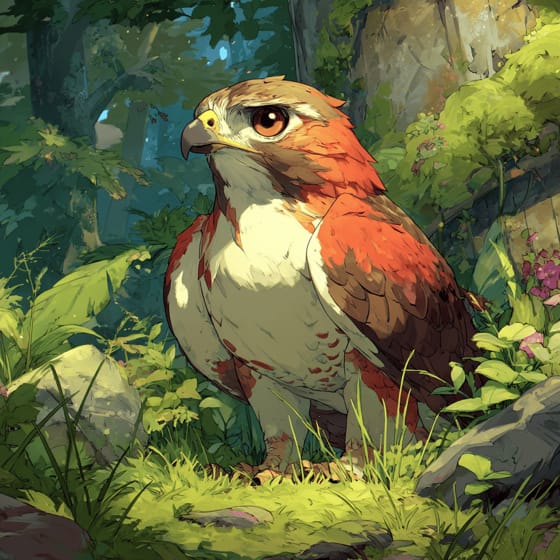
Buteo jamaicensis
Large birds of prey like hawks often prey on small lizards.
Colorful describes organisms or objects displaying a wide range of bright and distinct colors.
Grassland habitats are terrestrial biomes dominated by grasses and herbaceous plants, supporting a variety of grazing animals.
This trait identifies organisms whose diet primarily consists of insects and other small invertebrates.
Thermoregulating organisms maintain a stable internal body temperature despite fluctuations in the external environment.

Diurnal animals are primarily active during daylight hours, typically resting or sleeping at night.

Regenerative organisms possess the ability to regrow lost or damaged body parts, tissues, or organs.

This trait identifies organisms that exhibit exceptional swiftness in movement for hunting, escape, or travel.
No aliases listed yet.
Danger
1/5 · Very low
If you see a skink, watch it from a distance and don't try to catch it.
The easiest way to identify Prairie Skink is to use the Snappit nature identifier app.
13-22 cm
0.005-0.02 kg
5-10 years
10 km/h
Prairie Skinks mostly munch on insects and other tiny creatures they find in their habitat.
Grasslands
Foraging
Zoom in to split clusters and explore where this object has been snapped.

Oklahoma, US
You might spot Western Ratsnake and Spotted Chorus Frog.
View guide →

South Dakota, US
You might spot Japanese Macaque, Tiger, and Snow Leopard.
View guide →

Nebraska, US
You might spot Monarch, Black Swallowtail, and European Mantis.
View guide →
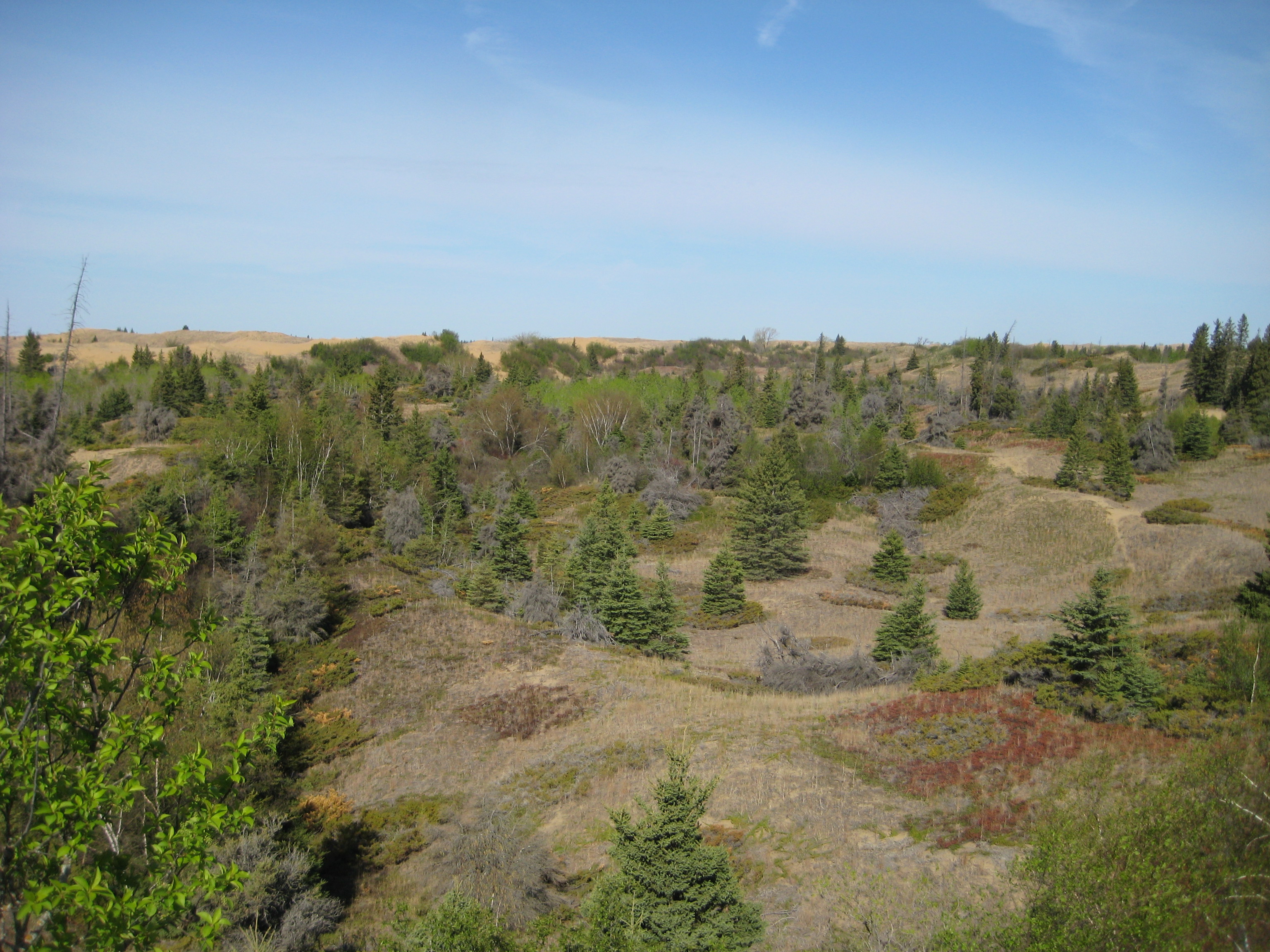
Manitoba, CA
You might spot Prairie Skink, Smooth Greensnake, and Admiral Butterfly.
View guide →
Take the discovery with you
Snap it with Snappit to identify it, learn what makes it special, and add the discovery to your collection.













