





rough-fruited fairybells
Prosartes trachycarpa
Rough-fruited fairybells are delicate plants with pretty, bell-shaped flowers. They grow in shady, moist places and are a lovely sight in the forest.
Habitat: Forests
The rough-fruited fairybells has delicate, bell-shaped flowers that hang downwards, usually creamy white to pale yellow. Its oblong leaves are green, and its distinctive orange-red berries are covered in tiny, stiff hairs, giving them a rough texture unlike smooth-fruited relatives.
Category
PlantsRarity
Common
Danger
1/5 · Very low
Snaps
Be the first to snap!
After its bright orange berries ripen, the whole plant might vanish until next spring!
Indigenous peoples sometimes cooked and ate the rough-textured orange berries as a unique treat!
Its scientific name, Prosartes, cleverly means "to hang down," describing its bell-shaped flowers!
The rough-fruited fairybells is a wild cousin to the famous lily flower family!
Rough-fruited fairybells has fuzzy berries that can stick to passing animals, helping spread its seeds far and wide to new growing spots.
This plant has strong underground stems (rhizomes) that allow it to spread and create new plants without needing seeds.
Its broad leaves can efficiently capture sunlight even in dim forest understories, letting it thrive where other plants struggle.
Bombus vosnesenskii
Drinks nectar from its bell-like flowers.
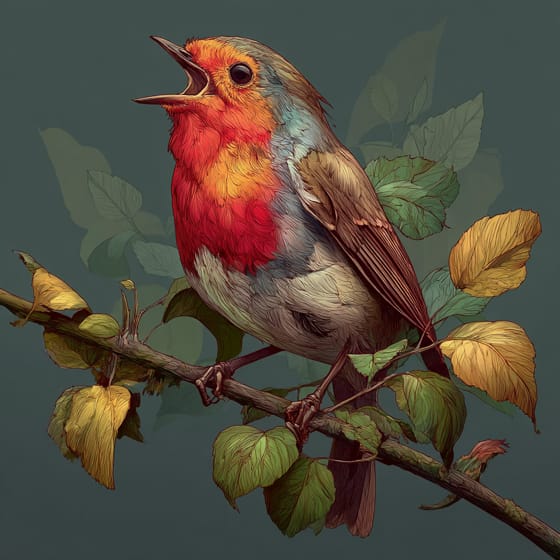
Turdus migratorius
Consumes its orange, rough-textured berries.
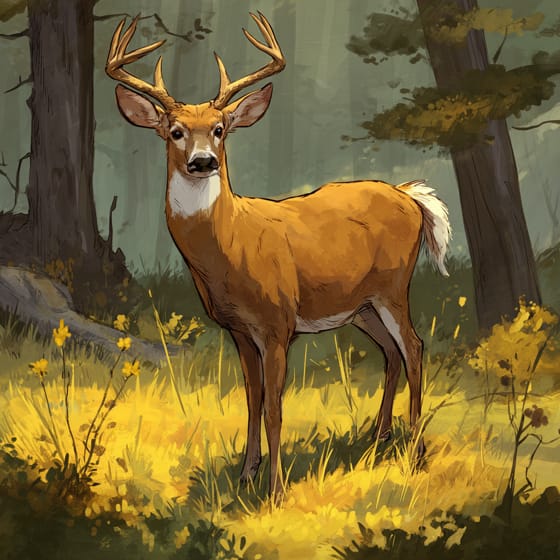
Odocoileus virginianus
Browses on its tender leaves and stems.
Bell-shaped flowers possess petals fused or arranged to form a cup-like or campanulate structure resembling a bell.
Deciduous plants periodically shed all their leaves, typically during autumn or dry seasons.
Flowering plants are any plants that produce flowers as part of their reproductive cycle.
Cluster flowers are inflorescences where individual flowers are arranged closely together on a common stem.

Shade tolerant plants are adapted to grow and thrive in areas with low light levels, requiring less direct sunlight.

Describes plants that are particularly attractive and beneficial to a wide range of pollinating organisms.

Forest habitats are terrestrial environments dominated by dense tree cover, supporting a high diversity of plant and animal life.
No aliases listed yet.
Danger
1/5 · Very low
Don't touch or pick plants without asking an adult first.
The easiest way to identify rough-fruited fairybells is to use the Snappit nature identifier app.
30-70 cm
30-45 cm
1-2 cm
Late spring to early summer
No
Mild
Perennial
Zoom in to split clusters and explore where this object has been snapped.
Recent snaps will appear here as new observations are added.
Take the discovery with you
Snap it with Snappit to identify it, learn what makes it special, and add the discovery to your collection.





.jpg&width=800)



_001.jpg&width=800)



