





creeping lantana
Lantana montevidensis
Creeping lantana is a colorful plant that grows close to the ground. It has bright flowers that attract butterflies and bees, making gardens look cheerful and lively!
Habitat: Urban areas
The creeping lantana has trailing stems forming dense mats of foliage. Its small, tubular flowers appear in flattened clusters, typically vibrant purple, sometimes with white or yellow centers, creating a colorful carpet.
Category
PlantsRarity
Common
Danger
2/5 · Low
Snaps
Be the first to snap!
Despite its beauty, this plant is listed as an invasive weed in many warm parts of the world.
Each 'flower' is actually a cluster of many tiny, individual blooms, attracting more pollinators.
Its small, round fruits change from green to dark purple when ripe, signaling they are ready for dispersal!
Rubbing its leaves releases a distinct, strong scent, often described as citrusy or peppery.
Creeping lantana can spread its stems widely and root as it grows, helping it quickly cover large areas and outcompete other plants.
Creeping lantana has toxic compounds in its leaves and berries, protecting it from being eaten by many animals.
Creeping lantana can thrive in full sun and tolerate drought conditions, allowing it to grow in tough, open environments.
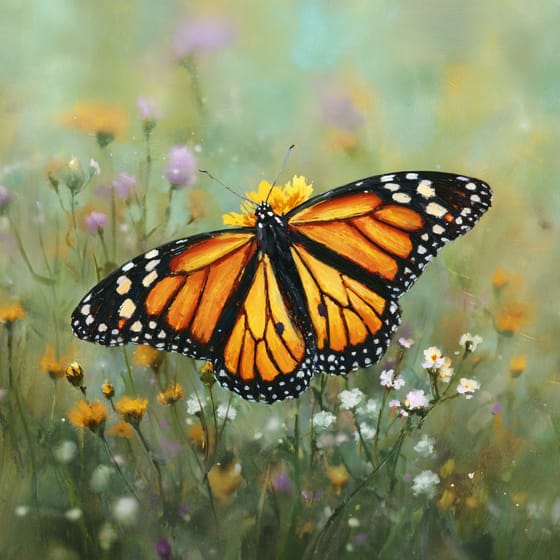
Danaus plexippus
visits flowers for nectar
Apis mellifera
collects nectar from its many small flowers

Bos taurus
can be poisoned if they ingest leaves or berries
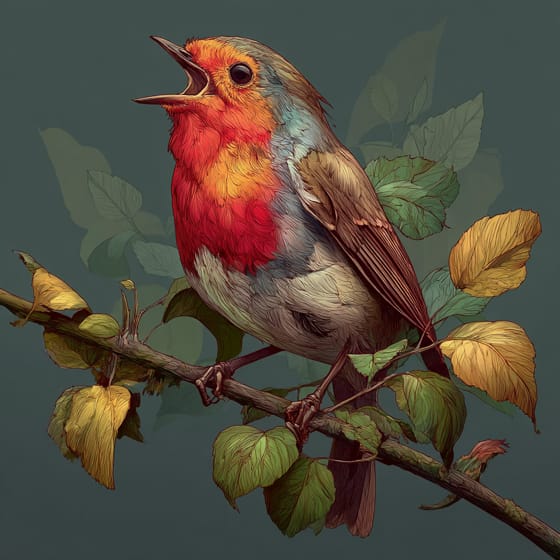
Turdus migratorius
disperses seeds by eating its berries

Aphis nerii
feeds on sap from its stems and leaves
Flowering plants are any plants that produce flowers as part of their reproductive cycle.
A shrub is a woody plant smaller than a tree, typically with multiple stems branching from or near the ground.
Evergreen plants retain their foliage throughout the year, never shedding all their leaves at once.
Fragrant flowers emit a pleasant aroma, often to attract pollinators or for defense.

Colorful describes organisms or objects displaying a wide range of bright and distinct colors.

Describes plants that are particularly attractive and beneficial to a wide range of pollinating organisms.

Rapid growing plants exhibit accelerated growth rates, quickly increasing in size and biomass within a short period.

This habitat trait indicates species that can coexist with humans in urban and suburban environments, utilizing man-made structures and green spaces.
No aliases listed yet.
Danger
2/5 · Low
While the flowers are pretty, it's best to look and not touch, as some parts can be harmful if eaten.
The easiest way to identify creeping lantana is to use the Snappit nature identifier app.
10-30 cm
50-200 cm
0.5-1 cm
Year-round in tropical/subtropical climates
No
Moderate
Perennial
Zoom in to split clusters and explore where this object has been snapped.
Recent snaps will appear here as new observations are added.
Take the discovery with you
Snap it with Snappit to identify it, learn what makes it special, and add the discovery to your collection.








.jpg&width=800)


_001.jpg&width=800)



