





Roundleaf Snowberry
Symphoricarpos rotundifolius
The Roundleaf Snowberry is a small shrub with round, white berries. It grows in clusters and is loved by birds who eat its berries. This plant is great for gardens and helps nature!
Habitat: Forests
The Roundleaf Snowberry is a deciduous shrub with distinctive rounded, oval-shaped green leaves. It produces small, inconspicuous pinkish-white bell-shaped flowers that later develop into clusters of prominent, waxy white berries, resembling tiny pearls, which persist into winter.
Category
PlantsRarity
Common
Danger
1/5 · Very low
Snaps
Be the first to snap!
Even though they look yummy, eating too many snowberries can give you a tummy ache!
Its scientific name, Symphoricarpos, means 'berries growing together'!
Native Americans historically used snowberry bark and leaves for traditional remedies!
Snowberries glow like tiny pearls in the winter forest, catching the eye of hungry birds!
Roundleaf Snowberry can hold its bright white berries on bare branches, providing crucial food for wildlife when other sources are scarce.
Roundleaf Snowberry has strong roots that allow it to thrive in dry, rocky, and often challenging soil conditions.
Roundleaf Snowberry can spread using underground stems, helping it colonize new areas and form dense thickets.
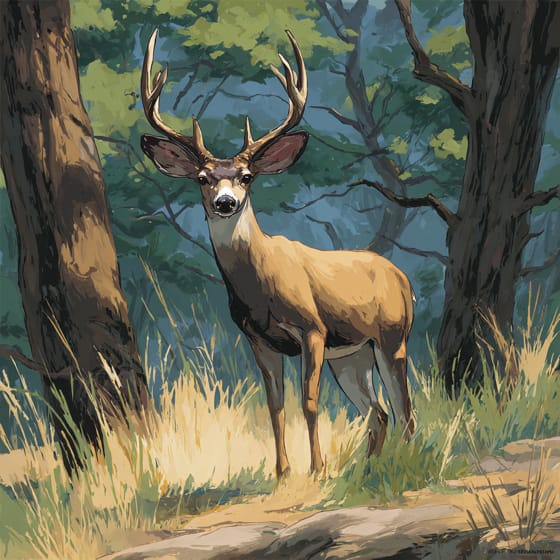
Odocoileus hemionus
Browses on its leaves and twigs.
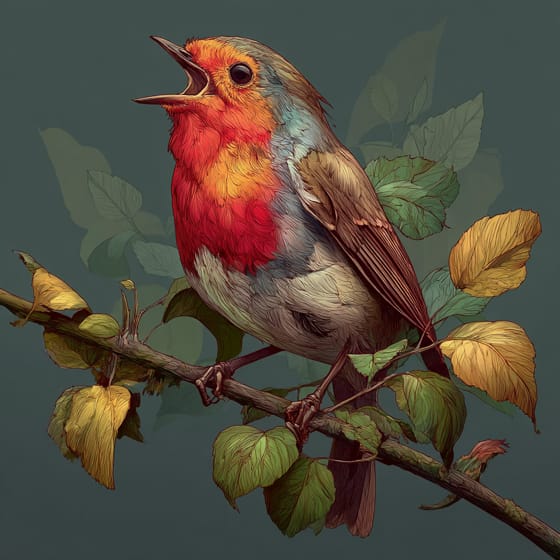
Turdus migratorius
Feasts on its persistent winter berries.
Bombus vosnesenskii
Visits its small, pinkish flowers.
Deciduous plants periodically shed all their leaves, typically during autumn or dry seasons.
A shrub is a woody plant smaller than a tree, typically with multiple stems branching from or near the ground.
Fruit-bearing plants produce fruits, which are the mature ovaries of flowering plants containing seeds.
Fall color refers to the seasonal change in foliage pigmentation, primarily in deciduous plants, displaying vibrant hues.

Describes plants that are particularly attractive and beneficial to a wide range of pollinating organisms.

Forest habitats are terrestrial environments dominated by dense tree cover, supporting a high diversity of plant and animal life.
No aliases listed yet.
Danger
1/5 · Very low
Don't eat the berries, as they are not good for you!
The easiest way to identify Roundleaf Snowberry is to use the Snappit nature identifier app.
50-150 cm
50-100 cm
0.3-0.6 cm
Late spring to early summer
No
Mild
Perennial
Zoom in to split clusters and explore where this object has been snapped.
Recent snaps will appear here as new observations are added.
Take the discovery with you
Snap it with Snappit to identify it, learn what makes it special, and add the discovery to your collection.







.jpg&width=800)



_001.jpg&width=800)




