Ruby Bolete
hortiboletus rubellus
The Ruby Bolete is a bright red mushroom that can be found in forests! It's known for its unique look and is a fun find for little nature explorers.
Habitat: Forests, especially under coniferous trees like pines and oaks.
The Ruby Bolete has a striking ruby-red cap that often cracks with age, revealing lighter flesh beneath. Its underside features small, yellow pores that instantly bruise blue when touched. The stem is yellowish, often streaked with red, especially towards the base.
Category
FungiRarity
Common
Danger
1/5 · Very low
Snaps
2
It has a mild, nutty flavor when cooked, often used in European dishes.
Its bright red color signals to some animals it might be poisonous, even though it's not!
The Ruby Bolete used to be called 'Boletus rubellus' before getting its new scientific name.
This mushroom can appear suddenly after rain, almost like magic!
Ruby Bolete can turn blue instantly when bruised because of a chemical reaction, which helps warn predators it's not tasty.
Ruby Bolete has a secret partnership with trees, sharing nutrients that helps both grow strong and healthy.
Ruby Bolete releases millions of tiny olive-brown spores that helps new mushrooms grow far away.
Solitary animals live alone for most of their lives, only interacting with others for mating or parental care.
Colorful describes organisms or objects displaying a wide range of bright and distinct colors.
This trait characterizes organisms whose diet consists entirely or primarily of plant material.
Describes organisms that break down dead organic material, recycling nutrients back into the ecosystem.

Forest habitats are terrestrial environments dominated by dense tree cover, supporting a high diversity of plant and animal life.
Danger
1/5 · Very low
Always ask an adult before touching or picking mushrooms.
The easiest way to identify Ruby Bolete is to use the Snappit nature identifier app.
4-10 cm
edible
3-10 cm
Forests, especially under coniferous trees like pines and oaks.
soil
Summer to fall
Olive-brown
Zoom in to split clusters and explore where this object has been snapped.
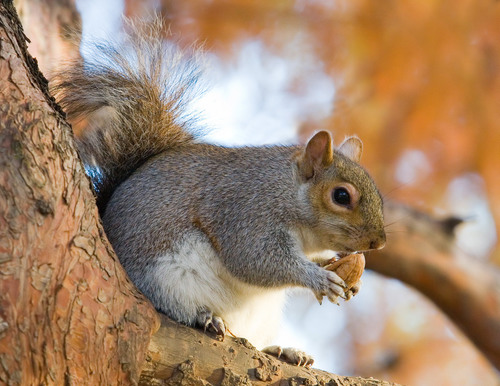
Georgia, US
You might spot Eastern Gray Squirrel, Domestic Cat, and American Robin.
View guide →

Georgia, US
You might spot Eastern Gray Squirrel, Domestic Cat, and American Robin.
View guide →

Missouri, US
You might spot Blackjack Oak, Bird's Foot Violet, and Starry Campion.
View guide →
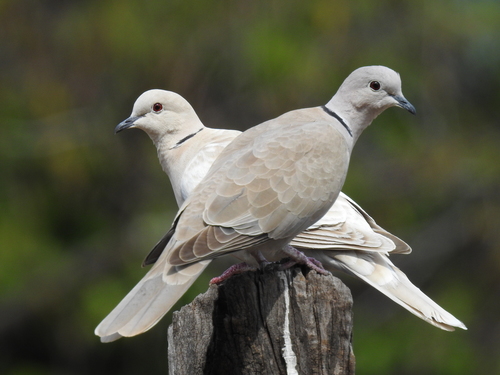
Tennessee, US
You might spot Eurasian Collared-Dove and Ringless Honey Mushroom.
View guide →
Take the discovery with you
Snap it with Snappit to identify it, learn what makes it special, and add the discovery to your collection.