





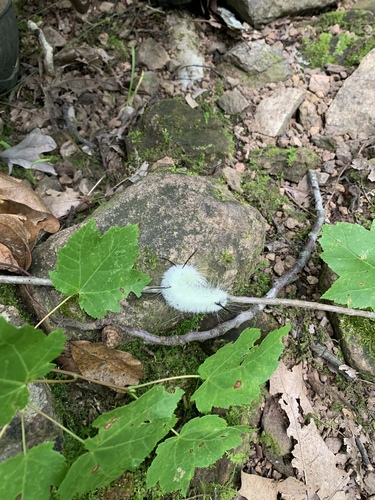
Pipevine Swallowtail

Buford Mountain Conservation Area offers a challenging and rewarding wilderness experience in Missouri's Ozarks.
Buford Mountain Conservation Area offers a challenging and rewarding wilderness experience in Missouri's Ozarks. This expansive 3,824-acre protected area features Buford Mountain, standing tall at 1,740 feet, and boasts spectacular panoramic views, rugged glades, and a diverse forest ecosystem that invites adventurous exploration. It's a true escape for those seeking solitude and a deep connection with nature.
The area's distinctive features include several glades, rocky, desert-like natural communities ranging from less than one acre to over ten acres, providing unique habitats for specialized plants and animals. Hikers can traverse the challenging 10.5-mile Buford Mountain Trail, leading to the famed Bald Knob overlook, which presents breathtaking 10-mile views of the Belleview Valley. The landscape is shaped by ancient rhyolite rock formations, remnants of a volcanic past, and interspersed with limestone streambeds and small ponds, adding to its geological interest and aesthetic appeal.
Visitors are drawn to Buford Mountain for its raw, untamed beauty and the opportunities for wildlife observation. Common Missouri wildlife such as deer, wild turkeys, and squirrels can be spotted, along with various forest birds, including the striking Pileated Woodpecker. The glades, particularly vibrant in spring and fall, showcase unique wildflowers and plant life, making every visit a chance to discover the natural artistry of this rugged corner of Missouri. Turn your visit into a safari! Use the Snappit app to scan and log wildlife sightings here.
Buford Mountain Conservation Area is named after William Buford, who settled the area in 1812 after acquiring land through a Spanish Land Grant. The region played a significant role in the mid to late 1800s due to a thriving charcoal industry, and remnants of old charcoal kilns can still be found scattered across the mountain, offering a glimpse into its industrial past. The Missouri Department of Conservation acquired the 3,824-acre area from The Nature Conservancy in 1979, establishing it as a conservation area to protect its natural features and provide public recreational opportunities.
Hike the Buford Mountain Trail for scenic vistas and a robust workout.
* Birdwatch for forest species, including the Pileated Woodpecker.
* Enjoy primitive camping in designated areas for an immersive wilderness experience.
* Practice outdoor photography, capturing the rugged landscape, unique glades, and wildlife.
* Observe deer, wild turkeys, and squirrels.
* Fish in the two-acre walk-in pond (specific regulations apply).
Spring: Burst of wildflowers in the glades and forests, active birdlife, moderate temperatures.
Summer: Lush greenery, but wet weather springs may be dry, and ticks are prevalent; carry repellent.
Fall: Spectacular fall foliage, pleasant hiking weather, active hunting season (be aware).
Winter: Bare trees offer broader views, increased solitude, but trails can be muddy or icy; some sources indicate that foliage is limited to moss during this time.
The trails are generally rugged, rocky, and challenging, with a steep ascent. There are no specific ADA-compliant trails or facilities mentioned, suggesting limited accessibility for those with mobility challenges. Primitive camping is available but without amenities like potable water or sanitary toilets.
The primary scenic overlook, offering expansive 10-mile views of the Belleview Valley.
A challenging 10.5-mile loop (or 9.5-mile loop depending on the source) that traverses the entire area, including a steep ascent to the summit.
Unique rocky ecosystems ranging from less than one acre to over ten acres, home to specialized flora and fauna.
Evidence of the area's volcanic past, particularly visible along the mountain.
Each card links to a full Explore page with photos, traits, and fun facts.
Start with the big picture, then zoom in to explore individual wildlife observations around this place.
Wear sturdy footwear
The trail is rocky and uneven in many places, so proper hiking boots are essential.
Bring plenty of water and snacks
Especially for the 10.5-mile loop, staying hydrated and energized is crucial, as there are no facilities for potable water.
Carry a map and compass/GPS
While the trail is generally well-defined, it's a wilderness area, and a map can help navigate and explore safely.
Be prepared for ticks
Especially in warmer months, tick repellent is a must due to the prevalence of ticks.
Practice Leave No Trace principles
Pack out all trash and waste, as there are no waste disposal facilities.
Heed hunting seasons
If visiting during hunting seasons, wear blaze orange for safety and be aware of regulations. Hunting is a permitted activity in the area.
Apr 6, 2026
Photo attribution
(c) SnakeyAtWork, some rights reserved (CC BY)
License: CC BY 4.0 ↗
Image may be shown cropped inside the card frame.
Nov 6, 2022
Photo attribution
(c) nina fogel, some rights reserved (CC BY)
License: CC BY 4.0 ↗
Image may be shown cropped inside the card frame.
Nov 6, 2022
Photo attribution
(c) nina fogel, some rights reserved (CC BY)
License: CC BY 4.0 ↗
Image may be shown cropped inside the card frame.
Aug 7, 2020
Photo attribution
(c) Reed Nelson, some rights reserved (CC BY)
License: CC BY 4.0 ↗
Image may be shown cropped inside the card frame.
Apr 12, 2026

Maryland, US
You might spot White-Tailed Deer and Eastern Gray Squirrel.
View guide →
.jpg)
District of Columbia, US
You might spot Eastern Gray Squirrel, Duck, and House Sparrow.
View guide →

Illinois, US
You might spot American Robin, Canada Goose, and House Sparrow.
View guide →

Virginia, US
You might spot Spotted Lanternfly and Northern Cardinal.
View guide →
Take the discovery with you
Identify the wildlife you spot, learn as you go, and keep a collection of the adventure.





















_-_Flickr_-_2ndPeter.jpg&width=800)