





Rufous Grasshopper
Gomphocerippus rufus
The Rufous Grasshopper is a small, colorful insect that loves to hop around in grassy areas. With its bright colors, it can be hard to spot, but it’s always having fun jumping from leaf to leaf!
Habitat: Grasslands
The Rufous Grasshopper has a slender body, typically reddish-brown to greyish, often with a darker stripe along its back. Males can be brighter than females, which are usually larger. Its short antennae are club-shaped at the tip, a distinctive feature.
Category
InsectsRarity
Common
Danger
1/5 · Very low
Snaps
Be the first to snap!
Its unique antennae help it feel its way around and sense the world.
Some male Rufous Grasshoppers 'sing' with their legs for over a minute to impress females!
They warm up in the sun to become more active, like tiny solar-powered critters.
Young grasshoppers, called nymphs, look like tiny adults but don't have wings yet.
The Rufous Grasshopper can jump incredibly far using its powerful hind legs, which helps it escape quickly from predators.
Rufous Grasshopper males produce unique chirping songs by rubbing their hind legs against their wings to attract a mate.
This grasshopper has superb camouflage that helps it blend perfectly with dry grasses and soil, hiding from hungry birds.
These plant-munching insects love to nibble on fresh grass and other green plants.
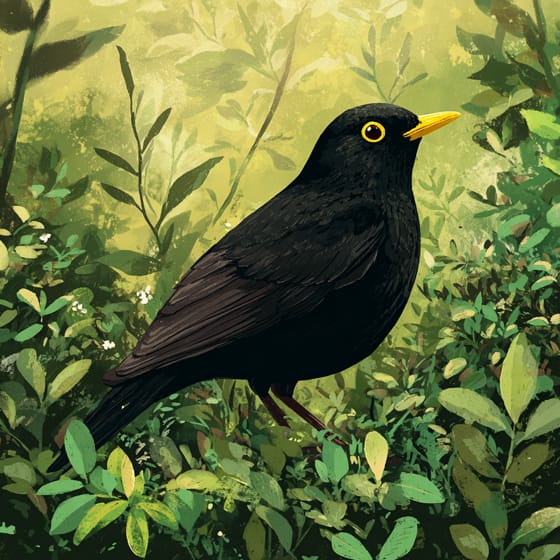
Turdus merula
A common prey item for many insectivorous birds.
Araneus diadematus
Can get caught in spider webs as a food source.
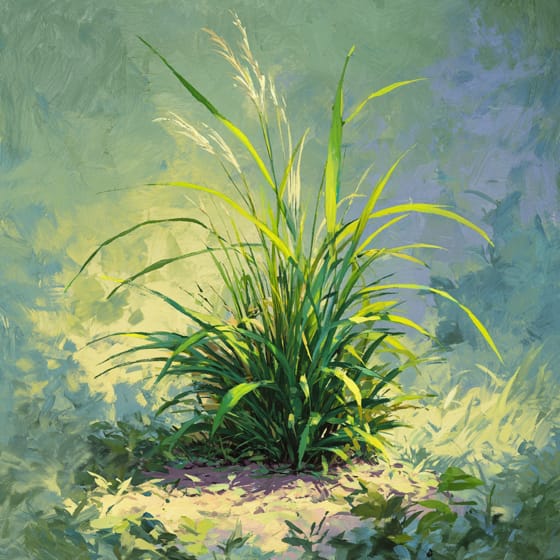
Poa pratensis
Feeds on a variety of common grasses and other plants.
Solitary animals live alone for most of their lives, only interacting with others for mating or parental care.
Singing animals produce complex vocalizations, often for purposes of attracting mates, defending territory, or communicating within their species.
Colorful describes organisms or objects displaying a wide range of bright and distinct colors.
Grassland habitats are terrestrial biomes dominated by grasses and herbaceous plants, supporting a variety of grazing animals.

This trait characterizes organisms whose diet consists entirely or primarily of plant material.

Diurnal animals are primarily active during daylight hours, typically resting or sleeping at night.

This trait identifies organisms that exhibit exceptional swiftness in movement for hunting, escape, or travel.

Describes organisms that transfer pollen, enabling the fertilization and reproduction of plants.
No aliases listed yet.
Danger
1/5 · Very low
Grasshoppers are harmless and fun to watch, but it's best not to touch them too much so they can hop away safely.
The easiest way to identify Rufous Grasshopper is to use the Snappit nature identifier app.
30-50 mm
15-25 mm
30-90 days
5-10 km/h
These plant-munching insects love to nibble on fresh grass and other green plants.
Grasslands
Foraging
Zoom in to split clusters and explore where this object has been snapped.
Recent snaps will appear here as new observations are added.
Take the discovery with you
Snap it with Snappit to identify it, learn what makes it special, and add the discovery to your collection.






.jpg&width=800)



