





Russethair Saxifrage
Micranthes ferruginea
Russethair Saxifrage is a small, pretty plant that loves to grow in rocky places. It has soft, fuzzy leaves and tiny flowers that can brighten up the mountainside.
Habitat: Mountain regions
The Russethair Saxifrage has a rosette of somewhat fleshy, spoon-shaped green leaves often tinged red. Its stems are covered in distinctive rusty-red hairs, giving it its name. Small white or cream-colored flowers bloom in clusters atop the hairy stalks.
Category
PlantsRarity
Common
Danger
1/5 · Very low
Snaps
Be the first to snap!
It can survive extreme cold and strong winds high up in the mountains.
Its Latin name means "iron-colored rock-breaker," due to its rusty hairs and rocky habitat.
Its tiny seeds can travel far on the wind to find new rocky homes.
This plant often helps break down rocks over time, slowly forming new soil!
Russethair Saxifrage has dense reddish hairs that insulate it from cold and strong winds in its mountain home.
Russethair Saxifrage can anchor its roots into tiny rock crevices, helping it grow where other plants cannot.
Bombus bifarius
Collects nectar and pollen
Pika princeps
Harvests plants for winter food stores
.jpg&width=800)
Marmota caligata
Feeds on various alpine plants
Furry describes animals possessing a dense covering of soft hair or fur.
Flowering plants are any plants that produce flowers as part of their reproductive cycle.
Spring blooming plants produce their flowers during the spring season, often signifying the end of winter and the start of new growth.
Cold hardy plants are able to withstand low temperatures and freezing conditions without significant damage.

Medicinal plants possess chemical compounds that can be used for therapeutic purposes to treat illnesses or maintain health.

Describes plants that are particularly attractive and beneficial to a wide range of pollinating organisms.

This habitat trait identifies species found in mountainous regions, characterized by high elevation, steep slopes, and varying climate zones.

Threatened status denotes a species likely to become endangered in the foreseeable future without effective conservation interventions.
No aliases listed yet.
Danger
1/5 · Very low
Do not touch plants without asking an adult, as some may not be safe.
The easiest way to identify Russethair Saxifrage is to use the Snappit nature identifier app.
5-20 cm
5-15 cm
0.5-1.5 cm
Late spring to late summer
Yes
None
Perennial
Zoom in to split clusters and explore where this object has been snapped.
Recent snaps will appear here as new observations are added.
British Columbia, CA
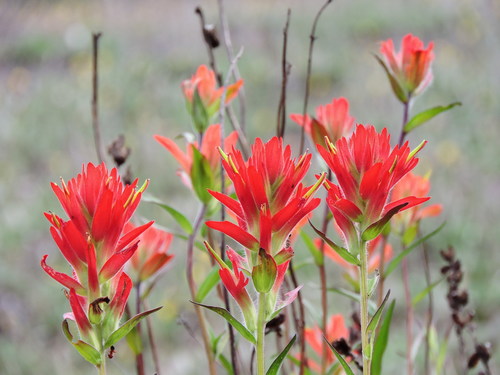
You might spot Giant Red Paintbrush, Lupines, and Broadleaf Arnica.
View guide →

British Columbia, CA
You might spot Canada Jay, Pink Mountainheath, and Yellow-Pine Chipmunk.
View guide →

British Columbia, CA
You might spot Salal, Douglas Fir, and Western Rattlesnake Plantain.
View guide →
Take the discovery with you
Snap it with Snappit to identify it, learn what makes it special, and add the discovery to your collection.








.jpg&width=800)



_001.jpg&width=800)




