





Common Harebell
Campanula rotundifolia
The Common Harebell is a lovely blue flower that grows in fields and meadows. It has delicate, bell-shaped blooms that sway gently in the breeze, making it a beautiful sight in nature.
Habitat: Grasslands
The Common Harebell has delicate, nodding, blue-violet, bell-shaped flowers, typically hanging singly or in small clusters. Its thin, wiry stems make the blooms appear to dance in the wind, distinguishing it from other bellflowers.
Category
PlantsRarity
Common
Danger
1/5 · Very low
Snaps
1
In Scotland, some people call it "Witch's Thimble" or "Dead Man's Bells"!
Its early leaves are round, but later ones on the stem become long and narrow!
Its stems are so thin, the flowers gently nod and dance with the slightest breeze!
This tough plant can grow high up on mountains, thriving in harsh, rocky places!
Common Harebell can thrive in poor, rocky soils and high altitudes, enduring harsh winds and cold conditions.
The downward-facing, bell-shaped flowers help protect the pollen and nectar inside from rain, keeping it dry for pollinators.
Common Harebell has rhizomes (underground stems) that help it spread and form new plants, even in tough terrains.
Bombus terrestris
visits flowers for nectar
Pieris rapae
sips nectar from flowers
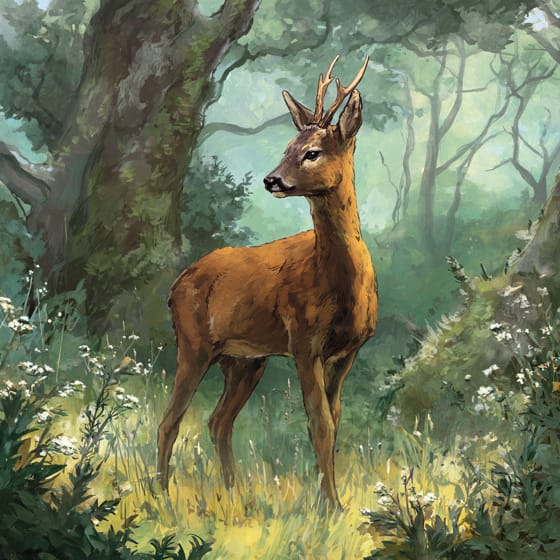
Capreolus capreolus
browses leaves and flowers
Bell-shaped flowers possess petals fused or arranged to form a cup-like or campanulate structure resembling a bell.
Flowering plants are any plants that produce flowers as part of their reproductive cycle.
Summer blooming plants produce their flowers during the summer season, often providing vibrant color when many other plants have finished.
Fragrant flowers emit a pleasant aroma, often to attract pollinators or for defense.

Drought-tolerant plants can survive and flourish in conditions with limited water availability.

Grassland habitats are terrestrial biomes dominated by grasses and herbaceous plants, supporting a variety of grazing animals.

Describes plants that are particularly attractive and beneficial to a wide range of pollinating organisms.
No aliases listed yet.
Danger
1/5 · Very low
While harebells are pretty, it's best to look and not pick them so they can keep growing.
The easiest way to identify Common Harebell is to use the Snappit nature identifier app.
15-60 cm
15-30 cm
1-2.5 cm
Summer-fall
Yes
None
Perennial
Zoom in to split clusters and explore where this object has been snapped.
Take the discovery with you
Snap it with Snappit to identify it, learn what makes it special, and add the discovery to your collection.









.jpg&width=800)


_001.jpg&width=800)




