


Russula
Russula
Russula is a type of mushroom found in forests. It has a colorful cap and gills underneath. Some Russula mushrooms are edible, but others are poisonous, so it's important to know which ones are safe to eat.
Habitat: Forests
The Russula genus has a wide range of cap colors, from bright red and yellow to purple and green, often with a dry or slightly sticky surface. Its gills are typically brittle and its stem is white, often snapping cleanly like chalk, distinguishing it from many other mushrooms.
Category
FungiRarity
Common
Danger
3/5 · Moderate
Snaps
1
If you find a Russula, its stem will snap like chalk!
Some Russula taste super spicy, like a pepper!
They grow huge underground networks with tree roots!
Tiny animals and insects love munching on Russula!
Russula can share nutrients with trees because its roots form a special underground bond.
Russula has a chalky stem that snaps cleanly, helping experts identify them easily.
Russula has bright, varied cap colors that help it attract animals to spread its spores.
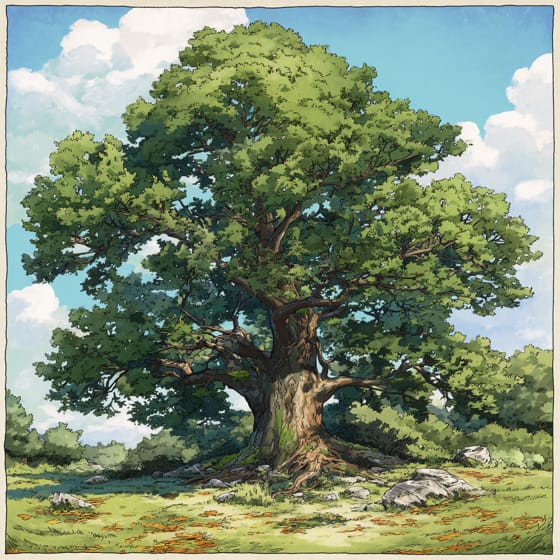
Quercus robur
shares nutrients with their roots
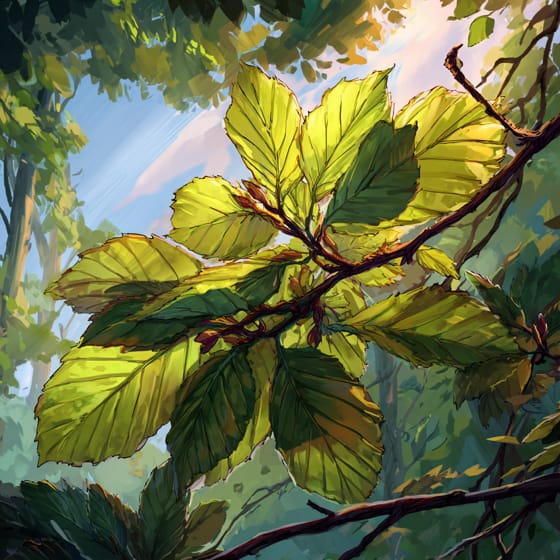
Fagus sylvatica
forms vital underground partnerships
Sciurus carolinensis
provides a tasty meal for forest critters
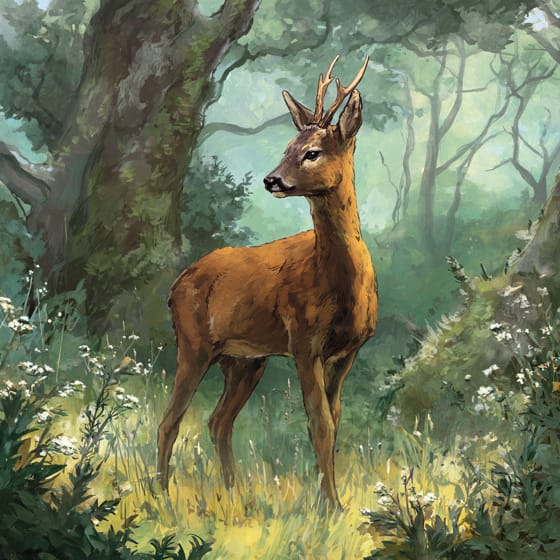
Capreolus capreolus
a food source for deer in the woods
This trait describes a symbiotic relationship between a fungus and the roots of a plant, benefiting both organisms.
Spore-producing organisms reproduce by releasing small, often single-celled, reproductive units called spores.
This trait refers to fungal species that are safe for human consumption when properly identified and prepared.
Forest habitats are terrestrial environments dominated by dense tree cover, supporting a high diversity of plant and animal life.
Danger
3/5 · Moderate
Never eat any mushroom unless an adult who knows about mushrooms says it's safe.
The easiest way to identify Russula is to use the Snappit nature identifier app.
4-15 cm
inedible
3-15 cm
Forests
soil
Summer to Fall
White to Creamy Yellow
Zoom in to split clusters and explore where this object has been snapped.
Take the discovery with you
Snap it with Snappit to identify it, learn what makes it special, and add the discovery to your collection.
















