





Salsifies
Tragopogon
Salsifies are special plants with long, green leaves and bright yellow flowers. They grow in fields and gardens, and their roots are tasty and can be eaten like vegetables!
Habitat: Grasslands
The Salsifies has striking yellow or purple daisy-like flowers that close and twist into a spiral by late afternoon. Its most unique feature is its enormous, airy seed head, resembling a giant dandelion puffball, standing tall in meadows.
Category
PlantsRarity
Common
Danger
1/5 · Very low
Snaps
Be the first to snap!
Ancient Romans and Greeks ate Salsifies roots, long before carrots became popular!
Salsifies flowers are often called 'Goat's Beard' because their seed heads look like a fluffy white beard!
The plant's stems ooze a milky white sap when broken, a sticky secret many plants keep!
Their huge seed heads can be bigger than your hand, easily double the size of a dandelion puffball!
Salsifies has large, feathery seeds that catch the wind, allowing it to spread widely and find new places to grow.
Salsifies has a long, sturdy taproot that helps it reach deep into the soil to find water and nutrients during dry spells.
Apis mellifera
Collects nectar and pollen
Bombus terrestris
Visits flowers for nectar
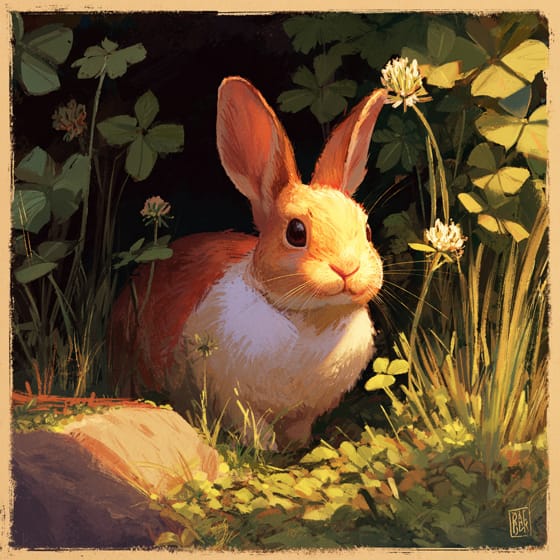
Oryctolagus cuniculus
Browses on young leaves

Helix aspersa
Feeds on foliage
Flowering plants are any plants that produce flowers as part of their reproductive cycle.
Biennial plants complete their life cycle over two growing seasons, typically forming foliage in the first year and flowering/seeding in the second.
Summer blooming plants produce their flowers during the summer season, often providing vibrant color when many other plants have finished.
Fragrant flowers emit a pleasant aroma, often to attract pollinators or for defense.

This human use trait describes species cultivated or domesticated by humans for agricultural purposes, including crops and livestock.

Edible plants are those parts of a plant that are considered safe for human consumption.

Grassland habitats are terrestrial biomes dominated by grasses and herbaceous plants, supporting a variety of grazing animals.

Describes plants that are particularly attractive and beneficial to a wide range of pollinating organisms.
Danger
1/5 · Very low
Always ask an adult before touching or tasting any plants.
The easiest way to identify Salsifies is to use the Snappit nature identifier app.
30-100 cm
30-60 cm
3-6 cm
Summer
Yes
None
Biennial
Zoom in to split clusters and explore where this object has been snapped.
Recent snaps will appear here as new observations are added.
Take the discovery with you
Snap it with Snappit to identify it, learn what makes it special, and add the discovery to your collection.








.jpg&width=800)


_001.jpg&width=800)



