





sand blackberry
Rubus cuneifolius
Sand blackberries are sweet, juicy berries that grow on thorny bushes. They are fun to pick and delicious to eat, making them a favorite snack for kids and animals alike!
Habitat: Coastal areas
The sand blackberry is an upright or arching shrub covered in sharp thorns. Its small, white flowers have five petals and bloom in clusters. The leaves are typically wedge-shaped with 3-5 leaflets, and ripe berries are small, shiny, and dark purple-black.
Category
PlantsRarity
Common
Danger
1/5 · Very low
Snaps
Be the first to snap!
Despite its thorns, it offers important shelter for small birds and animals!
Each tiny blackberry is actually a cluster of many smaller fruits!
Its scientific name, 'cuneifolius,' means 'wedge-leaved' for its unique foliage!
The berries ripen from green to bright red, then finally a deep purple-black!
Sand blackberry has deep roots that help it find water in dry, sandy soils to survive during hot, arid conditions.
Its sharp thorns and dense growth help it protect its berries and stems from hungry herbivores.
Sand blackberry can spread with underground stems, helping to hold loose sand in place and prevent erosion.
Apis mellifera
Visits flowers for nectar and pollen.
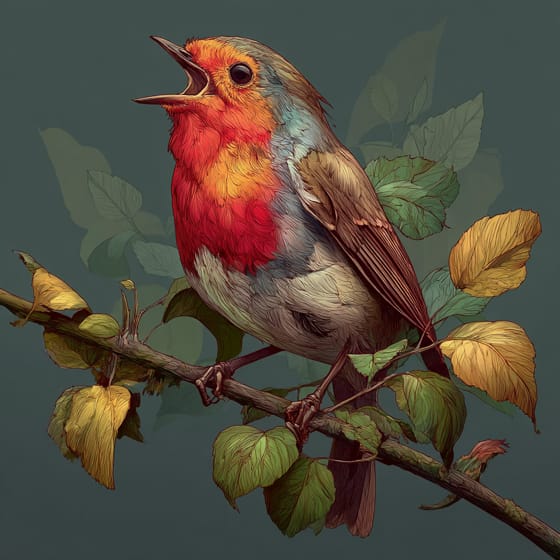
Turdus migratorius
Enjoys ripe, dark berries.
Ursus americanus
Feeds on sweet berries when available.
Didelphis virginiana
Opportunistically eats fallen or ripe berries.
Deciduous plants periodically shed all their leaves, typically during autumn or dry seasons.
A shrub is a woody plant smaller than a tree, typically with multiple stems branching from or near the ground.
Fruit-bearing plants produce fruits, which are the mature ovaries of flowering plants containing seeds.
Pertaining to plants that have stems covered with sharp, pointed projections for defense.

Edible plants are those parts of a plant that are considered safe for human consumption.

Coastal habitats are dynamic environments located along the interface between land and sea, influenced by tides, waves, and saltwater.
No aliases listed yet.
Danger
1/5 · Very low
Always wash the berries before eating them, and be careful of thorns on the bushes!
The easiest way to identify sand blackberry is to use the Snappit nature identifier app.
50-200 cm
100-300 cm
1-2 cm
Spring_to_early_summer
Yes
None
Perennial
Zoom in to split clusters and explore where this object has been snapped.
Recent snaps will appear here as new observations are added.
Take the discovery with you
Snap it with Snappit to identify it, learn what makes it special, and add the discovery to your collection.








.jpg&width=800)



_001.jpg&width=800)



