





wax-leaf ligustrum
Ligustrum japonicum
The wax-leaf ligustrum is a lovely shrub with shiny, green leaves. It can grow tall and is often used to make gardens beautiful and green all year round.
Habitat: Urban areas
The wax-leaf ligustrum has glossy, dark green oval leaves that look like they've been polished with wax, staying vibrant year-round. It often grows as a dense shrub or small tree, displaying upright clusters of small, fragrant white flowers followed by dark blue to black berries.
Category
PlantsRarity
Common
Danger
1/5 · Very low
Snaps
Be the first to snap!
Birds and animals safely eat its berries, but they are toxic to humans!
It can grow into a small tree or be easily trimmed into neat hedges.
Its shiny leaves help it shed water easily, keeping them clean!
This plant traveled from Asia to become a popular garden plant worldwide.
Wax-leaf ligustrum has tough, waxy leaves that stay green all year, helping it keep making food even in colder months.
Wax-leaf ligustrum can grow quickly and withstand many tough conditions, allowing it to thrive in different environments.
Wax-leaf ligustrum produces dark berries that attract hungry birds, helping to spread its seeds far and wide.
Wax-leaf ligustrum releases a strong, sweet scent from its white flowers, calling insects to help with pollination.
Apis mellifera
visits flowers for nectar
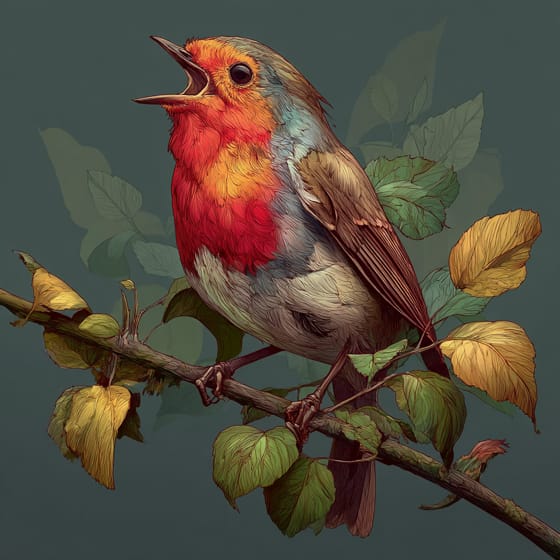
Turdus migratorius
eats its dark berries
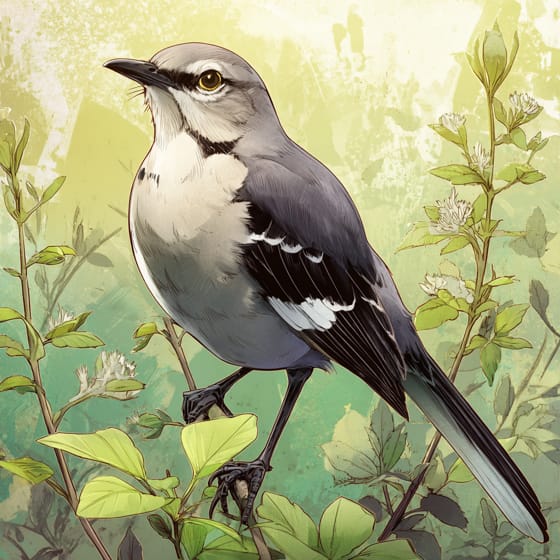
Mimus polyglottos
feeds on berries
Pseudococcus longispinus
sucks sap from leaves
Flowering plants are any plants that produce flowers as part of their reproductive cycle.
A shrub is a woody plant smaller than a tree, typically with multiple stems branching from or near the ground.
Evergreen plants retain their foliage throughout the year, never shedding all their leaves at once.
Fragrant flowers emit a pleasant aroma, often to attract pollinators or for defense.

Describes plants that are particularly attractive and beneficial to a wide range of pollinating organisms.

Rapid growing plants exhibit accelerated growth rates, quickly increasing in size and biomass within a short period.

This habitat trait indicates species that can coexist with humans in urban and suburban environments, utilizing man-made structures and green spaces.
No aliases listed yet.
Danger
1/5 · Very low
Always wash your hands after touching plants, just to be safe!
The easiest way to identify wax-leaf ligustrum is to use the Snappit nature identifier app.
200-400 cm
200-400 cm
0.5-1 cm
Late spring to early summer
No
Moderate
Perennial
Zoom in to split clusters and explore where this object has been snapped.
Recent snaps will appear here as new observations are added.
Take the discovery with you
Snap it with Snappit to identify it, learn what makes it special, and add the discovery to your collection.








.jpg&width=800)


_001.jpg&width=800)



