





sand cherry
Prunus pumila
The sand cherry is a small shrub that grows close to the ground. It has beautiful white flowers in spring and tasty dark cherries in summer that birds love to eat!
Habitat: Grasslands
The sand cherry is a low, spreading shrub with narrow, shiny green leaves. In spring, it bursts with clusters of tiny white flowers, later producing small, dark red to purplish-black cherries. Its distinctive low growth form stands out.
Category
PlantsRarity
Common
Danger
1/5 · Very low
Snaps
4
Its scientific name, Prunus pumila, means "dwarf plum"!
Native Americans historically used sand cherries for both food and medicine.
Some sand cherry plants can live for more than 30 years!
These tart cherries are perfect for making delicious pies and jams!
Sand cherry can thrive in sandy, dry soils that many plants avoid, helping it survive harsh conditions.
Sand cherry has deep, spreading roots that help it hold sandy soil in place, preventing erosion.
Sand cherry produces many small, tart cherries that ripen quickly, providing food for wildlife.
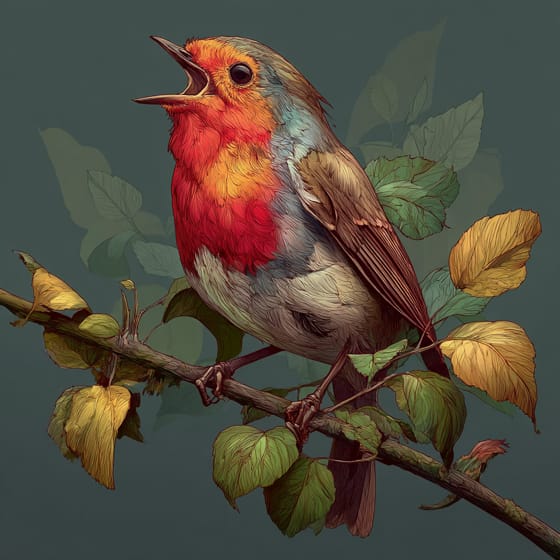
Turdus migratorius
eats the ripe cherries
Apis mellifera
collects nectar from flowers
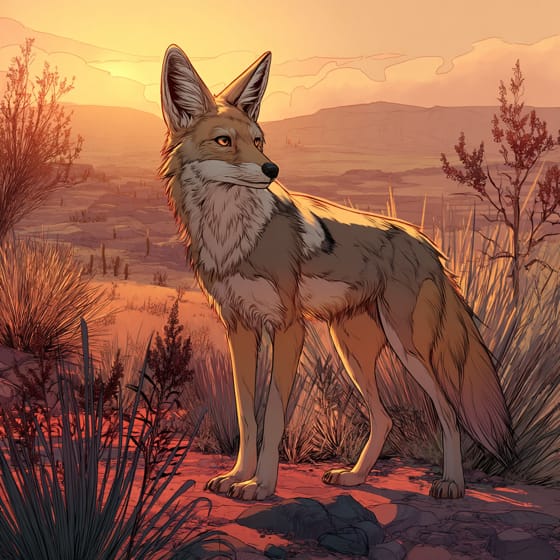
Canis latrans
eats fallen fruit for nutrition
Deciduous plants periodically shed all their leaves, typically during autumn or dry seasons.
A shrub is a woody plant smaller than a tree, typically with multiple stems branching from or near the ground.
Spring blooming plants produce their flowers during the spring season, often signifying the end of winter and the start of new growth.
Fruit-bearing plants produce fruits, which are the mature ovaries of flowering plants containing seeds.

A fruit tree is a perennial tree that produces fruit, which is edible to humans or animals.

Edible plants are those parts of a plant that are considered safe for human consumption.

Grassland habitats are terrestrial biomes dominated by grasses and herbaceous plants, supporting a variety of grazing animals.

Describes plants that are particularly attractive and beneficial to a wide range of pollinating organisms.
No aliases listed yet.
Danger
1/5 · Very low
Always ask an adult before picking or eating any wild fruit.
The easiest way to identify sand cherry is to use the Snappit nature identifier app.
30-180 cm
60-250 cm
0.8-1.5 cm
Spring
Yes
Mild
Perennial
Zoom in to split clusters and explore where this object has been snapped.
Take the discovery with you
Snap it with Snappit to identify it, learn what makes it special, and add the discovery to your collection.









.jpg&width=800)



_001.jpg&width=800)



