





Sanderling
Calidris alba
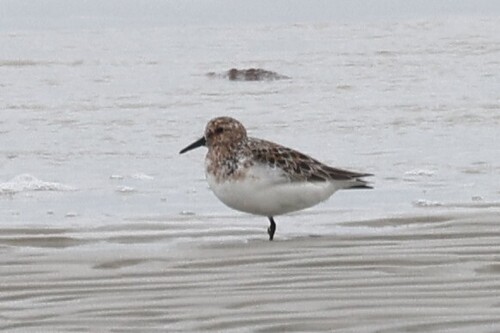
Sanderlings are small, lively birds that love to run along the beach. They have fluffy white feathers and are often seen chasing the waves as they search for tiny food in the sand.
Habitat: Coastal areas
The Sanderling is a small, plump shorebird with a short, stout black bill and black legs. In winter, it is strikingly pale grey above and pure white below, appearing almost ghost-like on sandy beaches. It lacks a hind toe, giving it a distinctive track and running style.
Category
BirdsRarity
Common
Danger
1/5 · Very low
Snaps
19
Sanderlings don't have a back toe, which helps them run super fast on the sand!
These birds gain a lot of weight before migration, sometimes doubling their body mass!
They travel from Arctic nesting sites to beaches as far south as South America!
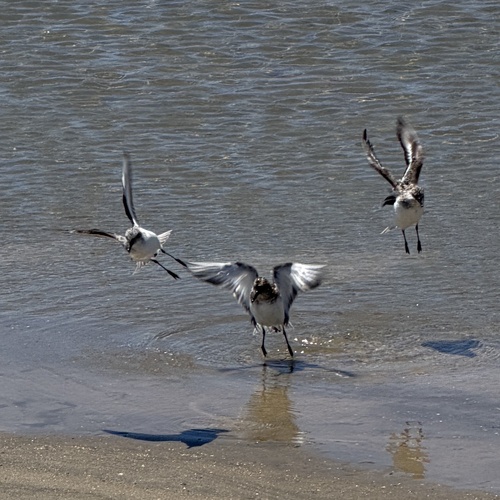
You can often spot a flock of Sanderlings running together, following the ocean waves.
Sanderling can dart quickly along the water's edge because of its streamlined body and rapid leg movements, helping them catch prey.
Sanderling has incredible endurance and navigation skills that help them migrate thousands of kilometers between breeding and wintering grounds.
Sanderling can efficiently probe wet sand with its sensitive bill, helping them find tiny invertebrates hidden beneath the surface.
Sanderlings mostly eat tiny ocean creatures they find buried in the sand or on the surface.
Haustorius canadensis
Sanderlings hunt this common sand flea along the shoreline.
Scoloplos armiger
This worm is a key food source for Sanderlings on many beaches.
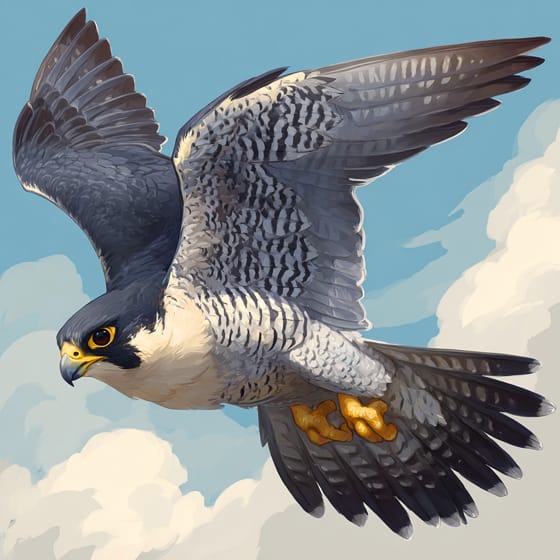
Falco peregrinus
Fast falcons hunt Sanderlings during their long migrations.
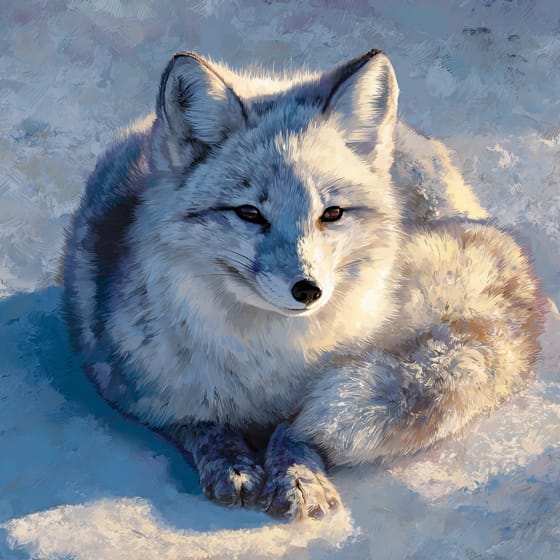
Vulpes lagopus
Arctic foxes raid Sanderling nests for eggs and young chicks.
Feathered describes animals, primarily birds, possessing a covering of feathers.
This trait identifies organisms whose diet primarily consists of insects and other small invertebrates.
Coastal habitats are dynamic environments located along the interface between land and sea, influenced by tides, waves, and saltwater.
This trait identifies organisms whose diet consists entirely or primarily of animal tissue.

This trait identifies organisms that exhibit exceptional swiftness in movement for hunting, escape, or travel.

Migratory animals undertake seasonal movements from one region to another, typically in response to changes in climate or food availability.
No aliases listed yet.
Danger
1/5 · Very low
Always watch birds from a distance and don't try to touch them.
The easiest way to identify Sanderling is to use the Snappit nature identifier app.
18-21 cm
36-39 cm
0.04-0.1 kg
3-13 years
55 km/h
Sanderlings mostly eat tiny ocean creatures they find buried in the sand or on the surface.
Coastal areas
Zoom in to split clusters and explore where this object has been snapped.
Jun 3, 2026
Bodie Island Lifesaving and Coast Guard StationPhoto attribution
(c) Conway Hawn, some rights reserved (CC BY)
License: CC BY 4.0 ↗
Image may be shown cropped inside the card frame.
Jun 2, 2026
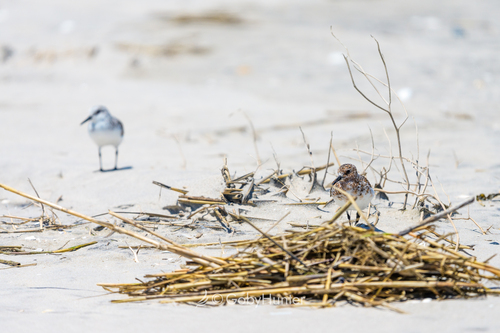
Stone Harbor Bird SanctuaryPhoto attribution
(c) GobyHunter, some rights reserved (CC BY)
License: CC BY 4.0 ↗
Image may be shown cropped inside the card frame.
May 25, 2026
Cape Charles Historic DistrictPhoto attribution
(c) Kathy Richardson, some rights reserved (CC BY)
License: CC BY 4.0 ↗
Image may be shown cropped inside the card frame.

US
You might spot Wharf Louse, Osprey, and Ruddy Turnstone.
View guide →

Illinois, US
You might spot Common Milkweed and Common Eastern Bumble Bee.
View guide →

Ohio, US
You might spot Sand Tiger Shark, Nurse Shark, and Cow.
View guide →

Nouvelle-Aquitaine, FR
You might spot Greater Flamingo, Giraffes, and Red Panda.
View guide →

Florida, US
You might spot Gorilla and Reticulated Giraffe.
View guide →
North Carolina, US
You might spot Sanderling, Laughing Gull, and Brown Pelican.
View guide →
Take the discovery with you
Snap it with Snappit to identify it, learn what makes it special, and add the discovery to your collection.




.jpg&width=800)








