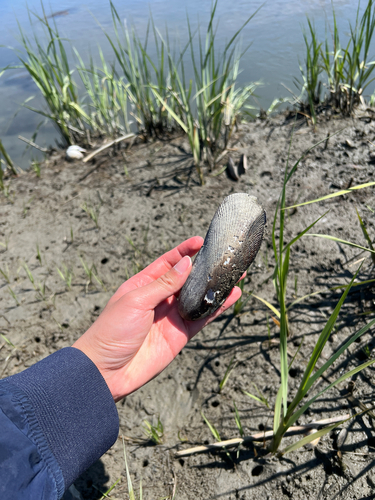
Horseshoe Crab

The Stone Harbor Bird Sanctuary offers a tranquil escape into New Jersey's coastal wilderness.
The Stone Harbor Bird Sanctuary offers a tranquil escape into New Jersey's coastal wilderness. This 21.5-acre preserve, designated a National Natural Landmark in 1965, protects a vital blend of maritime forests, freshwater wetlands, ancient dune systems, and saltwater marshes, showcasing the rich biodiversity of a barrier island ecosystem. As one of the few bird sanctuaries located entirely within municipal boundaries, it serves as a crucial natural haven amidst development, providing a serene environment for both wildlife and visitors.
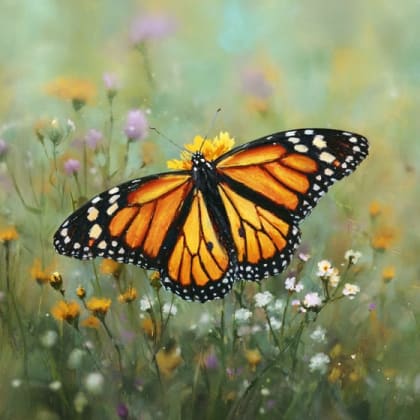
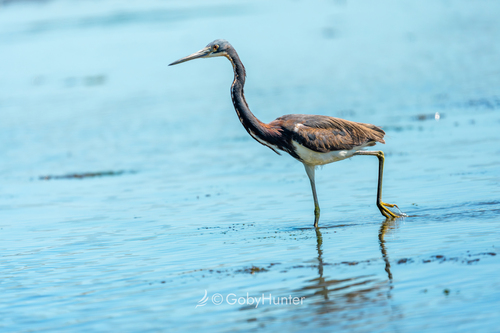
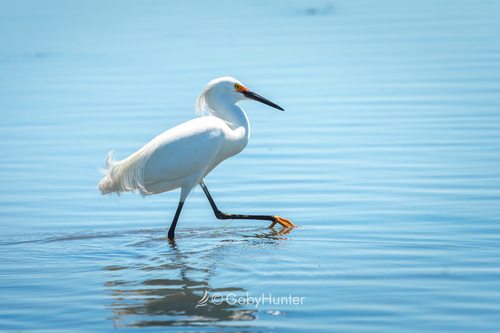
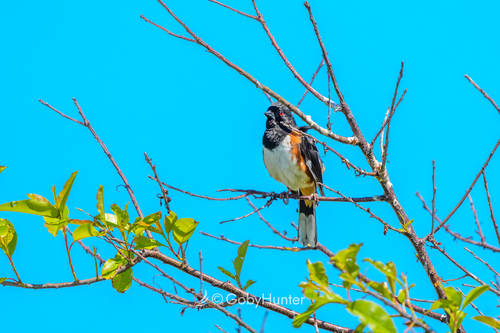
Visitors can explore the sanctuary through several accessible paths, including the Meadow Walk Path, Egret Espy Path, Heron Overlook Path, and Holly Path, each offering unique vantage points to observe diverse flora and fauna. Keep an eye out for majestic Ospreys soaring overhead, Great Egrets and Snowy Egrets gracefully wading in wetlands, or the striking Black-crowned and Yellow-crowned Night Herons, often roosting in trees near Paul's Pond. During spring and fall migrations, the sanctuary becomes a bustling stopover along the Atlantic Flyway, attracting a myriad of colorful warblers, such as the American Redstart and Black-throated Blue Warbler, alongside various songbirds, butterflies like Monarchs, and dragonflies.
A visit to the Stone Harbor Bird Sanctuary is a chance to reconnect with nature, offering well-maintained paths and quiet benches for contemplation. Whether you're an avid birder, a nature photographer, or simply seeking a peaceful retreat, the sanctuary's diverse habitats and abundant wildlife provide a memorable experience that highlights the importance of coastal conservation. Explore the grounds like a pro—download the Snappit app to instantly identify animals and plants.
The area now known as the Stone Harbor Bird Sanctuary was recognized as a "paradise of birds" as early as the 1870s, attracting large populations of herons and egrets. Concerns over plume hunters and egg collectors led to the formation of the Stone Harbor Bird Club in 1941, which was later renamed the Witmer Stone Club in honor of pioneering ornithologist Witmer Stone. This club championed the establishment of a protected area, leading to the official creation of the Stone Harbor Bird Sanctuary by local ordinance in 1947, initially preserving 31 acres. In 1961, after a scientific assessment, the sanctuary was refined to its current 21.5 acres, and in 1965, it earned the distinction of becoming New Jersey's first National Natural Landmark. However, by the late 1990s, the colonial nesting bird populations, which were once a hallmark of the sanctuary, drastically declined and almost disappeared due to site degradation, invasive plant species, and surrounding development. In response, a significant rejuvenation project began around 2005-2006, involving partnerships with organizations like The Wetlands Institute, to restore native habitats, manage invasive species, and improve conditions for nesting birds, efforts that continue today to enhance its ecological well-being.
Engage in birdwatching and nature photography, stroll along the wooded trails, observe reptiles and amphibians such as Eastern Box Turtles, and simply relax on one of the many benches while enjoying the peaceful ambiance. Guided tours led by knowledgeable docents from The Wetlands Institute are available, particularly in the summer, offering deeper insights into the sanctuary's ecology.
Spring: Witness the vibrant northbound migration as hundreds of bird species stop over to rest and refuel. Resident wildlife become more active.
Summer: The sanctuary is home to many nesting songbirds, and guided tours are typically offered. Note that Holly Path may have restricted access from March through October to protect nesting birds.
Fall: Experience the impressive southbound migration, with songbirds, warblers, raptors, and wading birds passing through. Monarch butterflies and migratory dragonflies are also abundant.
Winter: The sanctuary provides important wintering grounds for various songbirds.
The sanctuary features well-maintained, short walking paths that are generally easy to navigate for visitors of all ages. Benches are strategically placed along the trails for rest and quiet observation. There are multiple entrances to the sanctuary. Visitors should be aware that there are no restrooms or picnic facilities on-site.
Meadow Walk Path, Egret Espy Path, Heron Overlook Path, and Holly Path. Don't miss Paul's Pond, a freshwater spring-fed pond where various wading birds can be observed. The Wildflower Meadow offers a burst of color and attracts pollinators.
Each card links to a full Explore page with photos, traits, and fun facts.
Start with the big picture, then zoom in to explore individual wildlife observations around this place.
Visit during migration
** For the most diverse bird sightings, plan your trip during spring (March-May) or fall (September-October).
Go early or late
Birds are most active in the early morning and late afternoon, offering better viewing and photography opportunities.
Bring essentials
Pack binoculars for clearer views, wear comfortable walking shoes, and bring water, as there are no restrooms or picnic facilities on site.
Stay on trails and be quiet
To minimize disturbance to wildlife, especially nesting birds, remain on marked paths and keep voices low, particularly between March and October.
Utilize technology
Download a bird identification app like Merlin to help identify the various species you encounter.
Check for updates
Consult the Stone Harbor Bird Sanctuary's website or local visitor centers for any seasonal closures or tour schedules before your visit.
Jun 2, 2026
Photo attribution
(c) GobyHunter, some rights reserved (CC BY)
License: CC BY 4.0 ↗
Image may be shown cropped inside the card frame.
Jun 2, 2026
Photo attribution
(c) GobyHunter, some rights reserved (CC BY)
License: CC BY 4.0 ↗
Image may be shown cropped inside the card frame.
Jun 2, 2026
Photo attribution
(c) GobyHunter, some rights reserved (CC BY)
License: CC BY 4.0 ↗
Image may be shown cropped inside the card frame.
Jun 2, 2026
Photo attribution
(c) GobyHunter, some rights reserved (CC BY)
License: CC BY 4.0 ↗
Image may be shown cropped inside the card frame.
Jun 2, 2026
Photo attribution
(c) GobyHunter, some rights reserved (CC BY)
License: CC BY 4.0 ↗
Image may be shown cropped inside the card frame.

Maryland, US
You might spot White-Tailed Deer and Eastern Gray Squirrel.
View guide →
.jpg)
District of Columbia, US
You might spot Eastern Gray Squirrel, Duck, and House Sparrow.
View guide →

Illinois, US
You might spot American Robin, Canada Goose, and House Sparrow.
View guide →

Virginia, US
You might spot Spotted Lanternfly and Northern Cardinal.
View guide →
Take the discovery with you
Identify the wildlife you spot, learn as you go, and keep a collection of the adventure.