_female.JPG&width=800)





Yellow-bellied Sapsucker
Sphyrapicus varius
The Yellow-bellied Sapsucker is a special woodpecker with a bright yellow belly! They make holes in trees to drink the sweet sap inside. You can often hear their funny tapping sounds in the forest.
Habitat: Forests
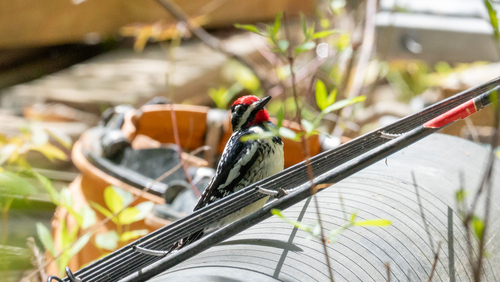
The Yellow-bellied Sapsucker has a distinctive black and white barred back, a bold white stripe on its folded wing, and a red cap. Males also feature a bright red throat, contrasting with the yellowish wash on its belly.
Category
BirdsRarity
Common
Danger
1/5 · Very low
Snaps
28
A sapsucker's drumming isn't just for food; it's a unique language used to attract mates and mark territory!
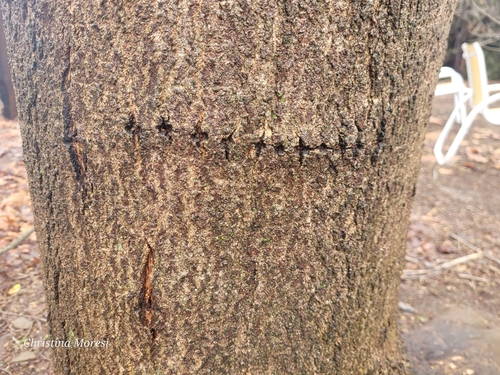
Look for trees with rows of small, square holes; that's a sign a Yellow-bellied Sapsucker has been dining there!
These birds drill "sap wells" that other animals, like hummingbirds and squirrels, visit for a sugary snack!
They don't just eat sap! Baby sapsuckers are fed insects, fruit, and even a little sap to help them grow.
Yellow-bellied Sapsucker can create neat rows of shallow holes in tree bark because it provides a steady flow of nutritious sap.
Yellow-bellied Sapsucker has a specialized brush-tipped tongue that helps it lap up tree sap efficiently from its sap wells.
Yellow-bellied Sapsucker can excavate new nest cavities annually that provide homes for other forest creatures.
Feeds mainly on tree sap, collected from its own drilled holes, supplemented with insects and fruits.
Age differences: Young birds are fed mostly insects and fruit, gradually switching to a sap-heavy diet.
Feathered describes animals, primarily birds, possessing a covering of feathers.
Social animals live in organized groups, cooperating for survival benefits such as foraging, defense, and raising offspring.
Singing animals produce complex vocalizations, often for purposes of attracting mates, defending territory, or communicating within their species.
This trait characterizes organisms whose diet consists entirely or primarily of plant material.

Forest habitats are terrestrial environments dominated by dense tree cover, supporting a high diversity of plant and animal life.

Diurnal animals are primarily active during daylight hours, typically resting or sleeping at night.

Describes a species whose presence and role have a disproportionately large effect on its environment.

Migratory animals undertake seasonal movements from one region to another, typically in response to changes in climate or food availability.
No aliases listed yet.
Danger
1/5 · Very low
Enjoy watching birds from a distance and don't disturb their nests.
The easiest way to identify Yellow-bellied Sapsucker is to use the Snappit nature identifier app.
19-21 cm
34-40 cm
0.043-0.055 kg
4-7 years
55 km/h
Feeds mainly on tree sap, collected from its own drilled holes, supplemented with insects and fruits.
Forests
Zoom in to split clusters and explore where this object has been snapped.
May 23, 2026
Harraseeket Historic DistrictPhoto attribution
no rights reserved
License: CC0 1.0 ↗
Image may be shown cropped inside the card frame.
May 9, 2026
Hudson Falls Historic DistrictPhoto attribution
(c) Lythronax246, some rights reserved (CC BY)
License: CC BY 4.0 ↗
Image may be shown cropped inside the card frame.
May 4, 2026
South Windham Village Historic DistrictPhoto attribution
no rights reserved
License: CC0 1.0 ↗
Image may be shown cropped inside the card frame.
Apr 18, 2026
Norway Historic DistrictPhoto attribution
(c) Dawn Nelson, some rights reserved (CC BY)
License: CC BY 4.0 ↗
Image may be shown cropped inside the card frame.
Mar 4, 2026
Fox Chase FarmPhoto attribution
(c) Christina Moresi, some rights reserved (CC BY)
License: CC BY 4.0 ↗
Image may be shown cropped inside the card frame.
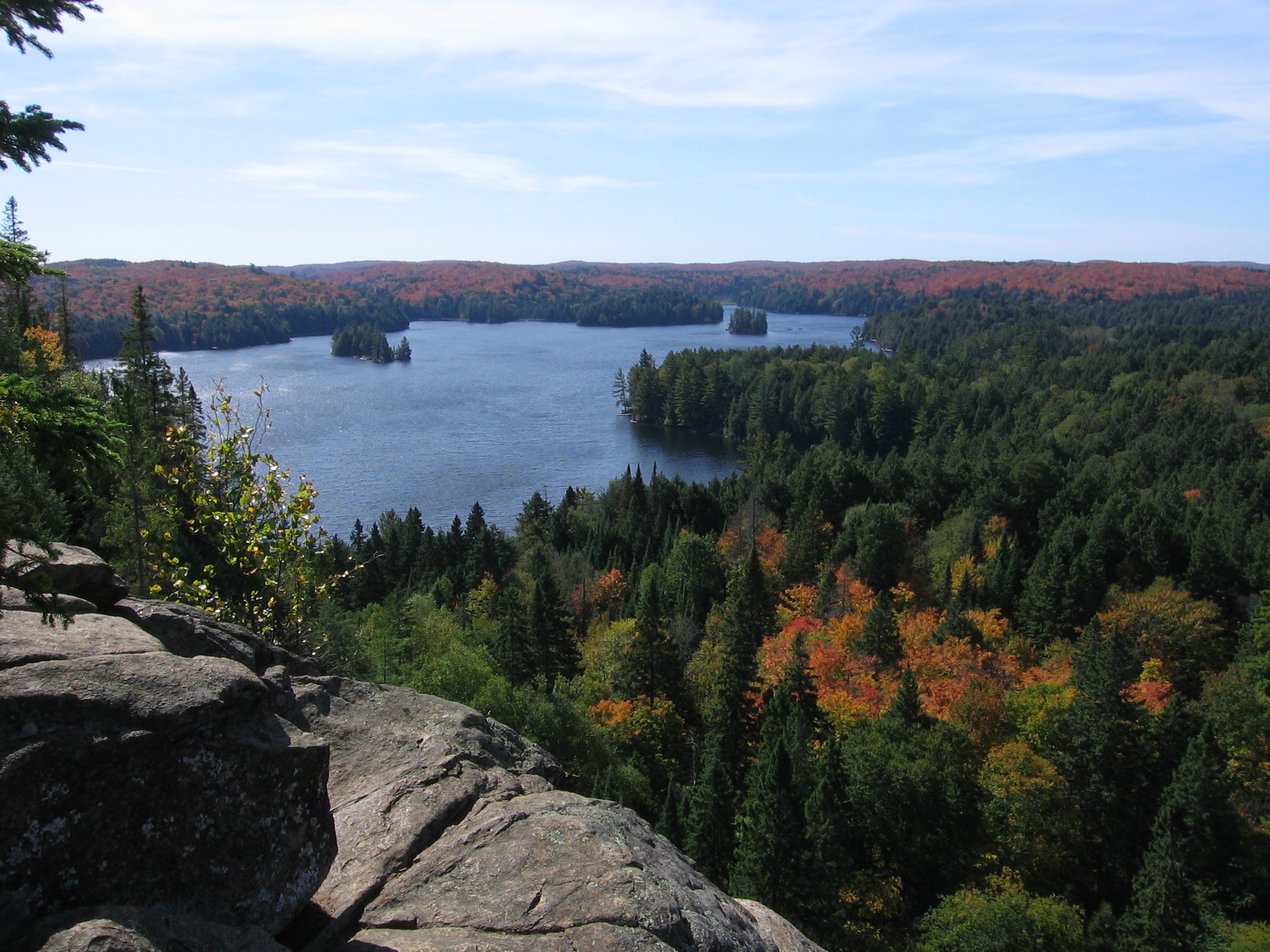
Ontario, CA
You might spot Canada Jay, American Beaver, and Black-Capped Chickadee.
View guide →
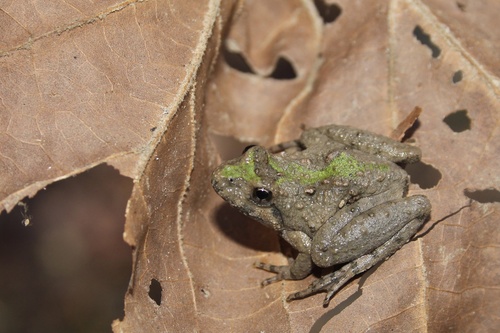
Maryland, US
You might spot Northern Cricket Frog and Common Whitetail.
View guide →

Georgia, US
You might spot Baldcypress, Anole, and American Alligator.
View guide →

Alabama, US
You might spot Painted Bunting, House Finch, and Red-Shouldered Hawk.
View guide →

Pennsylvania, US
You might spot Canada Goose, American Robin, and Red-Winged Blackbird.
View guide →

Michigan, US
You might spot Bladder Campion, Bearberry, and Common Milkweed.
View guide →
Take the discovery with you
Snap it with Snappit to identify it, learn what makes it special, and add the discovery to your collection.






.jpg&width=800)






