





Scissor-tailed Flycatcher
Tyrannus forficatus
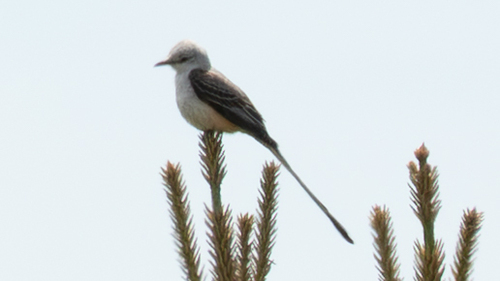
The Scissor-tailed Flycatcher is a beautiful bird with long, forked tail feathers. They love to catch insects in the air and can often be seen perched on fences or wires.
Habitat: Grasslands
The Scissor-tailed Flycatcher has a sleek white and gray body, with salmon-pink flanks and underwing linings. Its most distinctive feature is its incredibly long, deeply forked black tail, which can be twice the length of its body.
Category
BirdsRarity
Common
Danger
1/5 · Very low
Snaps
13
Sometimes, they pluck insects right from spiderwebs!
Their tails can grow almost twice as long as their bodies!
These birds migrate over 3,000 kilometers every year!
They bravely chase away much bigger birds of prey!
Scissor-tailed Flycatcher can perform mid-air flips and dives because of its long tail, helping them snatch insects on the wing.
Scissor-tailed Flycatcher has a super-long forked tail that helps them steer precisely while chasing down fast-flying prey.
Scissor-tailed Flycatcher can fly thousands of kilometers each year, thanks to its efficient wing shape, to find warm winter homes.
These birds are bug-eating experts, zipping through the air to catch flying insects!
Musca domestica
Primary prey item, caught in flight.
Schistocerca americana
Eats many types of large insects like grasshoppers.
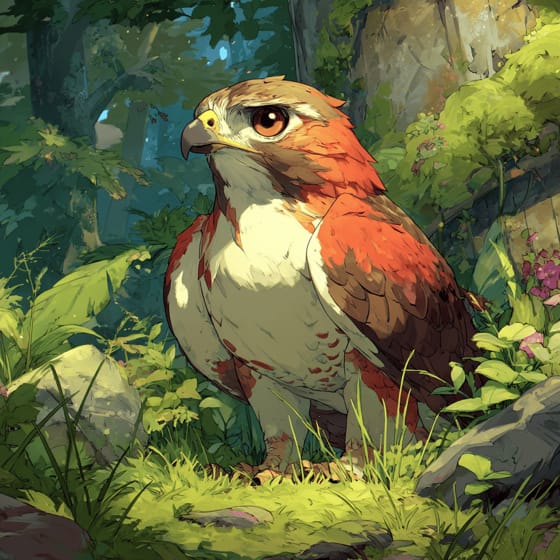
Buteo jamaicensis
Large birds of prey occasionally hunt flycatchers.

Quercus virginiana
Nests are often built in the branches of oak trees.
.jpg&width=800)
Molothrus ater
Known host of parasitic cowbird eggs.
Feathered describes animals, primarily birds, possessing a covering of feathers.
Aerial creatures spend a significant portion of their lives airborne, utilizing flight for various activities such as hunting, migration, or nesting.
Singing animals produce complex vocalizations, often for purposes of attracting mates, defending territory, or communicating within their species.
Colorful describes organisms or objects displaying a wide range of bright and distinct colors.

Grassland habitats are terrestrial biomes dominated by grasses and herbaceous plants, supporting a variety of grazing animals.

This trait identifies organisms whose diet primarily consists of insects and other small invertebrates.

Diurnal animals are primarily active during daylight hours, typically resting or sleeping at night.

Migratory animals undertake seasonal movements from one region to another, typically in response to changes in climate or food availability.
Danger
1/5 · Very low
Enjoy watching birds from a distance and don't try to touch them.
The easiest way to identify Scissor-tailed Flycatcher is to use the Snappit nature identifier app.
30-40 cm
38-41 cm
0.035-0.05 kg
2-8 years
45 km/h
These birds are bug-eating experts, zipping through the air to catch flying insects!
Grasslands
Zoom in to split clusters and explore where this object has been snapped.
Jun 8, 2026
Pennellville Historic DistrictPhoto attribution
no rights reserved
License: CC0 1.0 ↗
Image may be shown cropped inside the card frame.

Maine, US
You might spot Pink Lady's Slipper, Wood Lily, and Great Blue Heron.
View guide →

Texas, US
You might spot Question Mark, Buttonbush, and Pomegranate.
View guide →

Texas, US
You might spot Giraffes, African Lion, and Eastern Black Rhinoceros.
View guide →

Oklahoma, US
You might spot Bull Shark and Loggerhead Sea Turtle.
View guide →

South Carolina, US
You might spot Scissor-Tailed Flycatcher and Eastern Box Turtle.
View guide →
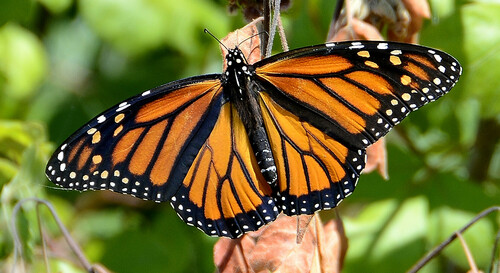
Oklahoma, US
You might spot Monarch, Duck, and American Bumble Bee.
View guide →
Take the discovery with you
Snap it with Snappit to identify it, learn what makes it special, and add the discovery to your collection.




.jpg&width=800)







