





Western Capercaillie
Tetrao urogallus
The Western Capercaillie is a large, beautiful bird found in forests. Males are known for their impressive courtship displays, puffing up their feathers to attract females. They are shy and prefer to stay hidden among the trees.
Habitat: Forests
The Western Capercaillie is a very large ground-dwelling bird. Males are striking with glossy dark plumage, a metallic green breast, and bright red eyebrows, contrasting with the smaller, camouflaged mottled brown females.
Category
BirdsRarity
Common
Danger
1/5 · Very low
Snaps
Be the first to snap!
Capercaillie chicks can fly short distances just two weeks after hatching!
It's Europe's largest grouse, often called the "King of the Forest."
Males perform a dramatic "lekking" dance to impress females.
Their strong claws help them walk easily over deep snow.
Western Capercaillie males can make a series of gurgling and booming sounds that helps them attract mates.
Western Capercaillie has specialized gut bacteria that allows them to digest tough conifer needles in winter.
Western Capercaillie has mottled brown and black plumage that helps them blend perfectly into dense forest undergrowth.
They mainly eat conifer needles, buds, and shoots, but also enjoy berries and insects in summer.
Age differences: Chicks eat mostly insects, gradually shifting to a plant-based diet as they grow.
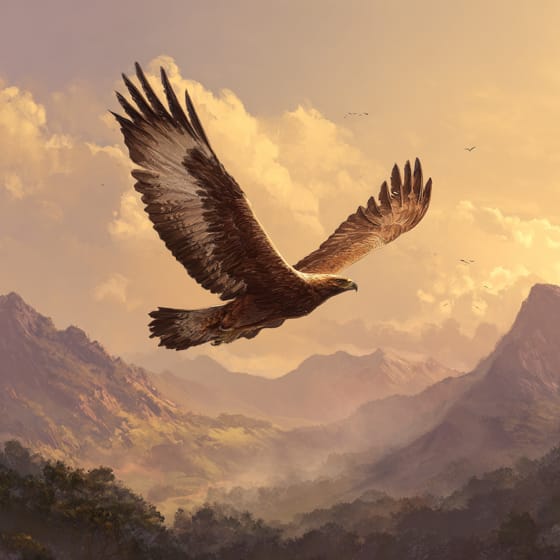
Aquila chrysaetos
Adult capercaillie can be hunted by this powerful raptor.
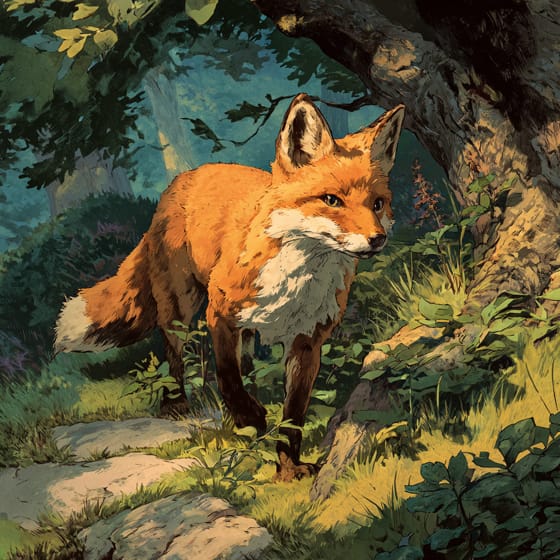
Vulpes vulpes
Predates on capercaillie eggs, chicks, and sometimes adults.
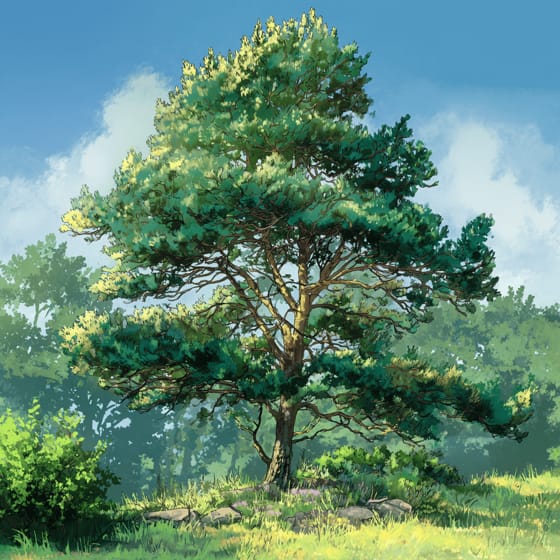
Pinus sylvestris
Provides essential food (needles) and shelter, especially in winter.
Vaccinium myrtillus
Their berries and leaves are a vital food source in summer.
Feathered describes animals, primarily birds, possessing a covering of feathers.
Crested describes animals possessing a prominent tuft of feathers, hair, or skin on their head.
Solitary animals live alone for most of their lives, only interacting with others for mating or parental care.
Singing animals produce complex vocalizations, often for purposes of attracting mates, defending territory, or communicating within their species.

Colorful describes organisms or objects displaying a wide range of bright and distinct colors.

This trait characterizes organisms whose diet consists entirely or primarily of plant material.

Forest habitats are terrestrial environments dominated by dense tree cover, supporting a high diversity of plant and animal life.

Diurnal animals are primarily active during daylight hours, typically resting or sleeping at night.

Threatened status denotes a species likely to become endangered in the foreseeable future without effective conservation interventions.
No aliases listed yet.
Danger
1/5 · Very low
If you see a bird in the wild, it's best to watch quietly from a distance.
The easiest way to identify Western Capercaillie is to use the Snappit nature identifier app.
54-90 cm
70-125 cm
1.5-6.7 kg
6-8 years
60 km/h
They mainly eat conifer needles, buds, and shoots, but also enjoy berries and insects in summer.
Forests
Zoom in to split clusters and explore where this object has been snapped.
Recent snaps will appear here as new observations are added.
Take the discovery with you
Snap it with Snappit to identify it, learn what makes it special, and add the discovery to your collection.




.jpg&width=800)






