




Seaside Rover Ant
Brachymyrmex obscurior
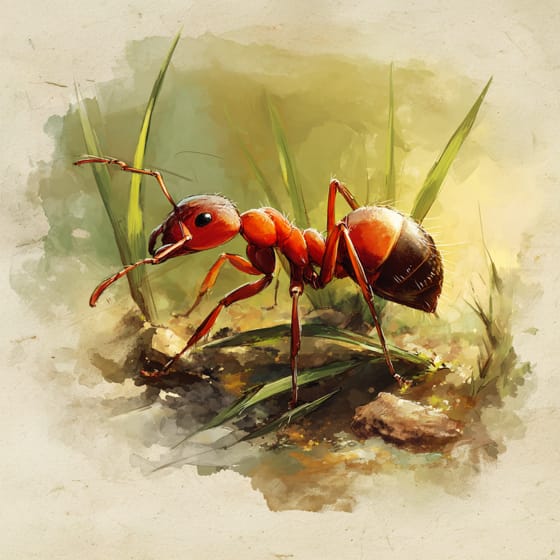
The Seaside Rover Ant is a tiny ant that loves to explore sandy beaches and coastal areas. They work together in groups to find food and build their homes in the sand.
Habitat: Coastal areas
The Seaside Rover Ant is a tiny, dark brown to black ant with a glossy, compact body. Its small size, typically 1-3mm, makes it easily mistaken for a moving speck of dirt on sandy surfaces, appearing shiny under sunlight.
Category
InsectsRarity
Common
Danger
1/5 · Very low
Snaps
Be the first to snap!
A single colony of these ants can be home to thousands of workers!
Seaside Rover Ants don't sting, but they can spray a tiny defensive chemical!
These ants are so tiny, many can fit on a single grain of sand!
They use invisible scent trails, like tiny maps, to find their way home!
Seaside Rover Ant can withstand salty coastal environments because of specialized cuticles that help them thrive near the ocean.
Seaside Rover Ant has quick, nimble legs that help them move rapidly and escape predators across loose, hot sand.
Seaside Rover Ant can dig intricate tunnels quickly because of strong mandibles that help them create safe underground nests.
These tiny ants are omnivores, feasting on sweet honeydew, nectar, and small dead insects they find.
Aphis gossypii
Ants collect honeydew, a sugary waste product.
Solenopsis invicta
Larger, more aggressive ants often prey on them.
Tetranychus urticae
Preys on tiny arthropods for protein.
Social animals live in organized groups, cooperating for survival benefits such as foraging, defense, and raising offspring.
This trait identifies organisms whose diet includes both plant and animal matter.
Scavengers consume dead organic matter, helping to decompose carcasses and other waste in the ecosystem.
Burrowing animals dig tunnels and chambers in the ground, using these subterranean structures for shelter, hunting, or breeding.

Describes organisms that break down dead organic material, recycling nutrients back into the ecosystem.

Coastal habitats are dynamic environments located along the interface between land and sea, influenced by tides, waves, and saltwater.

Pertaining to species that are significantly smaller than typical or average for their kind.

This trait identifies organisms that exhibit exceptional swiftness in movement for hunting, escape, or travel.
No aliases listed yet.
Danger
1/5 · Very low
Be careful not to step on ants when playing on the beach!
The easiest way to identify Seaside Rover Ant is to use the Snappit nature identifier app.
1-3 mm
60-180 days
These tiny ants are omnivores, feasting on sweet honeydew, nectar, and small dead insects they find.
Coastal areas
Foraging
6
5000
Zoom in to split clusters and explore where this object has been snapped.
Recent snaps will appear here as new observations are added.
Take the discovery with you
Snap it with Snappit to identify it, learn what makes it special, and add the discovery to your collection.









.jpg&width=800)




