





seep monkeyflower
Erythranthe guttata
The seep monkeyflower is a pretty flower that loves to grow near water. Its bright yellow and orange blooms attract butterflies and bees, making it a happy spot for nature lovers!
Habitat: Wetlands
The seep monkeyflower has bright yellow, tubular flowers with prominent red or maroon spots, resembling a grinning face. Its smooth stems grow upright, often in clusters, from green, oval leaves, creating a vibrant display.
Category
PlantsRarity
Common
Danger
1/5 · Very low
Snaps
4
If you touch its stigma, it can snap shut in seconds to catch pollen from visiting insects!
Its scientific name, 'guttata,' means 'spotted,' just like its flowers!
Some people use its peppery-tasting leaves to add a unique kick to salads!
The flower's shape looks a bit like a monkey's face, giving it its fun common name!
Seep monkeyflower can grow even when its roots are underwater, thanks to special adaptations helping it breathe in soggy soil.
Seep monkeyflower has vibrant red spots inside its petals that act like a runway, guiding bees straight to its nectar.
Seep monkeyflower produces tiny seeds that can float on water, allowing new plants to sprout far downstream from the parent.
Apis mellifera
collects nectar and pollen, aiding reproduction
Bombus melanopygus
efficiently transfers pollen between flowers
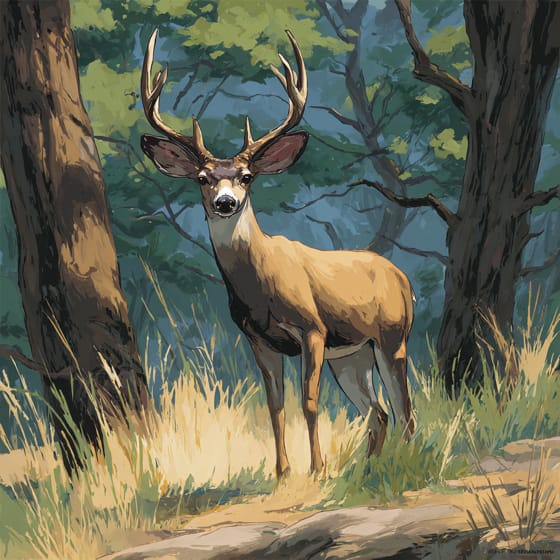
Odocoileus hemionus
leaves and stems may be browsed by hungry deer
Aromatic plants produce and emit fragrant volatile organic compounds, often for defense or to attract pollinators.
Flowering plants are any plants that produce flowers as part of their reproductive cycle.
Summer blooming plants produce their flowers during the summer season, often providing vibrant color when many other plants have finished.
Fragrant flowers emit a pleasant aroma, often to attract pollinators or for defense.

Colorful describes organisms or objects displaying a wide range of bright and distinct colors.

Describes plants that are particularly attractive and beneficial to a wide range of pollinating organisms.

This habitat trait identifies species found in wetlands, which are areas of land saturated with water, either permanently or seasonally, including marshes, swamps, and bogs.
No aliases listed yet.
Danger
1/5 · Very low
Always look but don't pick flowers. They are important for nature!
The easiest way to identify seep monkeyflower is to use the Snappit nature identifier app.
10-80 cm
20-40 cm
2-4 cm
Late Spring to Fall
Yes
None
Perennial
Zoom in to split clusters and explore where this object has been snapped.

California, US
You might spot Western Fence Lizard and California Brittlebush.
View guide →

California, US
You might spot Western Fence Lizard, Duck, and California Brittlebush.
View guide →

California, US
You might spot Pacific Madrone and Pacific Bleeding Heart.
View guide →

California, US
You might spot Elk, Northern Elephant Seal, and Button's Banana Slug.
View guide →

California, US
You might spot Ant, Chimpanzee, and African Lion.
View guide →
Take the discovery with you
Snap it with Snappit to identify it, learn what makes it special, and add the discovery to your collection.








.jpg&width=800)


_001.jpg&width=800)




