.jpg&width=800)





striped maple
Acer pensylvanicum
The striped maple is a small tree with beautiful green leaves and unique striped bark. It loves to grow in shady forests and is a great home for many animals.
Habitat: Forests
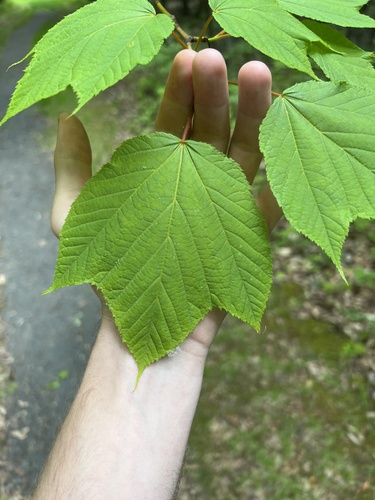
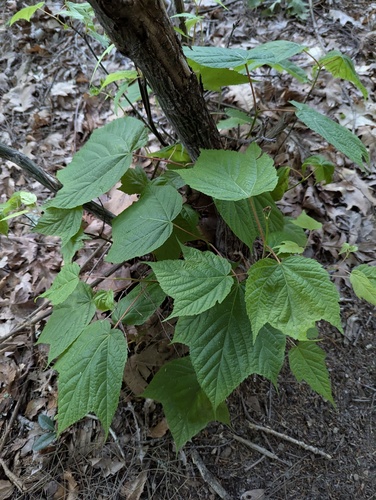
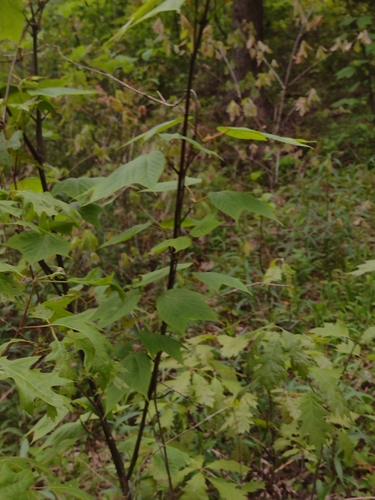
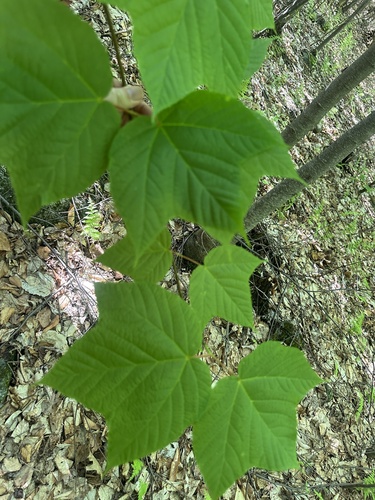
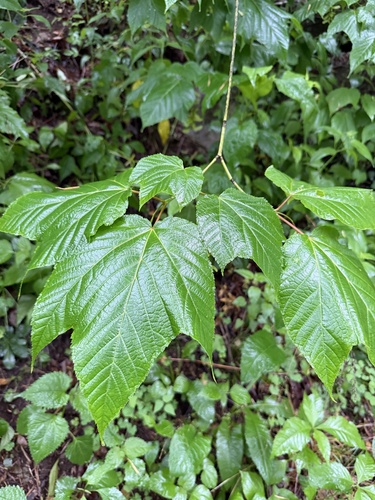
The striped maple is a slender, understory tree easily identified by its smooth, green bark adorned with distinctive white or pale stripes. It has large, three-lobed leaves often compared to a goose's foot, which turn vibrant yellow in autumn. Its overall appearance is quite unique among North American maples.
Category
PlantsRarity
Common
Danger
1/5 · Very low
Snaps
37
Indigenous peoples used parts of the striped maple for food and to make various tools or crafts!
Its scientific name, 'pensylvanicum,' means 'from Pennsylvania,' where it was first documented!
Some people call this tree 'goosefoot maple' because its large leaves look like a goose's foot!
The unique 'helicopter' seeds spin as they fall, helping them travel far from the parent tree!
Striped maple has smooth, green-striped bark that can perform photosynthesis, helping it create energy even before its leaves unfurl in spring.
The striped maple can thrive in deep forest shade, using its broad leaves to capture what little sunlight filters through the canopy.
Striped maple has sap that flows early in spring, allowing animals like moose to gain vital nutrients when other food is scarce.
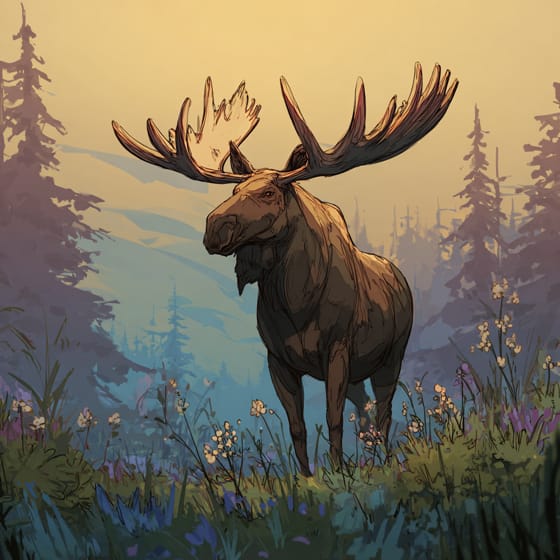
Alces alces
Browses on young twigs, leaves, and bark, especially in winter.
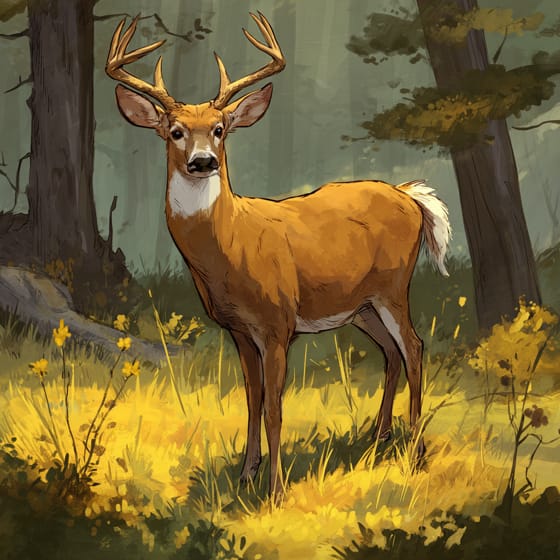
Odocoileus virginianus
Forages on tender leaves and shoots, especially new growth.

Vespula maculifrons
Visits the small, greenish-yellow flowers for nectar and pollen.
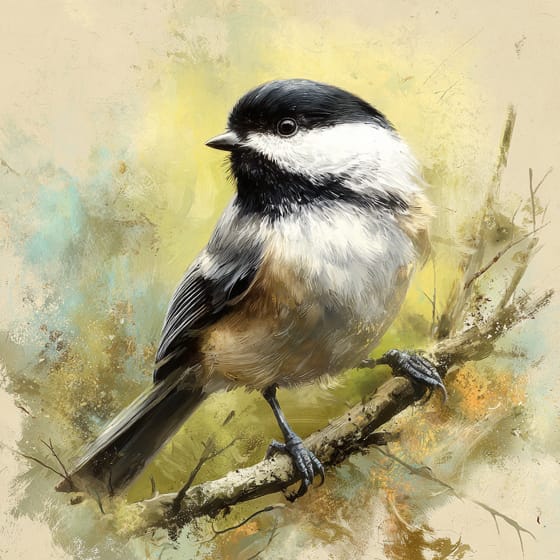
Parus atricapillus
Uses its branches for perching, nesting, and foraging for insects.
Marked with parallel bands or lines of color.
Deciduous plants periodically shed all their leaves, typically during autumn or dry seasons.
Shade tolerant plants are adapted to grow and thrive in areas with low light levels, requiring less direct sunlight.
Broadleaf trees are angiosperms characterized by flat, wide leaves that are typically shed annually in temperate climates.

Edible plants are those parts of a plant that are considered safe for human consumption.

Fall color refers to the seasonal change in foliage pigmentation, primarily in deciduous plants, displaying vibrant hues.

Forest habitats are terrestrial environments dominated by dense tree cover, supporting a high diversity of plant and animal life.
Danger
1/5 · Very low
Stay on paths when exploring forests and don't touch plants without asking an adult.
The easiest way to identify striped maple is to use the Snappit nature identifier app.
500-1500 cm
300-800 cm
0.5-1 cm
Spring
Yes
None
Perennial
Zoom in to split clusters and explore where this object has been snapped.
Jun 1, 2026
High PointPhoto attribution
no rights reserved
License: CC0 1.0 ↗
Image may be shown cropped inside the card frame.
May 30, 2026
East Granby Historic DistrictPhoto attribution
no rights reserved
License: CC0 1.0 ↗
Image may be shown cropped inside the card frame.
May 27, 2026
Bald Eagle State ForestPhoto attribution
(c) Cecil Smith, some rights reserved (CC BY)
License: CC BY 4.0 ↗
Image may be shown cropped inside the card frame.
May 26, 2026
Silver Lake DistrictPhoto attribution
(c) Jaime McGuigan, some rights reserved (CC BY)
License: CC BY 4.0 ↗
Image may be shown cropped inside the card frame.
May 24, 2026
Andrews GeyserPhoto attribution
(c) Terry Loeb, some rights reserved (CC BY)
License: CC BY 4.0 ↗
Image may be shown cropped inside the card frame.

Pennsylvania, US
You might spot Mountain Laurel, Ghost Pipe, and Sweetfern.
View guide →

Connecticut, US
You might spot Green Frog and Mountain Laurel.
View guide →

Maine, US
You might spot American Bullfrog and Three-Toothed Cinquefoil.
View guide →

Connecticut, US
You might spot Common Mugwort and Canada Goose.
View guide →

Maine, US
You might spot Ghost Pipe, Pink Lady's Slipper, and Bluebead Lily.
View guide →

Connecticut, US
You might spot Common Mugwort, Canada Goose, and American Herring Gull.
View guide →
Take the discovery with you
Snap it with Snappit to identify it, learn what makes it special, and add the discovery to your collection.







.jpg&width=800)


_001.jpg&width=800)


