





Shadow Darner
Aeshna umbrosa
The Shadow Darner is a beautiful dragonfly that loves to fly around in shady areas near water. Its wings are long and colorful, making it a lovely sight to see as it zooms by!
Habitat: Wetlands
The Shadow Darner is a large dragonfly with a dark body, usually black or deep brown, adorned with bright blue or green spots and stripes. Its large compound eyes are often bluish-green, and the thorax can appear dusted with white. These distinct markings help differentiate it from other darner species.
Category
InsectsRarity
Common
Danger
1/5 · Very low
Snaps
2
Dragonflies are one of the oldest insect groups, flying since the age of dinosaurs!
Its powerful jaws can crush the hard shells of other insects in an instant!
They can hover in place like tiny helicopters, then dart away at incredible speed!
Wow, Shadow Darner larvae live underwater for years before becoming adult dragonflies!
Shadow Darner can chase and catch fast-moving prey mid-flight due to its independent wing control and powerful flight muscles.
Shadow Darner has enormous compound eyes that provide a nearly complete panoramic view, helping it detect threats and prey from all directions.
Shadow Darner can fly silently and blend into dim light conditions, allowing it to ambush unsuspecting insects at dawn or dusk.
This skilled hunter eats other insects, helping keep pesky bugs away from ponds and wetlands!
Age differences: Larvae (nymphs) are also predatory, eating aquatic insects and sometimes tadpoles.
Aedes aegypti
eats larvae and adults
Musca domestica
consumes adult flies
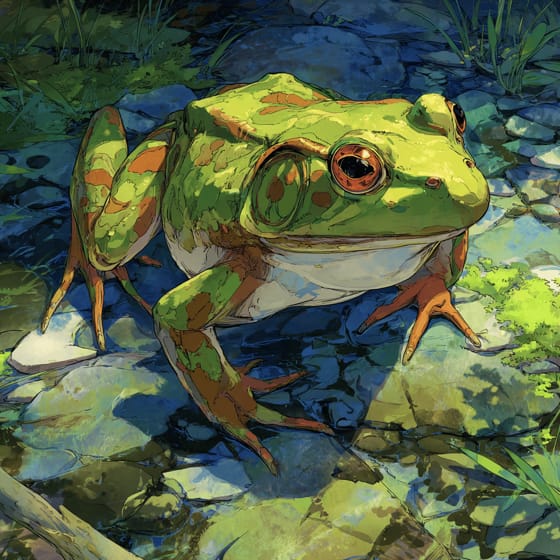
Rana catesbeiana
larvae and adults are prey
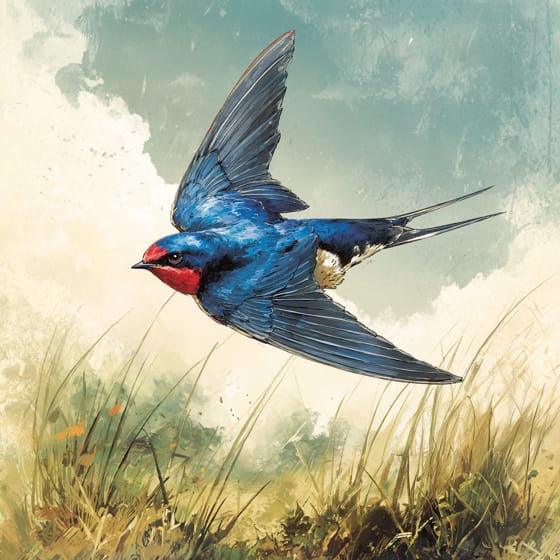
Hirundo rustica
adult dragonflies are prey
Solitary animals live alone for most of their lives, only interacting with others for mating or parental care.
Aerial creatures spend a significant portion of their lives airborne, utilizing flight for various activities such as hunting, migration, or nesting.
Colorful describes organisms or objects displaying a wide range of bright and distinct colors.
This trait identifies organisms whose diet primarily consists of insects and other small invertebrates.

This habitat trait identifies species found in wetlands, which are areas of land saturated with water, either permanently or seasonally, including marshes, swamps, and bogs.

Diurnal animals are primarily active during daylight hours, typically resting or sleeping at night.

Freshwater habitats include non-saline aquatic environments such as rivers, lakes, ponds, and wetlands, vital for numerous species.

This trait identifies organisms that exhibit exceptional swiftness in movement for hunting, escape, or travel.

Describes organisms that transfer pollen, enabling the fertilization and reproduction of plants.
No aliases listed yet.
Danger
1/5 · Very low
Always watch dragonflies from a distance and don't try to catch them.
The easiest way to identify Shadow Darner is to use the Snappit nature identifier app.
80-100 mm
60-70 mm
30-60 days
40 km/h
This skilled hunter eats other insects, helping keep pesky bugs away from ponds and wetlands!
Wetlands
Pursuit
Zoom in to split clusters and explore where this object has been snapped.

New York, US
You might spot American Toad and Purple Pitcher Plant.
View guide →

Connecticut, US
You might spot Common Eastern Bumble Bee and Red-Tailed Hawk.
View guide →
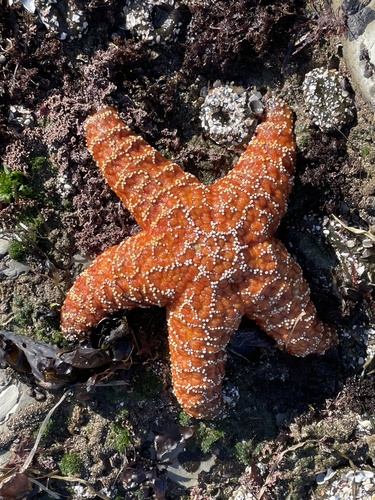
British Columbia, CA
You might spot Ochre Sea Star, Fringe Cups, and Moonglow Anemone.
View guide →
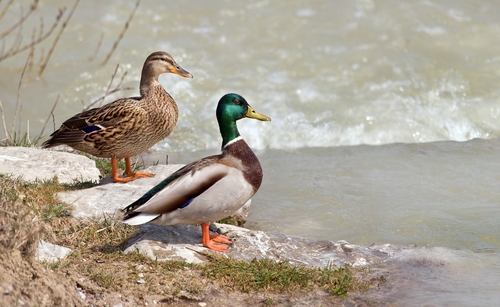
Washington, US
You might spot Duck, American Tuliptree, and Great Blue Heron.
View guide →
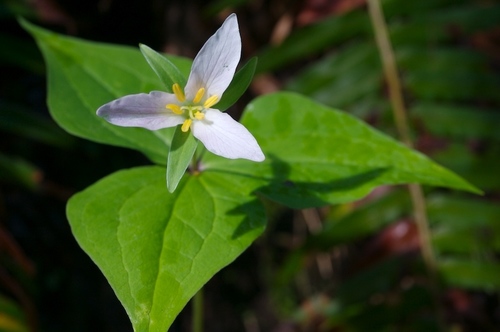
British Columbia, CA
You might spot Pacific Trillium, Vanilla Leaf, and Japanese Knotweed.
View guide →
Take the discovery with you
Snap it with Snappit to identify it, learn what makes it special, and add the discovery to your collection.








.jpg&width=800)



