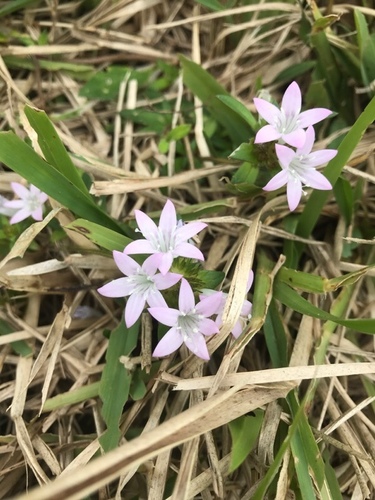
Shield Lichens, Sunburst Lichens, Rosette Lichens, And Allies
lecanoromycetidae
Lichens are fascinating organisms made up of fungi and algae working together! They come in many shapes and colors, and can often be found growing on rocks and tree bark.
Habitat: Lichens can be found on trees, rocks, and soil in various environments including forests and mountains.
The Shield Lichens, Sunburst Lichens, Rosette Lichens, And Allies often form colorful, flat patches or leafy rosettes on rocks and tree bark. They display shades of grey-green, yellow, or brilliant orange, creating distinct, often circular patterns that hug the surface.
Category
FungiRarity
Common
Danger
0/5 · No known danger
Snaps
Be the first to snap!
Lichens are actually two different organisms living together: a fungus and an alga!
Many animals, like reindeer and snails, munch on lichens for food!
Some lichens can live for thousands of years, making them among Earth's oldest living things!
They act like tiny air pollution detectors, showing how clean or dirty the air is!
Shield Lichens, Sunburst Lichens, Rosette Lichens, And Allies can make their own food using sunlight because of tiny algae or cyanobacteria living inside them.
Shield Lichens, Sunburst Lichens, Rosette Lichens, And Allies can slowly break down rocks because they release special acids, helping to create new soil.
Shield Lichens, Sunburst Lichens, Rosette Lichens, And Allies can survive harsh climates because they can dry out and then rehydrate quickly.
Rangifer tarandus
Main food source in Arctic

Helix aspersa
Grazes on lichen surfaces
Troglodytes troglodytes
Uses fragments for nesting
Solitary animals live alone for most of their lives, only interacting with others for mating or parental care.
Arboreal animals live primarily in trees, utilizing them for shelter, food, and protection from predators.
Colorful describes organisms or objects displaying a wide range of bright and distinct colors.
Describes organisms that break down dead organic material, recycling nutrients back into the ecosystem.

Forest habitats are terrestrial environments dominated by dense tree cover, supporting a high diversity of plant and animal life.
Danger
0/5 · No known danger
No special safety notes yet.
The easiest way to identify Shield Lichens, Sunburst Lichens, Rosette Lichens, And Allies is to use the Snappit nature identifier app.
0.05-1 cm
inedible
Lichens can be found on trees, rocks, and soil in various environments including forests and mountains.
wood
Year-round
Zoom in to split clusters and explore where this object has been snapped.
Recent snaps will appear here as new observations are added.
Take the discovery with you
Snap it with Snappit to identify it, learn what makes it special, and add the discovery to your collection.