





shoebutton Ardisia
Ardisia elliptica
The shoebutton Ardisia is a lovely shrub with shiny green leaves and bright red berries. It grows in warm places and is often found in gardens, adding beauty to the surroundings.
Habitat: Urban areas
The shoebutton Ardisia has shiny, dark green leaves and small, delicate pinkish-white flowers that grow in clusters. Its most striking feature is the abundant, bright red, pea-sized berries that persist on the plant for a long time, resembling tiny decorative buttons.
Category
PlantsRarity
Common
Danger
2/5 · Low
Snaps
1
In some cultures, its leaves are traditionally used for their medicinal properties!
Its scientific name, Ardisia elliptica, means 'pointed oval', referring to its leaf shape!
The vibrant red berries are a favorite snack for many different bird species!
This plant is known for being super tough and can grow almost anywhere warm!
shoebutton Ardisia has bright red berries that remain on the plant for a long time, helping to attract birds and spread its seeds.
shoebutton Ardisia has tough, waxy leaves that help it retain water and survive in drier conditions.
shoebutton Ardisia can thrive in shady spots, allowing it to grow where other plants might struggle.
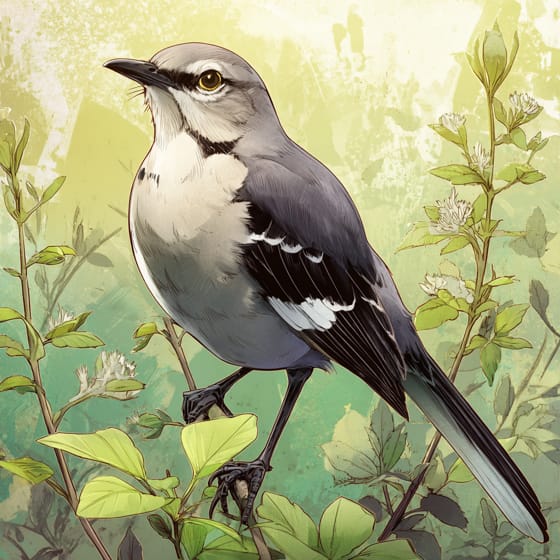
Mimus polyglottos
Its persistent red berries are a food source for this bird.
Pycnonotus jocosus
This bird disperses seeds after consuming the fruits.
Apis mellifera
Bees visit its small flowers to gather nectar and pollen.
Ornamental plants are cultivated primarily for their aesthetic appeal, enhancing landscapes and gardens with their attractive foliage, flowers, or form.
A shrub is a woody plant smaller than a tree, typically with multiple stems branching from or near the ground.
Evergreen plants retain their foliage throughout the year, never shedding all their leaves at once.
Fruit-bearing plants produce fruits, which are the mature ovaries of flowering plants containing seeds.

Colorful describes organisms or objects displaying a wide range of bright and distinct colors.

Describes plants that are particularly attractive and beneficial to a wide range of pollinating organisms.

This habitat trait indicates species that can coexist with humans in urban and suburban environments, utilizing man-made structures and green spaces.
No aliases listed yet.
Danger
2/5 · Low
Do not eat the berries without asking an adult, as they can be harmful.
The easiest way to identify shoebutton Ardisia is to use the Snappit nature identifier app.
200-500 cm
150-400 cm
0.5-1 cm
Year-round in tropical climates
No
Mild
Perennial
Zoom in to split clusters and explore where this object has been snapped.

Hawaii, US
You might spot Koster's Curse and White-Rumped Shama.
View guide →

Hawaii, US
You might spot White-Rumped Shama, Koster's Curse, and Red Button Ginger.
View guide →

Hawaii, US
You might spot Torch Ginger, Red-Crested Cardinal, and African Tulip Tree.
View guide →
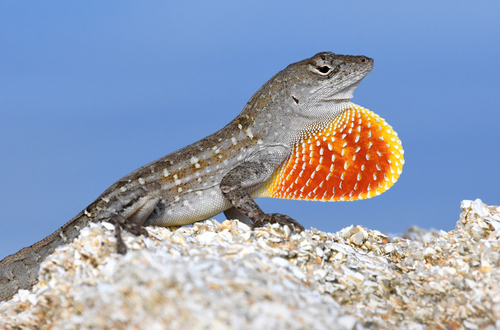
Florida, US
You might spot Brown Anole, Shiny-Leaved Wild Coffee, and Firebush.
View guide →
Take the discovery with you
Snap it with Snappit to identify it, learn what makes it special, and add the discovery to your collection.









.jpg&width=800)



_001.jpg&width=800)



