Brown Anole

Nestled in the lush Mānoa Valley of Honolulu, the Lyon Arboretum is a vibrant 194-acre tropical rainforest botanical garden, uniquely affiliated with the University of Hawaiʻi at Mānoa.
Nestled in the lush Mānoa Valley of Honolulu, the Lyon Arboretum is a vibrant 194-acre tropical rainforest botanical garden, uniquely affiliated with the University of Hawaiʻi at Mānoa. It stands as the only university-run arboretum in the United States located within a tropical rainforest, dedicated to botanical research, conservation, and education. Home to over 5,000 tropical and subtropical plant species, many of which are rare and endangered, the arboretum is a vital center for preserving Hawaii's precious flora and a haven of biodiversity.
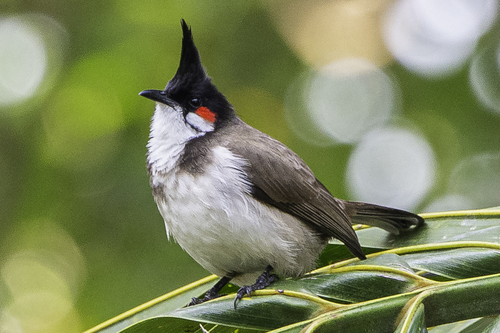
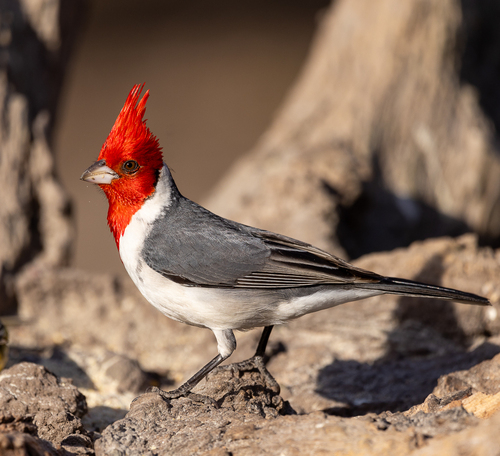
Visitors can explore a diverse array of themed gardens, including the Native Hawaiian Garden showcasing indigenous flora, the vibrant Bromeliad Garden, and the historically rich Beatrice H. Krauss Ethnobotanical Garden, which features plants essential to ancient Hawaiians like kalo, 'ulu, and hala. The arboretum also boasts the largest palm collection in any North American public garden, with over 2,500 individual palm trees representing 615 unique species, including a notable Royal Palm Grove. Seven miles of hiking trails wind through this verdant landscape, leading to captivating spots like the serene 'Aihualama Falls and Inspiration Point, which offers panoramic views of the Mānoa Valley. Keep an eye out for exotic plants like Tropical Pitcher Plants, the striking Blue Jade vine, and the intriguing Bat Flower, alongside a vibrant array of heliconias and gingers, while the air fills with the calls of various bird species such as cockatoos and Brazilian cardinals.
A visit to Lyon Arboretum offers a unique opportunity to immerse oneself in the unparalleled beauty and ecological significance of a Hawaiian tropical rainforest. It provides a peaceful escape from the city, inviting guests to connect with nature, learn about critical conservation efforts like the Hawaiian Rare Plant Program and its extensive seed bank, and appreciate the intricate relationships within this unique ecosystem. The blend of scientific research, educational programs, and stunning natural beauty makes it an unforgettable destination for anyone seeking to understand and cherish Hawaii's natural heritage. Wondering what that bird or insect is? Find out on your visit using the Snappit nature app.
The Lyon Arboretum was established in 1918 by the Hawaiian Sugar Planters' Association (HSPA) with an initial mission to demonstrate watershed restoration and test various tree species for reforestation. Dr. Harold L. Lyon, a passionate plant pathologist from Minnesota, served as its first director, planting nearly 2,000 tree species during his tenure. In 1953, the HSPA transferred ownership of the arboretum to the University of Hawaiʻi for a symbolic fee of $1, with the critical stipulation that the site would perpetually remain an arboretum and botanical garden. Following Dr. Lyon's death in 1957, the arboretum was renamed in his honor, cementing his legacy. Initially operating primarily as a research station, it opened to the public in 1972, and today continues to be a leader in tropical plant conservation, particularly through its Hawaiian Rare Plant Program and advanced seed bank, which actively preserves endangered native Hawaiian plants.
Explore the extensive network of trails, delve into the various themed gardens, enjoy bird-watching opportunities, and visit the Visitor's Center for maps and information. The arboretum also hosts educational workshops and events.
Rain is possible any day of the year, especially from October to April, making trails potentially muddy. Mosquitoes are prevalent in this rainforest environment, so prepare accordingly.
The arboretum features well-maintained walking paths, though some trails can be more strenuous and uphill. The initial areas and main trail offer a leisurely climb, but it's advisable to inquire at the Visitor's Center for specific accessibility information for different sections.
A must-see collection of indigenous and endemic Hawaiian plants.
An enchanting display of diverse bromeliad species.
Features plants with cultural significance to ancient Hawaiians, such as kalo (taro), 'ulu (breadfruit), and hala (pandanus).
Home to the largest collection of palms in a North American public garden, including the Royal Palm Grove.
Each card links to a full Explore page with photos, traits, and fun facts.
Start with the big picture, then zoom in to explore individual wildlife observations around this place.
Wear appropriate footwear
** Trails can be uneven, wet, and muddy due to the rainforest climate. Sturdy, closed-toe walking shoes or hiking boots are highly recommended.
Bring insect repellent
Mosquitoes are abundant in the tropical rainforest environment. Apply repellent generously to avoid bites.
Pack rain gear
Mānoa Valley receives significant rainfall, so a lightweight rain jacket or poncho is essential, even if the sky appears clear.
Arrive early for parking
The arboretum has a parking area, but spaces are limited and can fill up quickly, especially during peak hours. Arriving soon after opening helps secure a spot.
Stay hydrated and energized
Carry a reusable water bottle and some snacks, especially if you plan on exploring the longer trails.
Grab a map
Pick up a detailed map at the Visitor's Center upon arrival to navigate the extensive network of trails and themed gardens effectively.
Avoid stream water
Do not drink or swim in the stream water due to the risk of leptospirosis.
Jun 5, 2026
Photo attribution
(c) Damien Wallace, some rights reserved (CC BY)
License: CC BY 4.0 ↗
Image may be shown cropped inside the card frame.
Jun 20, 2026
Jun 20, 2026
Jun 20, 2026
Jun 19, 2026

Maryland, US
You might spot White-Tailed Deer and Eastern Gray Squirrel.
View guide →
.jpg)
District of Columbia, US
You might spot Eastern Gray Squirrel, Duck, and House Sparrow.
View guide →

Illinois, US
You might spot American Robin, Canada Goose, and House Sparrow.
View guide →

Virginia, US
You might spot Spotted Lanternfly and Northern Cardinal.
View guide →
Take the discovery with you
Identify the wildlife you spot, learn as you go, and keep a collection of the adventure.