



short-bristled horned beaksedge
Rhynchospora corniculata
The short-bristled horned beaksedge is a special plant with unique, horn-like seed heads. It grows in wet areas and helps provide food for small animals and insects.
Habitat: Wetlands
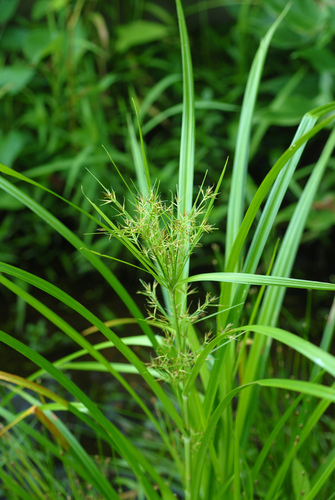
The short-bristled horned beaksedge is a tall, grass-like plant with stiff, triangular stems. It stands out with its clusters of greenish-brown seed heads, each featuring prominent, horn-like beaks and tiny bristles, making them distinct from other wetland grasses.
Category
PlantsRarity
Common
Danger
1/5 · Very low
Snaps
Be the first to snap!
Each seed head has tiny bristles, helping them stick to things and travel far!
It's a cousin to important food crops like rice, but prefers wild, wet habitats!
Its scientific name, Rhynchospora, means "beaked seed," describing its unique look!
The plant's stems are triangular, not round like most common grasses!
short-bristled horned beaksedge has tough underground stems called rhizomes that help it spread widely and form dense colonies.
short-bristled horned beaksedge produces unique seeds with long, horn-like beaks that may help them hitch rides on animals or float.
Anas platyrhynchos
eats its protein-rich seeds, especially during migration.

Lithobates sphenocephalus
provides dense cover and hiding spots for this wetland frog.
Neoschoenobius virgula
larvae of this moth bore into its stems for food and shelter.
Deciduous plants periodically shed all their leaves, typically during autumn or dry seasons.
Flowering plants are any plants that produce flowers as part of their reproductive cycle.
Grass-like plants are herbaceous plants that visually resemble true grasses, typically having long, narrow leaves.
Characterized by having one or more hard, permanent, pointed projections on the head.
Describes plants that are particularly attractive and beneficial to a wide range of pollinating organisms.
This habitat trait identifies species found in wetlands, which are areas of land saturated with water, either permanently or seasonally, including marshes, swamps, and bogs.
Describes a species whose presence and role have a disproportionately large effect on its environment.
No aliases listed yet.
Danger
1/5 · Very low
Always look but don't touch plants unless you know they are safe.
Compare seed heads, stem shape, how leaves attach, and the joint where leaf meets stem. A patch of mown lawn rarely shows enough for an exact ID. Grass Identifier: upload a photo and compare the visible details.
90-150 cm
30-60 cm
Summer to Fall
No
None
Perennial
Wind
Zoom in to split clusters and explore where this object has been snapped.
Recent snaps will appear here as new observations are added.
Take the discovery with you
Snap it with Snappit to identify it, learn what makes it special, and add the discovery to your collection.