%2C_Vorderansich.jpg&width=800)





Southern Leopard Frog
Lithobates sphenocephalus
The Southern Leopard Frog is a fun and spotted frog that loves to hop around in wet areas. It has a beautiful green and brown color that helps it blend in with its surroundings.
Habitat: Wetlands
The Southern Leopard Frog is typically green or brown with distinct dark, rounded spots across its back and sides. It has prominent light-colored dorsolateral folds that run from behind its eyes down its back. A pale ridge usually marks its upper jaw.
Category
AmphibiansRarity
Common
Danger
1/5 · Very low
Snaps
29
Tadpoles sometimes eat algae, helping to keep their pond homes cleaner.
Their 'squeak' alarm call sounds surprisingly like a deflating balloon!
These clever frogs can slightly change their skin color to match their surroundings.
They inflate their bodies to look bigger and scare away potential attackers!
Southern Leopard Frog can leap up to 2 meters (6 feet) because this helps them escape predators quickly and catch prey.
Southern Leopard Frog has spotted skin that helps them blend perfectly into grassy pond edges, hiding from hungry birds.
Southern Leopard Frog can stay underwater for extended periods because they absorb oxygen through their moist skin.
Hungry hunters, Southern Leopard Frogs snap up insects and other small creatures with their sticky tongue.
Age differences: Tadpoles eat algae and decaying plant matter, while adults primarily hunt insects and small invertebrates.
Thamnophis sirtalis
Gartersnakes hunt these frogs in wetland habitats.

Ardea alba
Egrets stalk shallow waters to prey on adult frogs.
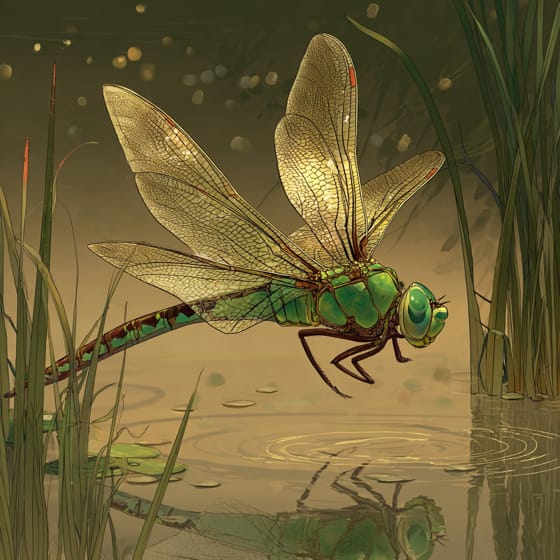
Anax junius
Dragonfly nymphs prey on young frog tadpoles underwater.
Culex pipiens
Adult frogs actively hunt and eat mosquito adults.
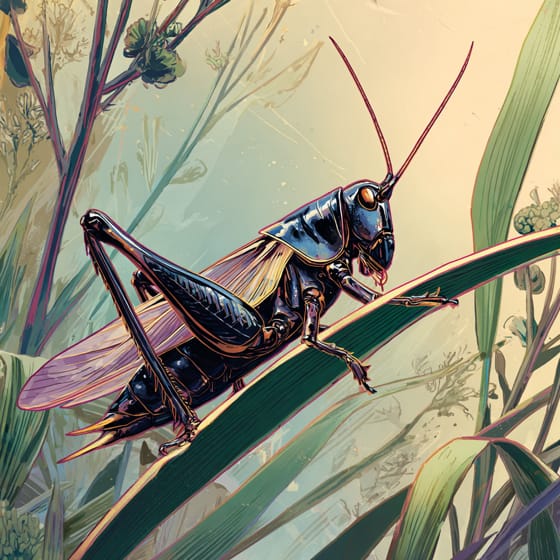
Gryllus assimilis
Crickets are a primary food source for adult leopard frogs.
Marked with spots or patches of a different color.
Social animals live in organized groups, cooperating for survival benefits such as foraging, defense, and raising offspring.
Camouflaged describes organisms that possess coloring or patterns that allow them to blend into their environment.
This trait identifies organisms whose diet primarily consists of insects and other small invertebrates.

This habitat trait identifies species found in wetlands, which are areas of land saturated with water, either permanently or seasonally, including marshes, swamps, and bogs.

This trait identifies organisms whose diet consists entirely or primarily of animal tissue.

Diurnal animals are primarily active during daylight hours, typically resting or sleeping at night.

Freshwater habitats include non-saline aquatic environments such as rivers, lakes, ponds, and wetlands, vital for numerous species.

Aquatic habitats encompass environments where organisms live predominantly in water, including oceans, rivers, lakes, and wetlands.

Describes organisms that transfer pollen, enabling the fertilization and reproduction of plants.
No aliases listed yet.
Danger
1/5 · Very low
Always wash your hands after touching frogs, and don't try to catch them unless you're with an adult.
The easiest way to identify Southern Leopard Frog is to use the Snappit nature identifier app.
5-9 cm
0.01-0.03 kg
2-5 years
15 km/h
Hungry hunters, Southern Leopard Frogs snap up insects and other small creatures with their sticky tongue.
Wetlands
Ambush
Zoom in to split clusters and explore where this object has been snapped.

Virginia, US
You might spot Cope's Gray Tree Frog and Basilica Orbweaver.
View guide →

Florida, US
You might spot Anole, Eastern Box Turtle, and Golden Silk Spider.
View guide →

Virginia, US
You might spot Eastern Tiger Swallowtail, Fowler's Toad, and Monarch.
View guide →

Arkansas, US
You might spot Water Tupelo, Banded Watersnake, and Prothonotary Warbler.
View guide →

Alabama, US
You might spot Blackfin Darter and Largescale Stoneroller.
View guide →

South Carolina, US
You might spot Gulf Fritillary, Poey's Furrow Bee, and Anole.
View guide →
Take the discovery with you
Snap it with Snappit to identify it, learn what makes it special, and add the discovery to your collection.








.JPG&width=800)



.jpg&width=800)

