





willow gentian
Gentiana asclepiadea
The willow gentian is a beautiful flower with bright blue petals. It grows in grassy areas and is loved by butterflies and bees. Its lovely color makes it stand out in nature!
Habitat: Grasslands
The willow gentian is a striking plant with arching stems bearing numerous bell-shaped, deep blue to violet flowers. Its lance-shaped leaves resemble those of a willow, giving it its common name. The intense, almost luminous blue color helps it stand out vividly in its late-season habitat.
Category
PlantsRarity
Common
Danger
1/5 · Very low
Snaps
Be the first to snap!
Gentians are famous for having some of the truest, most vibrant blue flowers in the plant world!
Its scientific name, asclepiadea, means 'like an asclepias', because of its leaf shape!
Many gentians, including this one, grow in cool mountain areas where other plants struggle!
Wow! Its long flowers are like deep blue trumpets, perfect for bumblebees to dive into!
Willow gentian has intensely blue flowers that act like a visual target, guiding specific pollinators to its hidden nectar rewards.
Its late-blooming nature allows it to flower and set seeds when competition from other plants is lower, extending its growing season.
Willow gentian has arching stems that help position its many flowers for optimal pollinator access and prevent them from being hidden by dense foliage.
Bombus terrestris
Visits deep blue flowers for nectar.
Bombus lapidarius
Main pollinator of its tubular flowers.
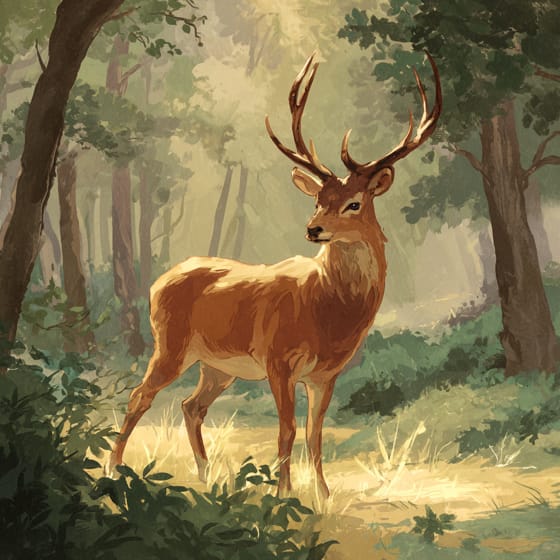
Cervus elaphus
Browses on leaves and shoots occasionally.
Flowering plants are any plants that produce flowers as part of their reproductive cycle.
Summer blooming plants produce their flowers during the summer season, often providing vibrant color when many other plants have finished.
Fragrant flowers emit a pleasant aroma, often to attract pollinators or for defense.
Colorful describes organisms or objects displaying a wide range of bright and distinct colors.

Grassland habitats are terrestrial biomes dominated by grasses and herbaceous plants, supporting a variety of grazing animals.

Describes plants that are particularly attractive and beneficial to a wide range of pollinating organisms.

Endangered status indicates a species is at a very high risk of extinction in the wild in the near future.
No aliases listed yet.
Danger
1/5 · Very low
Always look but don't pick flowers, so everyone can enjoy them!
The easiest way to identify willow gentian is to use the Snappit nature identifier app.
30-80 cm
20-40 cm
3-5 cm
Late summer to early autumn
No
None
Perennial
Zoom in to split clusters and explore where this object has been snapped.
Recent snaps will appear here as new observations are added.
Take the discovery with you
Snap it with Snappit to identify it, learn what makes it special, and add the discovery to your collection.








.jpg&width=800)


_001.jpg&width=800)




