_(6946051637).jpg&width=800)





White beggarticks
Bidens alba
White beggarticks are cheerful little flowers that grow in sunny places. They have bright yellow centers and white petals, making them look like tiny stars in the grass!
Habitat: Urban areas
The White beggarticks has bright white ray florets surrounding a cheerful yellow center, resembling a small daisy. Its leaves are typically dark green and deeply lobed, giving the plant a bushy appearance.
Category
PlantsRarity
Common
Danger
1/5 · Very low
Snaps
18
It's an amazing pioneer, often the first plant in new spots!
Its 'beggarticks' name comes from seeds that cling like ticks!
Sometimes it's called 'Spanish Needles' for its sharp, skinny seeds!
You can actually eat the young leaves of this plant!
White beggarticks has barbed seeds that hitch rides on animals and clothes, helping it spread far and wide.
This plant can grow super fast, quickly filling in sunny, open areas after soil has been disturbed.
White beggarticks produces sugary nectar, attracting many different kinds of busy bees and butterflies.
Apis mellifera
Collects nectar and pollen from flowers.
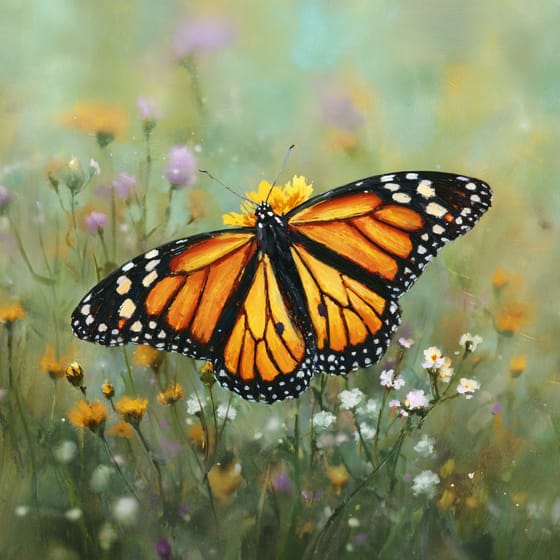
Danaus plexippus
Feeds on nectar, helping spread pollen.
.JPG&width=800)
Sylvilagus floridanus
Graze on leaves and stems of young plants.
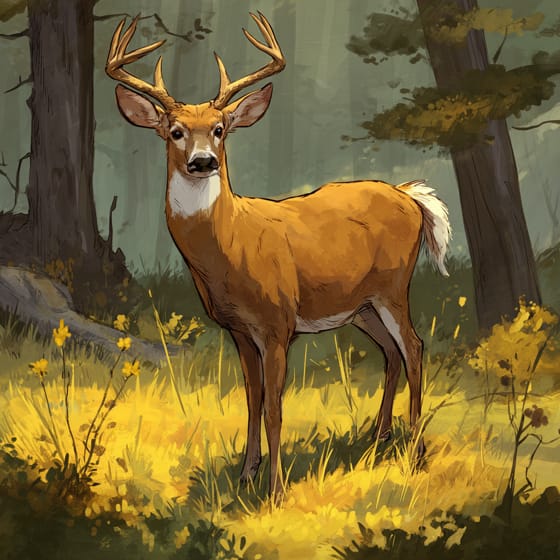
Odocoileus virginianus
Browses on the foliage, especially new growth.
Flowering plants are any plants that produce flowers as part of their reproductive cycle.
Summer blooming plants produce their flowers during the summer season, often providing vibrant color when many other plants have finished.
Fragrant flowers emit a pleasant aroma, often to attract pollinators or for defense.
Edible plants are those parts of a plant that are considered safe for human consumption.

Describes plants that are particularly attractive and beneficial to a wide range of pollinating organisms.

Rapid growing plants exhibit accelerated growth rates, quickly increasing in size and biomass within a short period.

This habitat trait indicates species that can coexist with humans in urban and suburban environments, utilizing man-made structures and green spaces.
Danger
1/5 · Very low
Always look but don't touch flowers without asking an adult, as some plants can be tricky!
The easiest way to identify White beggarticks is to use the Snappit nature identifier app.
30-180 cm
30-60 cm
1.5-3 cm
Summer, Fall
Yes
None
Annual
Zoom in to split clusters and explore where this object has been snapped.

Georgia, US
You might spot Gulf Fritillary, Anole, and American Beautyberry.
View guide →

US
You might spot Pond Slider, Black-Bellied Whistling-Duck, and Brown Anole.
View guide →

Florida, US
You might spot Brown Anole, Monarch, and Eastern Lubber Grasshopper.
View guide →

Florida, US
You might spot Anhinga, American Alligator, and Wood Duck.
View guide →

Louisiana, US
You might spot Brown Anole, White Beggarticks, and Gulf Coast Buck Moth.
View guide →

Georgia, US
You might spot Spanish Moss, Anole, and Resurrection Fern.
View guide →
Take the discovery with you
Snap it with Snappit to identify it, learn what makes it special, and add the discovery to your collection.








.jpg&width=800)


_001.jpg&width=800)



