




Sierra Nevada Peavine
Lathyrus nevadensis
The Sierra Nevada Peavine is a lovely flowering plant that grows in the mountains. It has pretty purple flowers that attract butterflies and bees, making it a special part of nature.
Habitat: Mountain regions
The Sierra Nevada Peavine is a climbing vine with delicate tendrils that help it grip. It has compound leaves with two to four leaflets and striking pea-like flowers, typically vibrant purplish-pink or magenta, sometimes lighter, clustered at the tips of stems.
Category
PlantsRarity
Common
Danger
1/5 · Very low
Snaps
Be the first to snap!
Its scientific name, Lathyrus, comes from a Greek word meaning "pea" or "vetch"!
Like beans, this plant can improve soil by adding essential nutrients for other plants!
This wild peavine's seeds look like peas, but are not safe to eat!
Tiny pollen grains from its flowers often hitch rides on the backs of busy bumblebees!
Sierra Nevada Peavine can extend its slender tendrils to grip onto other plants or structures, helping it climb high for sunlight.
This plant has special root nodules that host bacteria, allowing it to "fix" nitrogen from the air and enrich the soil around it.
The Sierra Nevada Peavine develops pea-like pods that burst open when dry, flinging seeds far away to find new places to grow.
Apis mellifera
Gathering nectar and pollen for its hive.
Bombus melanopygus
A native bee that visits its vibrant flowers.
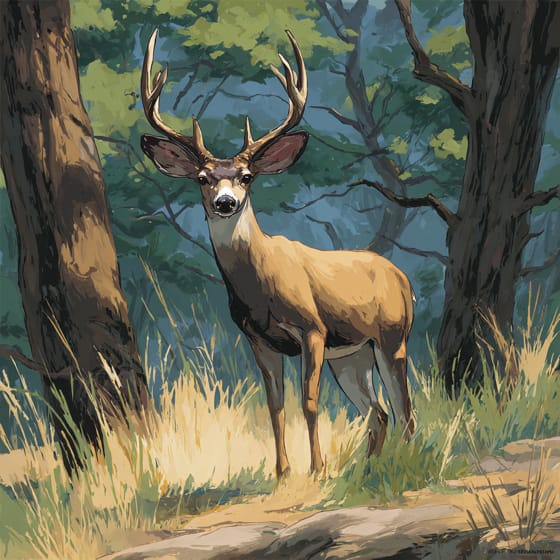
Odocoileus hemionus
Deer browse on its leaves and tender stems.
Rhizobium leguminosarum
Lives in root nodules, converting nitrogen for the plant.
Flowering plants are any plants that produce flowers as part of their reproductive cycle.
Describes organisms capable of converting atmospheric nitrogen into compounds usable by plants.
Spring blooming plants produce their flowers during the spring season, often signifying the end of winter and the start of new growth.
Medicinal plants possess chemical compounds that can be used for therapeutic purposes to treat illnesses or maintain health.

Colorful describes organisms or objects displaying a wide range of bright and distinct colors.

Grassland habitats are terrestrial biomes dominated by grasses and herbaceous plants, supporting a variety of grazing animals.

Describes plants that are particularly attractive and beneficial to a wide range of pollinating organisms.

This habitat trait identifies species found in mountainous regions, characterized by high elevation, steep slopes, and varying climate zones.

Endangered status indicates a species is at a very high risk of extinction in the wild in the near future.
No aliases listed yet.
Danger
1/5 · Very low
Always look but don't touch plants unless an adult says it's okay.
The easiest way to identify Sierra Nevada Peavine is to use the Snappit nature identifier app.
30-90 cm
45-120 cm
1-2.5 cm
Spring, Summer
No
Mild
Perennial
Zoom in to split clusters and explore where this object has been snapped.
Recent snaps will appear here as new observations are added.
Take the discovery with you
Snap it with Snappit to identify it, learn what makes it special, and add the discovery to your collection.








.jpg&width=800)



_001.jpg&width=800)




