





Siberian squill
Scilla siberica
The Siberian squill is a beautiful little flower that blooms in spring. It has bright blue petals that look like tiny stars, making gardens and fields look magical!
Habitat: Forests
The Siberian squill has vibrant, bell-shaped blue flowers that nod gracefully on slender stems. Each blossom features six petals and prominent anthers, creating a star-like appearance. Its glossy, strap-like green leaves emerge from the ground early in spring.
Category
PlantsRarity
Common
Danger
1/5 · Very low
Snaps
15
Despite its name, it's native to Russia, Ukraine, and Turkey, not just Siberia.
It quickly spreads, forming breathtaking blue carpets in early spring gardens.
Its vivid blue flowers are one of the very first signs of spring.
This tough plant can even push its blooms through a light snow layer!
Siberian squill can emerge and flower very early, capturing sunlight before trees leaf out.
Siberian squill has underground bulbs that store energy, allowing it to survive harsh winters and re-emerge.
Siberian squill has seeds with fatty elaiosomes that attract ants for dispersal, spreading its offspring.
Apis mellifera
visits for nectar and pollen.
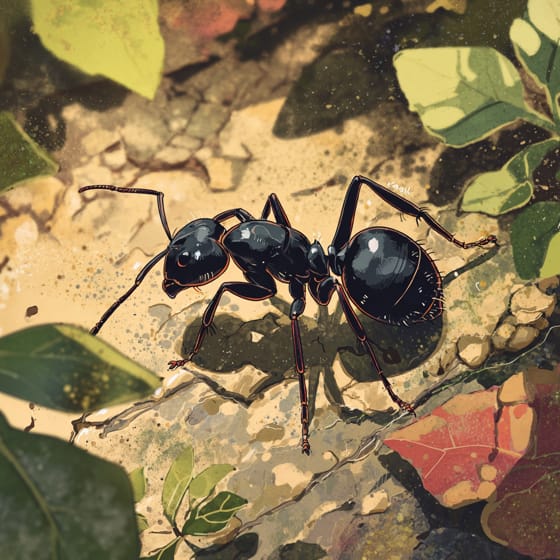
Lasius niger
fatty elaiosomes on its seeds.
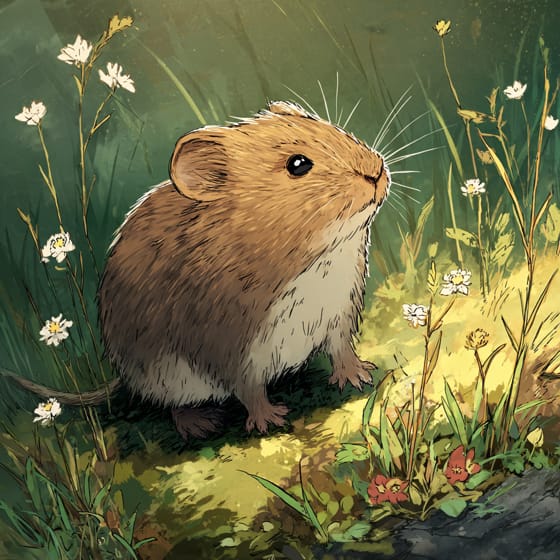
Microtus arvalis
its underground bulbs.
Flowering plants are any plants that produce flowers as part of their reproductive cycle.
Ornamental plants are cultivated primarily for their aesthetic appeal, enhancing landscapes and gardens with their attractive foliage, flowers, or form.
Cluster flowers are inflorescences where individual flowers are arranged closely together on a common stem.
Shade tolerant plants are adapted to grow and thrive in areas with low light levels, requiring less direct sunlight.

Spring blooming plants produce their flowers during the spring season, often signifying the end of winter and the start of new growth.

Colorful describes organisms or objects displaying a wide range of bright and distinct colors.

Describes plants that are particularly attractive and beneficial to a wide range of pollinating organisms.

Forest habitats are terrestrial environments dominated by dense tree cover, supporting a high diversity of plant and animal life.
No aliases listed yet.
Danger
1/5 · Very low
Always look but don't pick flowers without asking an adult.
The easiest way to identify Siberian squill is to use the Snappit nature identifier app.
10-20 cm
5-15 cm
1-2 cm
Early spring
No
Mild
Perennial
Zoom in to split clusters and explore where this object has been snapped.

Rhode Island, US
You might spot Common Eastern Bumble Bee and Osprey.
View guide →

Connecticut, US
You might spot Green Frog and Mountain Laurel.
View guide →

Connecticut, US
You might spot American Robin, Eastern Poison Ivy, and Duck.
View guide →

New York, US
You might spot Rock Pigeon, American Robin, and Spotted Lanternfly.
View guide →

New York, US
You might spot Monarch and Common Eastern Bumble Bee.
View guide →

Illinois, US
You might spot American Robin, Canada Goose, and House Sparrow.
View guide →
Take the discovery with you
Snap it with Snappit to identify it, learn what makes it special, and add the discovery to your collection.






.jpg&width=800)



_001.jpg&width=800)



