.jpg&width=800)





Silver-green leaf weevil
Phyllobius argentatus
The silver-green leaf weevil is a small bug that loves to munch on leaves. Its shiny green color helps it blend in with plants, making it a little tricky to spot!
Habitat: Forests
The Silver-green leaf weevil has a striking iridescent body covered in tiny, metallic silver-green scales, giving it a shimmering appearance. It possesses a distinctive, elongated snout called a rostrum, with antennae located partway along its length, and sturdy dark legs.
Category
InsectsRarity
Common
Danger
1/5 · Very low
Snaps
Be the first to snap!
Female weevils lay their tiny eggs inside plant tissue or soil, keeping them safe.
Its incredible scales shimmer, changing color slightly like a tiny jewel in the sun!
Look closely at its antennae; they have a cool elbow-like bend for sensing!
This weevil's scientific name, argentatus, means 'silvery' in Latin!
Silver-green leaf weevil can use its special long snout to chew holes in leaves and stems, allowing them to access their leafy meals.
Silver-green leaf weevil has tiny claws on its feet that help them grip tightly to smooth leaves and stems, even in windy conditions.
They munch on leaves and buds of various trees and shrubs using their long snouts.
Age differences: Larvae eat plant roots, while adults feed on leaves and buds.
Quercus robur
Adults feed on its leaves and buds.
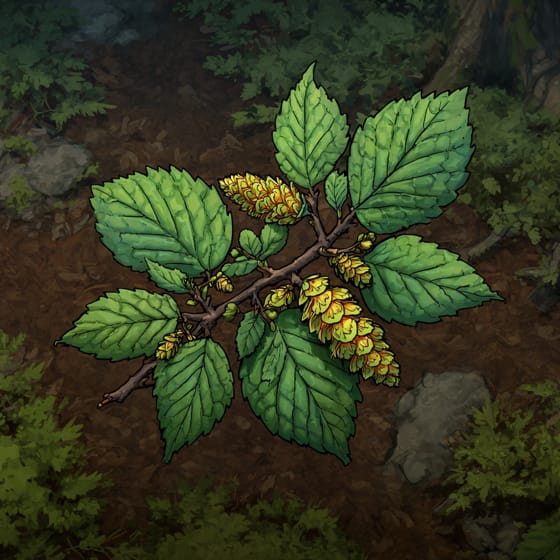
Corylus avellana
Adults chew holes in its leaves.
%2C_Parc_de_Woluw%C3%A9%2C_Brussels_(13042792905).jpg&width=800)
Parus major
Predatory birds hunt these weevils for food.
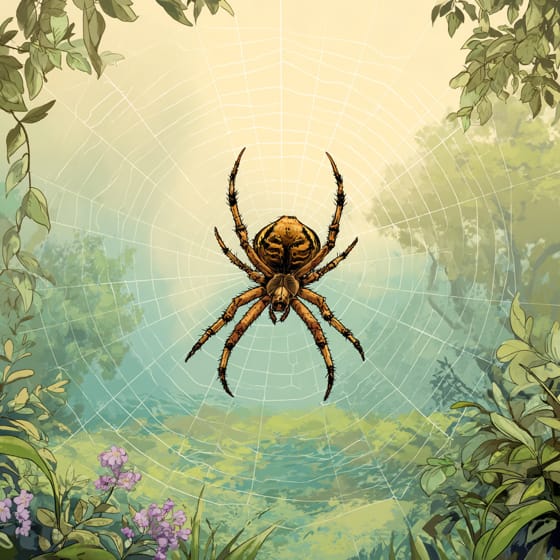
Araneus diadematus
Spiders capture them in their webs.
Solitary animals live alone for most of their lives, only interacting with others for mating or parental care.
Camouflaged describes organisms that possess coloring or patterns that allow them to blend into their environment.
This trait characterizes organisms whose diet consists entirely or primarily of plant material.
Describes organisms that break down dead organic material, recycling nutrients back into the ecosystem.

Forest habitats are terrestrial environments dominated by dense tree cover, supporting a high diversity of plant and animal life.

Describes organisms that transfer pollen, enabling the fertilization and reproduction of plants.
No aliases listed yet.
Danger
1/5 · Very low
Don't touch bugs without asking an adult first, as some can bite.
The easiest way to identify Silver-green leaf weevil is to use the Snappit nature identifier app.
8-12 mm
4-6 mm
60-90 days
They munch on leaves and buds of various trees and shrubs using their long snouts.
Forests
Foraging
6
Zoom in to split clusters and explore where this object has been snapped.
Recent snaps will appear here as new observations are added.
Take the discovery with you
Snap it with Snappit to identify it, learn what makes it special, and add the discovery to your collection.








.jpg&width=800)



