





Sitka Mountain-Ash
Sorbus sitchensis
The Sitka Mountain-Ash is a beautiful tree with bright orange berries. It grows in cool, moist places and is loved by birds who eat its tasty fruits!
Habitat: Mountain regions
The Sitka Mountain-Ash has beautiful clusters of small, five-petaled white flowers in spring, followed by bright orange-red berries that persist into winter. Its distinctive compound leaves are long and narrow, turning vibrant shades of yellow and red in autumn.
Category
PlantsRarity
Common
Danger
1/5 · Very low
Snaps
Be the first to snap!
Despite its name, the Sitka Mountain-Ash is actually a member of the diverse rose family!
Its tart berries are often used by people to make tasty jams, jellies, and even wine!
Native peoples once used its tough wood to create tools and bows for hunting.
This hardy plant can survive in very cold, high-altitude places where few other trees grow.
Sitka Mountain-Ash produces nutrient-rich berries that provide vital food for birds during harsh winter months.
Its strong root system helps it cling to rocky slopes, preventing soil erosion in mountainous terrain.
Special leaf pigments create brilliant red and orange autumn colors, attracting animals to help spread its seeds.

Turdus migratorius
Feasts on berries and disperses seeds.
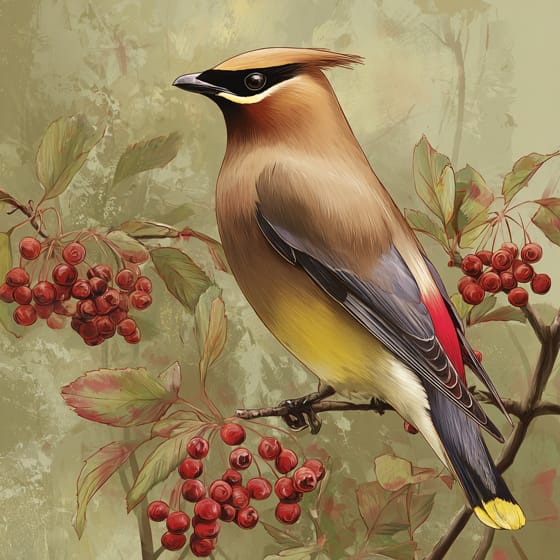
Bombycilla cedrorum
Relies on berries for winter survival.
Apis mellifera
Visits flowers for nectar and pollen.
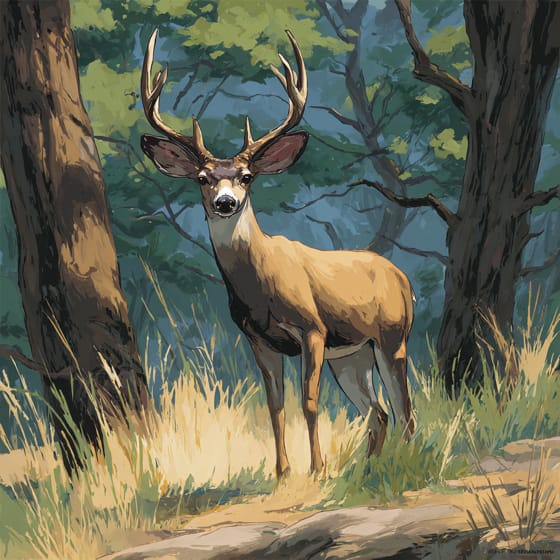
Odocoileus hemionus
Browses on young leaves and twigs.
Deciduous plants periodically shed all their leaves, typically during autumn or dry seasons.
Broadleaf trees are angiosperms characterized by flat, wide leaves that are typically shed annually in temperate climates.
Fruit-bearing plants produce fruits, which are the mature ovaries of flowering plants containing seeds.
Edible plants are those parts of a plant that are considered safe for human consumption.

Fall color refers to the seasonal change in foliage pigmentation, primarily in deciduous plants, displaying vibrant hues.

Describes plants that are particularly attractive and beneficial to a wide range of pollinating organisms.

This habitat trait identifies species found in mountainous regions, characterized by high elevation, steep slopes, and varying climate zones.
No aliases listed yet.
Danger
1/5 · Very low
Always stay on paths when exploring nature and don't eat any berries without asking an adult.
The easiest way to identify Sitka Mountain-Ash is to use the Snappit nature identifier app.
100-500 cm
100-300 cm
0.5-1 cm
Late spring to early summer
Yes
Mild
Perennial
Zoom in to split clusters and explore where this object has been snapped.
Recent snaps will appear here as new observations are added.
Take the discovery with you
Snap it with Snappit to identify it, learn what makes it special, and add the discovery to your collection.









.jpg&width=800)


_001.jpg&width=800)



