





Sleepy Orange
Eurema nicippe
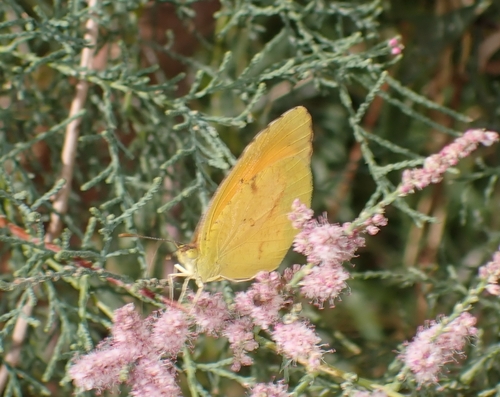
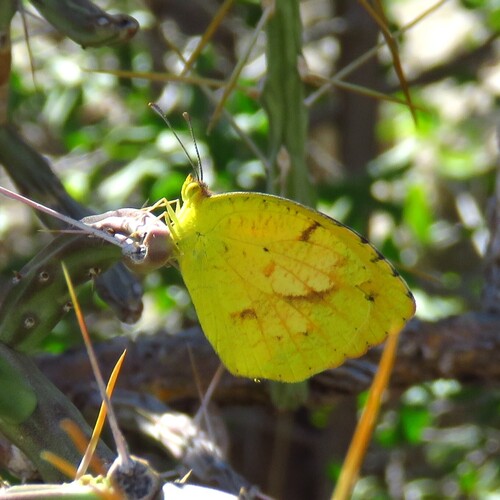
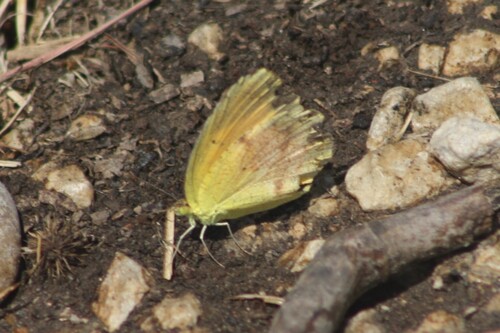
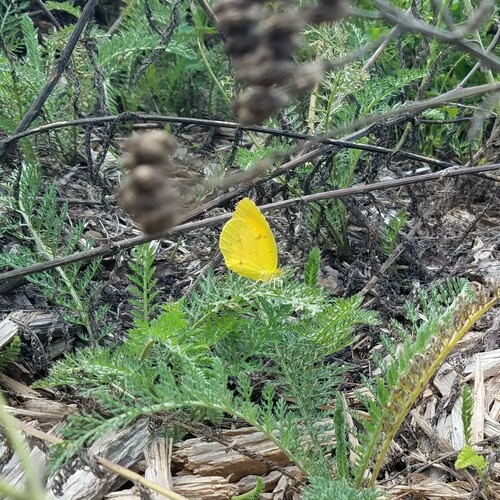
The Sleepy Orange is a bright yellow butterfly that loves to flutter around flowers. It has a special resting pose that makes it look like it's sleeping, which is how it gets its name!
Habitat: Grasslands
The Sleepy Orange is a medium-sized butterfly, bright orange on its upper wings with distinctive black borders. Females are typically paler yellow-orange. Its mottled green-brown undersides offer excellent camouflage, making it look like a dry leaf.
Category
InsectsRarity
Common
Danger
1/5 · Very low
Snaps
13
Its name comes from its habit of resting with wings closed, appearing to be 'asleep'!
Males are a more vibrant orange than females, which helps them attract a mate.
Sleepy Orange caterpillars are perfectly camouflaged, green and striped, on their host plants!
These butterflies can fly thousands of kilometers, reaching Canada from the southern US!
Sleepy Orange has mottled undersides that help them blend perfectly with dead leaves, hiding from hungry predators.
Sleepy Orange can fly quickly and erratically, helping them dart away from predators like birds or dragonflies.
Sleepy Oranges are strong fliers that can migrate long distances, helping them find new food sources and avoid cold.
Adult butterflies sip flower nectar, while their caterpillars munch on leaves.
Age differences: Larvae eat leaves of senna plants, while adults drink flower nectar from various blossoms.
Senna obtusifolia
Caterpillars feed on its leaves.
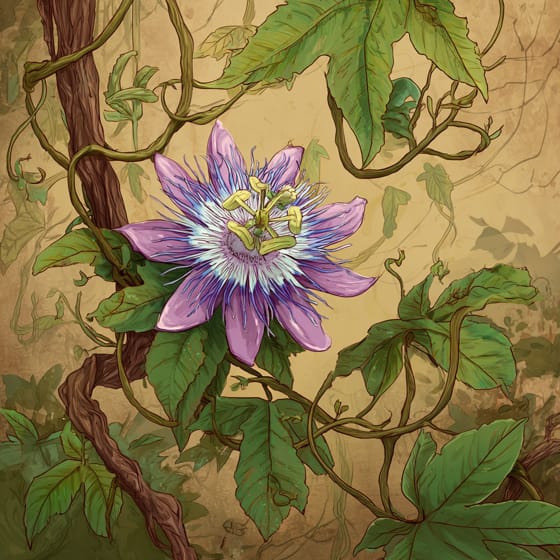
Passiflora incarnata
Adults visit for nectar.
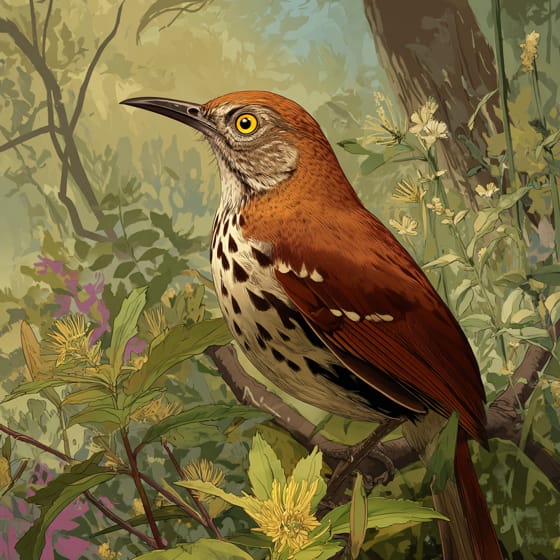
Toxostoma rufum
Birds like this often prey on butterflies.
Colorful describes organisms or objects displaying a wide range of bright and distinct colors.
Grassland habitats are terrestrial biomes dominated by grasses and herbaceous plants, supporting a variety of grazing animals.
This trait characterizes organisms whose diet consists entirely or primarily of plant material.
Describes plants that are particularly attractive and beneficial to a wide range of pollinating organisms.

Diurnal animals are primarily active during daylight hours, typically resting or sleeping at night.

This trait identifies organisms that exhibit exceptional swiftness in movement for hunting, escape, or travel.

Describes organisms that transfer pollen, enabling the fertilization and reproduction of plants.
Danger
1/5 · Very low
Always watch butterflies from a distance and don't try to catch them.
The easiest way to identify Sleepy Orange is to use the Snappit nature identifier app.
35-55 mm
15-25 mm
7-21 days
Adult butterflies sip flower nectar, while their caterpillars munch on leaves.
Grasslands
Foraging
6
Zoom in to split clusters and explore where this object has been snapped.
May 17, 2026
Rancho EstellePhoto attribution
(c) Bao Pham, some rights reserved (CC BY)
License: CC BY 4.0 ↗
Image may be shown cropped inside the card frame.
Oct 17, 2025
Fort LancasterPhoto attribution
(c) Annika Lindqvist, some rights reserved (CC BY)
License: CC BY 4.0 ↗
Image may be shown cropped inside the card frame.
Aug 11, 2025
Caverns of SonoraPhoto attribution
no rights reserved
License: CC0 1.0 ↗
Image may be shown cropped inside the card frame.
Aug 9, 2023
Greensboro Commercial Historic DistrictPhoto attribution
(c) Leila Dasher, some rights reserved (CC BY)
License: CC BY 4.0 ↗
Image may be shown cropped inside the card frame.

Maryland, US
You might spot Crane-Fly Orchid, Fragile Forktail, and Ebony Jewelwing.
View guide →

Alabama, US
You might spot Painted Bunting, House Finch, and Red-Shouldered Hawk.
View guide →

New Mexico, US
You might spot White-Winged Dove and Silverleaf Nightshade.
View guide →

New Mexico, US
You might spot Vermilion Flycatcher, Turkey, and American Rubyspot.
View guide →

Texas, US
You might spot Antelopehorn Milkweed and Lindheimer's Senna.
View guide →
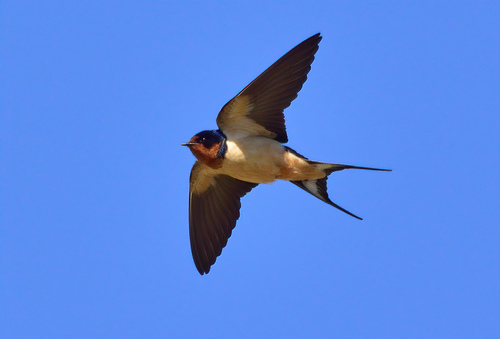
Texas, US
You might spot Barn Swallow, House Sparrow, and Indian Peafowl.
View guide →
Take the discovery with you
Snap it with Snappit to identify it, learn what makes it special, and add the discovery to your collection.






.jpg&width=800)



