




Horned Passalid
Odontotaenius disjunctus
The Horned Passalid is a cool beetle with big horns! They love to live in decaying wood and help break it down. These beetles are fun to watch as they scurry around in the forest.
Habitat: Forests
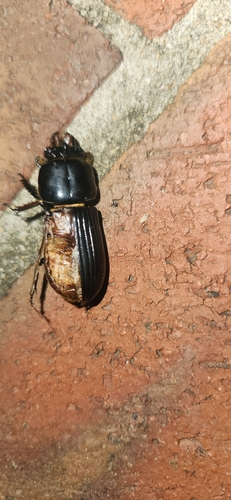
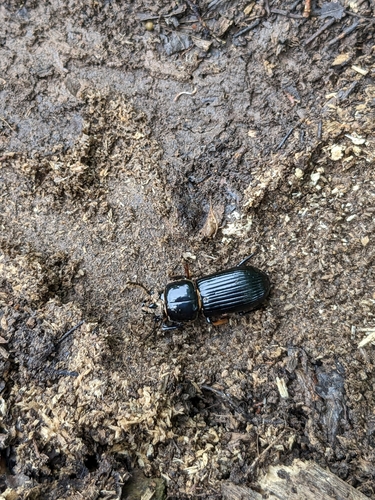
The Horned Passalid is a large, shiny black beetle with deeply grooved wing covers (elytra). Males have a distinctive, short horn on their head. Its robust, elongated body makes it look like a miniature tank.
Category
InsectsRarity
Common
Danger
1/5 · Very low
Snaps
29
Both mom and dad beetles work together to raise their babies!
Horned Passalids are the only truly social beetles found in North America!
They can live for several years hidden deep inside logs!
They hum, hiss, and click to 'talk' to family members!
Horned Passalid can 'talk' using over 10 different sounds by rubbing body parts, which helps them communicate within their log home.
Horned Passalid parents chew and prepare wood for their larvae, and protect them from predators, helping their young grow strong.
Horned Passalid larvae and adults tunnel through dead wood, breaking it down into soil nutrients, which helps forests stay healthy.
Horned Passalids are nature's recyclers, munching on decaying wood.
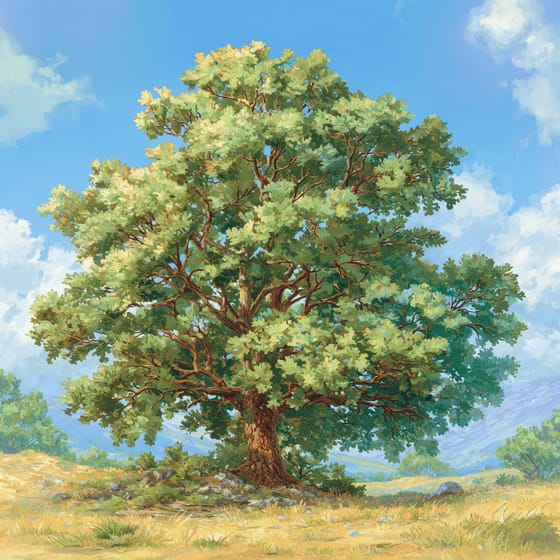
Quercus alba
Adults and larvae consume its decaying wood for food and shelter.
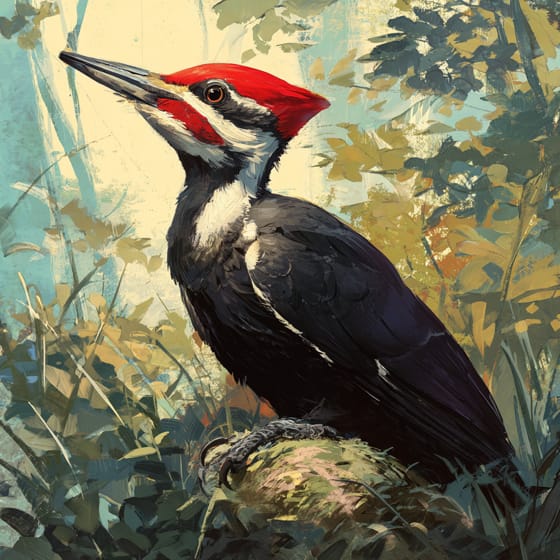
Dryocopus pileatus
Woodpeckers dig into logs to find and eat these nutritious beetles.
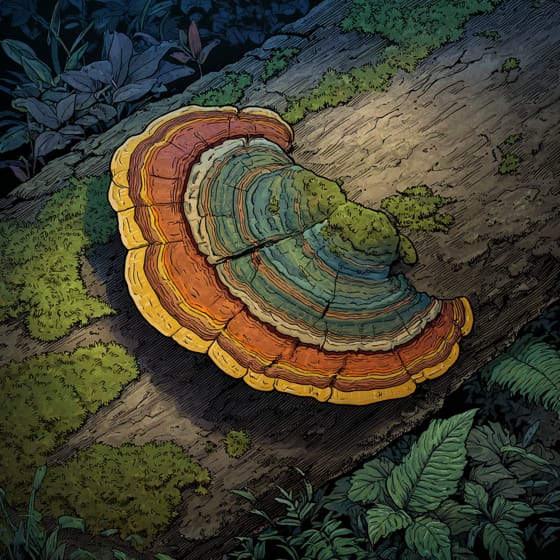
Trametes versicolor
They consume fungi that help decompose the wood they live in.
Social animals live in organized groups, cooperating for survival benefits such as foraging, defense, and raising offspring.
Characterized by having one or more hard, permanent, pointed projections on the head.
Scavengers consume dead organic matter, helping to decompose carcasses and other waste in the ecosystem.
This trait characterizes organisms whose diet consists entirely or primarily of plant material.

Describes organisms that break down dead organic material, recycling nutrients back into the ecosystem.

Forest habitats are terrestrial environments dominated by dense tree cover, supporting a high diversity of plant and animal life.

Diurnal animals are primarily active during daylight hours, typically resting or sleeping at night.

Pertaining to organisms that emit light through bioluminescence or fluorescence.
No aliases listed yet.
Danger
1/5 · Very low
These beetles are safe to observe, but it's best to leave them in their home.
The easiest way to identify Horned Passalid is to use the Snappit nature identifier app.
60-80 mm
30-40 mm
365-1095 days
Horned Passalids are nature's recyclers, munching on decaying wood.
Forests
Foraging
6
Zoom in to split clusters and explore where this object has been snapped.
Jun 18, 2026
Brookfield ParkPhoto attribution
(c) wren-falcon, some rights reserved (CC BY)
License: CC BY 4.0 ↗
Image may be shown cropped inside the card frame.
May 11, 2023
Pomme de Terre Wildlife Management AreaPhoto attribution
(c) Jacob Saucier, some rights reserved (CC BY)
License: CC BY 4.0 ↗
Image may be shown cropped inside the card frame.

New Jersey, US
You might spot Garlic Mustard, Sensitive Fern, and Common Mugwort.
View guide →

Virginia, US
You might spot Eastern Box Turtle and White-Tailed Deer.
View guide →

Georgia, US
You might spot Gulf Fritillary, Anole, and American Beautyberry.
View guide →

Virginia, US
You might spot Pharaoh Cicada, Lesser Celandine, and Eastern Box Turtle.
View guide →
.jpg)
Virginia, US
You might spot Great Blue Heron and Canada Goose.
View guide →

Maryland, US
You might spot American Cancer-Root and Rue Anemone.
View guide →
Take the discovery with you
Snap it with Snappit to identify it, learn what makes it special, and add the discovery to your collection.







.jpg&width=800)



