





small black longhorn beetle
Stenurella nigra
The small black longhorn beetle is a tiny bug with long antennae that look like little feelers. They are often found on flowers and plants, where they help with pollination.
Habitat: Forests
The small black longhorn beetle is entirely matte black, giving it a sleek appearance. It has a slender body and very long, thread-like antennae that can be longer than its body, making it distinct from many other small black beetles.
Category
InsectsRarity
Common
Danger
1/5 · Very low
Snaps
Be the first to snap!
Some longhorn beetles can make a high-pitched squeak to scare off predators!
The antennae of these beetles can bend and twist in many directions to explore.
Their larvae spend years hidden deep inside wood before transforming into adults!
These beetles can sense even tiny vibrations through their legs to detect movement.
Small black longhorn beetle has ultra-long antennae that help them smell food, find mates, and detect dangers in their environment.
Small black longhorn beetle can visit flowers to drink nectar, providing them with energy and helping to pollinate plants.
Small black longhorn beetle can use its transparent hind wings for rapid flight, allowing it to escape predators and find new habitats.
Adults sip nectar and pollen from flowers, while their larvae munch on dead wood.
Age differences: Larvae eat dead wood, while adults feed on flower nectar and pollen.
Daucus carota
Visits flowers for nectar, aiding plant reproduction.
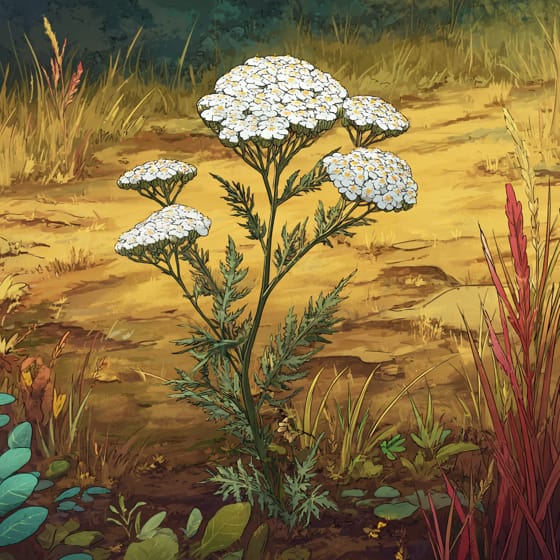
Achillea millefolium
Feeds on pollen and nectar from its flowers.
%2C_Parc_de_Woluw%C3%A9%2C_Brussels_(13042792905).jpg&width=800)
Parus major
Provides a food source for insectivorous birds.
Solitary animals live alone for most of their lives, only interacting with others for mating or parental care.
This trait characterizes organisms whose diet consists entirely or primarily of plant material.
Describes plants that are particularly attractive and beneficial to a wide range of pollinating organisms.
Describes organisms that break down dead organic material, recycling nutrients back into the ecosystem.

Forest habitats are terrestrial environments dominated by dense tree cover, supporting a high diversity of plant and animal life.

Diurnal animals are primarily active during daylight hours, typically resting or sleeping at night.

Pertaining to species that are significantly smaller than typical or average for their kind.

Describes organisms that transfer pollen, enabling the fertilization and reproduction of plants.
No aliases listed yet.
Danger
1/5 · Very low
These beetles are safe to observe, but it's best to look without touching.
The easiest way to identify small black longhorn beetle is to use the Snappit nature identifier app.
12-20 mm
6-10 mm
30-60 days
8 km/h
Adults sip nectar and pollen from flowers, while their larvae munch on dead wood.
Forests
Foraging
Zoom in to split clusters and explore where this object has been snapped.
Recent snaps will appear here as new observations are added.
Take the discovery with you
Snap it with Snappit to identify it, learn what makes it special, and add the discovery to your collection.







.jpg&width=800)



