





Small Blue
Cupido minimus
The Small Blue is a tiny butterfly with beautiful blue wings. It loves to flutter around flowers and is often seen in sunny places during spring and summer.
Habitat: Grasslands
The Small Blue is the UK's smallest butterfly, with a wingspan of only 16-27mm. Its upperwings are often plain dusky brown with a subtle blue sheen, especially in males. The underside is distinctive light grey, dotted with small black spots, lacking any orange markings.
Category
InsectsRarity
Common
Danger
1/5 · Very low
Snaps
Be the first to snap!
Adult Small Blues barely eat, living off food stored as caterpillars.
It's the smallest butterfly species found in the United Kingdom!
Males and females of this tiny butterfly look almost identical.
They only fly for a few short weeks each year.
Small Blue larvae secrete sweet honeydew that attracts ants, which then protect them from predators.
Small Blue caterpillars are tiny, slug-shaped, and camouflaged, helping them blend perfectly with their host plant.
Small Blue butterflies lay eggs only on Kidney Vetch, ensuring caterpillars have the perfect food source.
As caterpillars, they munch on flowers and seeds; adults sip nectar for quick energy!
Age differences: Larvae eat flowers and seeds of specific host plants. Adults primarily sip nectar from various flowers.
Anthyllis vulneraria
Larvae feed exclusively on its flowers and seeds
Lasius niger
Ants protect larvae in exchange for honeydew
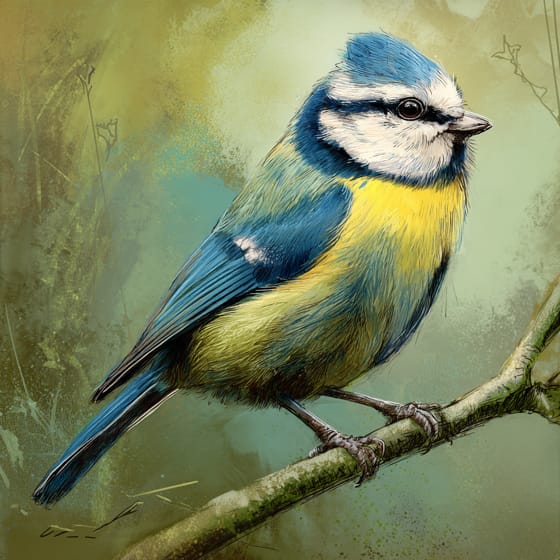
Cyanistes caeruleus
Common bird that preys on butterflies
Thymus serpyllum
Adults visit small flowers for nectar, aiding pollination
Social animals live in organized groups, cooperating for survival benefits such as foraging, defense, and raising offspring.
Colorful describes organisms or objects displaying a wide range of bright and distinct colors.
Grassland habitats are terrestrial biomes dominated by grasses and herbaceous plants, supporting a variety of grazing animals.
This trait characterizes organisms whose diet consists entirely or primarily of plant material.

Describes plants that are particularly attractive and beneficial to a wide range of pollinating organisms.

Diurnal animals are primarily active during daylight hours, typically resting or sleeping at night.

Pertaining to species that are significantly smaller than typical or average for their kind.

Describes organisms that transfer pollen, enabling the fertilization and reproduction of plants.
No aliases listed yet.
Danger
1/5 · Very low
Always watch butterflies from a distance and don't try to catch them.
The easiest way to identify Small Blue is to use the Snappit nature identifier app.
16-27 mm
8-10 mm
5-10 days
As caterpillars, they munch on flowers and seeds; adults sip nectar for quick energy!
Grasslands
6
Zoom in to split clusters and explore where this object has been snapped.
Recent snaps will appear here as new observations are added.
Take the discovery with you
Snap it with Snappit to identify it, learn what makes it special, and add the discovery to your collection.






.jpg&width=800)



