





Small Ermine Moths
Yponomeuta
Small Ermine Moths are tiny, fluffy insects that look like little white clouds fluttering around. They love to fly in gardens and fields, making them a fun sight to see!
Habitat: Gardens
The Small Ermine Moths have slender white bodies and pure white forewings. Their wings are adorned with distinctive small black dots arranged in neat rows. This pattern makes them look elegant and can help them blend in with light-colored surroundings.
Category
InsectsRarity
Common
Danger
1/5 · Very low
Snaps
Be the first to snap!
Adult Small Ermine Moths have no mouthparts and don't eat!
Hundreds of tiny caterpillars can live together inside one big web.
Some caterpillars build massive silky "castles" to live in!
They sometimes completely cover trees with their stunning, delicate white webs!
Small Ermine Moths larvae can weave huge communal silk tents that protect hundreds of caterpillars from predators and weather.
Small Ermine Moths larvae has the ability to strip entire trees of leaves because they feed together in large groups.
Small Ermine Moths larvae can store plant toxins in their bodies that helps them taste bad to hungry predators.
Larvae munch on tree leaves to grow, while adults mostly don't eat, focusing on reproduction.
Age differences: Larvae are voracious leaf-eaters; adults are short-lived and typically do not feed or only sip nectar.
%2C_Parc_de_Woluw%C3%A9%2C_Brussels_(13042792905).jpg&width=800)
Parus major
Birds feed on larvae and adult moths.
Myotis myotis
Bats are nocturnal predators of adult moths.
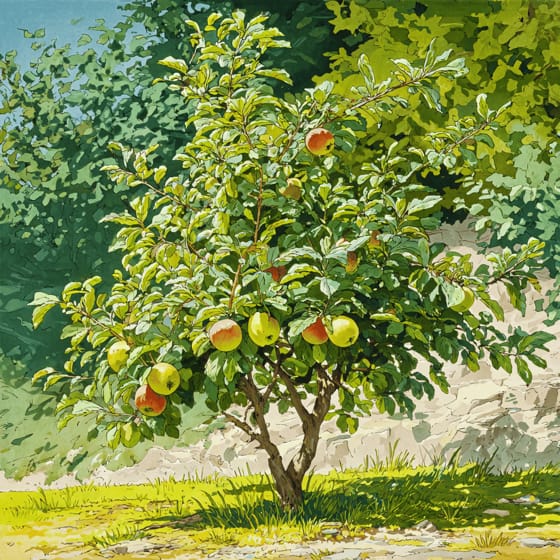
Malus domestica
Caterpillars feed on the leaves of apple trees.
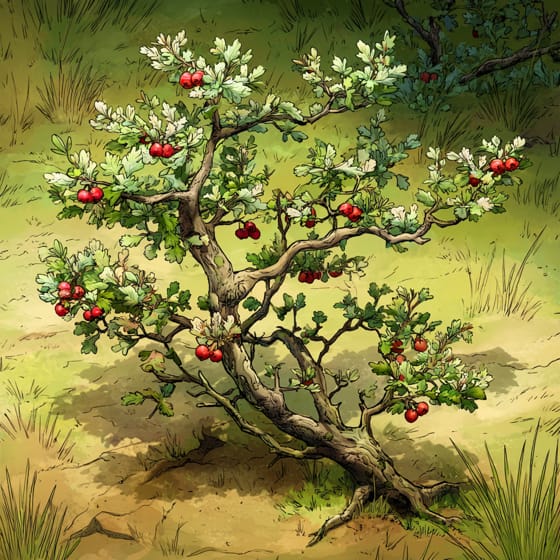
Crataegus monogyna
Larvae devour the foliage of hawthorn plants.
Diadegma armillata
Wasps lay eggs inside the caterpillars.
Furry describes animals possessing a dense covering of soft hair or fur.
Social animals live in organized groups, cooperating for survival benefits such as foraging, defense, and raising offspring.
This trait characterizes organisms whose diet consists entirely or primarily of plant material.
Describes plants that are particularly attractive and beneficial to a wide range of pollinating organisms.

Diurnal animals are primarily active during daylight hours, typically resting or sleeping at night.

Pertaining to species that are significantly smaller than typical or average for their kind.

This habitat trait indicates species that can coexist with humans in urban and suburban environments, utilizing man-made structures and green spaces.

Describes organisms that transfer pollen, enabling the fertilization and reproduction of plants.
No aliases listed yet.
Danger
1/5 · Very low
These moths are safe to watch, but remember not to touch them.
The easiest way to identify Small Ermine Moths is to use the Snappit nature identifier app.
16-25 mm
8-12 mm
10-20 days
Larvae munch on tree leaves to grow, while adults mostly don't eat, focusing on reproduction.
Gardens
Foraging
6
Zoom in to split clusters and explore where this object has been snapped.
Recent snaps will appear here as new observations are added.
Take the discovery with you
Snap it with Snappit to identify it, learn what makes it special, and add the discovery to your collection.






.jpg&width=800)




